

Author: Mr. Reza Ravanshad
Pistachio Exporter & Supplier
WhatsApp for Orders and Inquiries: +98 921 477 3705
Website: www.pistaluxe.com
Introduction
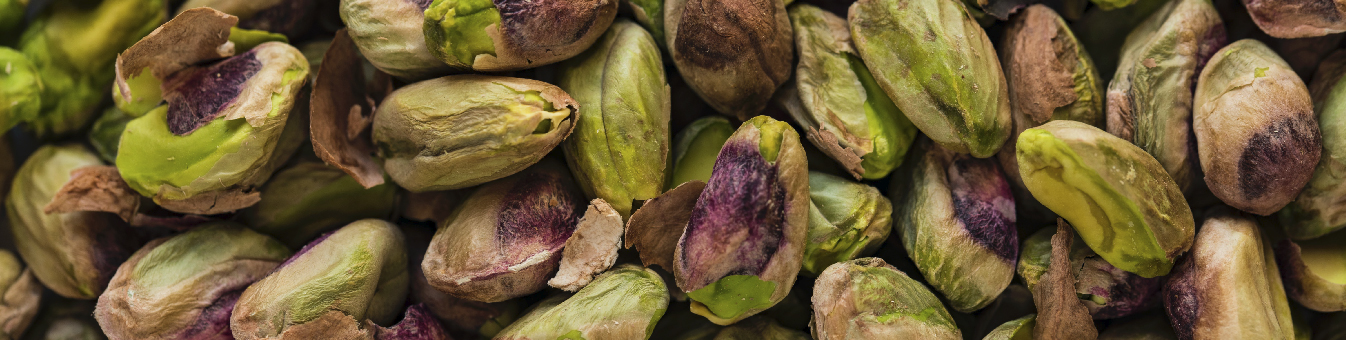
Pistachios are among the world’s most valuable tree nuts, recognized for their exceptional nutritional profile, unique flavor, and significant economic importance. As global demand for healthy snacks, plant-based proteins, and functional foods continues to rise, pistachios have emerged as a premium agricultural commodity in international markets.
The pistachio industry contributes billions of dollars annually to the global economy, with major producing countries supplying consumers, food manufacturers, and distributors worldwide. Beyond their commercial value, pistachios are increasingly studied for their health benefits, environmental adaptability, and role in sustainable agriculture.
This article provides a comprehensive scientific, educational, and commercial overview of pistachios, exploring their history, cultivation, nutritional composition, health benefits, processing methods, export opportunities, and future market trends.
The History and Origin of Pistachios
The pistachio tree (Pistacia vera) is one of the oldest cultivated nut trees in human history. Archaeological evidence suggests that pistachios were consumed by humans more than 7,000 years ago.
Native to the Middle East and Central Asia, pistachios were highly valued by ancient civilizations, including the Persians, Greeks, and Romans. Historical records indicate that pistachios were considered a luxury food reserved for royalty and wealthy merchants.
Over centuries, pistachio cultivation spread across Asia, Europe, and eventually the Americas. Today, pistachios are consumed in virtually every region of the world and are widely incorporated into culinary traditions, confectionery products, and health-conscious diets.
Botanical Characteristics of Pistachio Trees
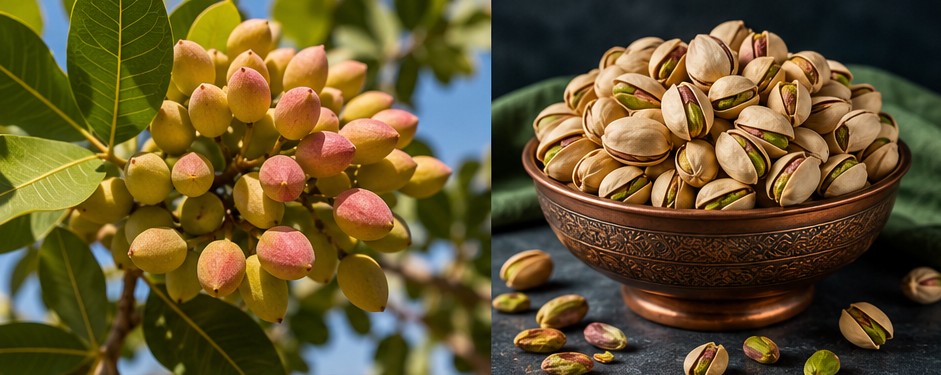
The pistachio tree belongs to the Anacardiaceae family, which also includes mangoes and cashews.
Key Characteristics
- Scientific Name: Pistacia vera
- Lifespan: Up to 300 years
- Height: 5–10 meters
- Drought Resistant
- Adapted to Arid and Semi-Arid Regions
- Deep Root System
- Long Productive Life
Pistachio trees thrive in environments characterized by hot summers and cold winters. This climatic requirement makes certain regions ideal for commercial cultivation.
Major Pistachio Producing Countries
Several countries dominate global pistachio production.
1. Iran
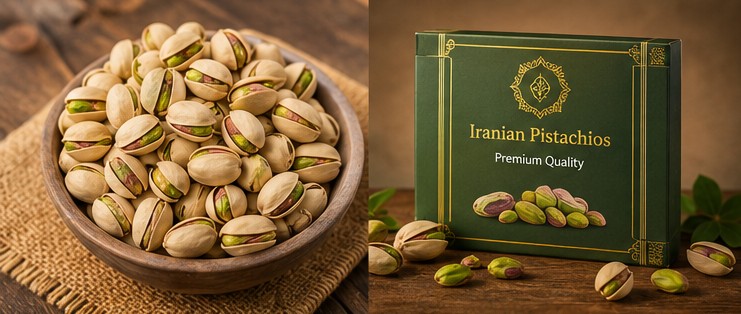
Iran is historically recognized as one of the world’s leading producers of premium pistachios. Iranian pistachios are renowned for:
- Rich flavor
- High kernel quality
- Natural color
- Diverse varieties
- Competitive pricing
Popular Iranian varieties include:
- Akbari Pistachio
- Ahmad Aghaei Pistachio
- Fandoghi Pistachio
- Kaleh Ghouchi Pistachio
2. United States
The United States is another major producer, particularly in California, where advanced agricultural technologies contribute to large-scale production.
3. Turkey
Turkey is famous for producing pistachios used extensively in traditional sweets and confectionery products.
4. Syria
Although production has fluctuated due to economic and political factors, Syria remains known for high-quality pistachio cultivation.
Nutritional Composition of Pistachios
Pistachios are often described as a nutritional powerhouse.
Macronutrients per 100 grams
- Calories: Approximately 560 kcal
- Protein: 20 grams
- Fat: 45 grams
- Carbohydrates: 28 grams
- Dietary Fiber: 10 grams
Vitamins
Pistachios contain significant amounts of:
- Vitamin B6
- Vitamin E
- Vitamin K
- Thiamine
- Folate
Minerals
Important minerals include:
- Potassium
- Magnesium
- Phosphorus
- Iron
- Zinc
- Copper
- Manganese
The unique nutrient composition of pistachios makes them a highly desirable food for consumers seeking both taste and health benefits.
Scientific Health Benefits of Pistachios
1. Heart Health Support
Numerous scientific studies have demonstrated that regular pistachio consumption may support cardiovascular health.
Pistachios contain:
- Monounsaturated fats
- Polyunsaturated fats
- Plant sterols
- Antioxidants
These compounds may help reduce LDL cholesterol and improve overall lipid profiles.
2. Rich Source of Antioxidants
Pistachios are rich in:
- Lutein
- Zeaxanthin
- Polyphenols
- Tocopherols
Antioxidants help combat oxidative stress and protect cells from free radical damage.
3. Blood Sugar Management
Research suggests that pistachios may contribute to better glycemic control due to:
- High fiber content
- Healthy fats
- Low glycemic impact
This makes pistachios an attractive snack option for individuals managing blood sugar levels.
4. Weight Management
Contrary to common misconceptions about nuts, pistachios may assist in weight management.
Reasons include:
- High satiety value
- Protein content
- Dietary fiber
- Reduced calorie absorption
Several studies have linked nut consumption with healthier body weight outcomes.
5. Eye Health Benefits
Pistachios contain lutein and zeaxanthin, carotenoids known to support retinal health and protect against age-related vision problems.
6. Gut Health Improvement
The fiber found in pistachios acts as a prebiotic, supporting beneficial gut bacteria and promoting digestive health.
Pistachios in Functional Foods and Modern Nutrition
As consumers increasingly prioritize health and wellness, pistachios have become an important ingredient in functional foods.
Examples include:
- Protein bars
- Nut butters
- Dairy alternatives
- Plant-based beverages
- Healthy snack mixes
- Nutritional supplements
Food manufacturers value pistachios because they combine taste, nutrition, and visual appeal.
Pistachio Processing and Quality Standards
To meet international export requirements, pistachios undergo several processing stages.
Harvesting
Harvesting occurs when hulls naturally split and indicate maturity.
Hulling
The outer hull is removed shortly after harvest to preserve quality.
Drying
Proper drying reduces moisture and prevents microbial growth.
Sorting
Modern sorting systems classify pistachios based on:
- Size
- Color
- Shell opening
- Defects
Packaging
Export-grade pistachios are packed under strict quality control standards to maintain freshness and shelf life.
Global Pistachio Market Trends
The global pistachio market has experienced substantial growth in recent years.
Key drivers include:
Health-Conscious Consumers
Growing awareness of healthy eating has increased demand for nutrient-rich snacks.
Plant-Based Diets
Pistachios provide a valuable source of plant protein for vegetarian and vegan consumers.
Premium Food Products
Luxury confectionery and gourmet food sectors continue to expand their use of pistachios.
Emerging Markets
Countries in Asia, Latin America, and Africa are showing increasing demand for imported pistachios.
Pistachio Export Opportunities
Pistachios remain one of the most profitable agricultural export products worldwide.
Major Importing Regions
Europe
European consumers value:
- Food safety
- Organic certification
- Premium quality
Middle East
Pistachios are deeply integrated into regional cuisine and confectionery industries.
Asia
Rapid economic growth has fueled increasing consumption of premium nuts.
Latin America
Countries such as Mexico are becoming important destinations for pistachio imports.
Why Iranian Pistachios Are Highly Competitive
Iranian pistachios possess several advantages in international markets.
Superior Flavor
Many buyers consider Iranian pistachios among the most flavorful varieties globally.
Variety Selection
Multiple commercial cultivars allow exporters to meet diverse market requirements.
Attractive Appearance
Natural shell opening and vibrant kernel color enhance consumer appeal.
Competitive Pricing
Efficient production systems allow Iranian suppliers to remain competitive internationally.
Sustainability and Environmental Considerations
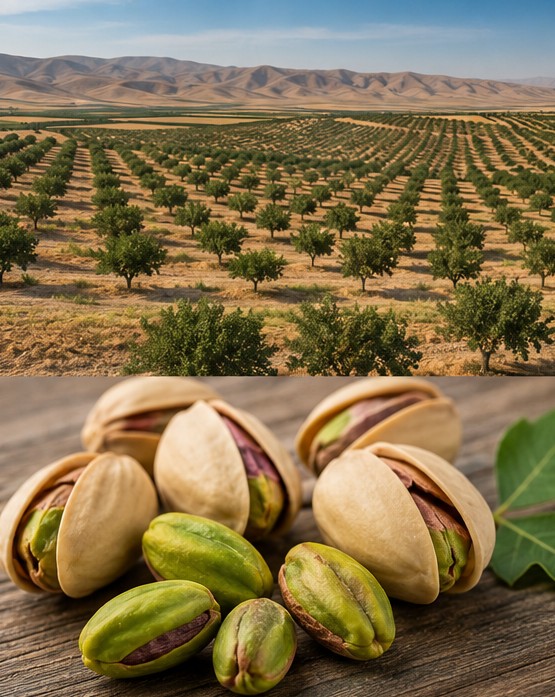
Pistachio trees are naturally adapted to dry climates.
Compared with many agricultural crops, pistachios offer:
- High drought tolerance
- Long productive lifespan
- Efficient land utilization
- Adaptability to arid regions
As climate challenges increase worldwide, pistachio cultivation may play a growing role in sustainable agriculture.
Future of the Global Pistachio Industry
Industry analysts project continued growth in global pistachio consumption over the coming decade.
Emerging trends include:
- Organic pistachios
- Sustainable production
- Traceability systems
- Premium packaging
- Value-added pistachio products
- Online international trade
Exporters capable of meeting international quality standards and building trusted buyer relationships will be well-positioned for future success.
Conclusion
Pistachios represent far more than a nutritious snack. They are a scientifically recognized functional food, a valuable agricultural commodity, and a key player in global food trade. Rich in protein, healthy fats, antioxidants, vitamins, and minerals, pistachios provide numerous health benefits while supporting sustainable agricultural systems.
The increasing global demand for premium-quality pistachios creates significant opportunities for exporters, distributors, wholesalers, and food manufacturers. As consumer interest in healthy and natural foods continues to grow, pistachios are expected to remain one of the world’s most sought-after nuts.
For importers seeking reliable suppliers, premium quality, competitive pricing, and professional export services, Iranian pistachios continue to offer exceptional value and market potential.
Contact for Pistachio Orders and International Trade Inquiries
Mr. Reza Ravanshad
Pistachio Exporter & Supplier
WhatsApp: +98 921 477 3705
Website: www.pistaluxe.com
For bulk purchases, wholesale orders, private labeling, and international export cooperation, please contact us directly via WhatsApp.