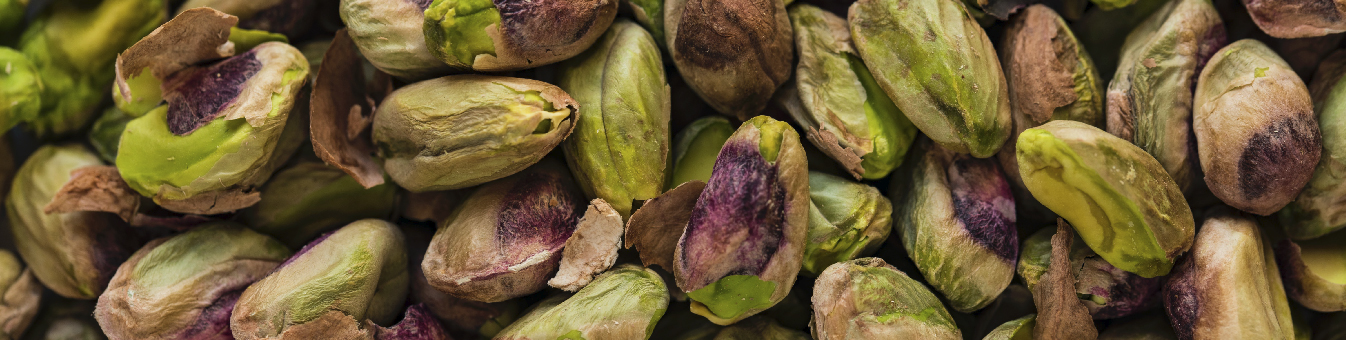

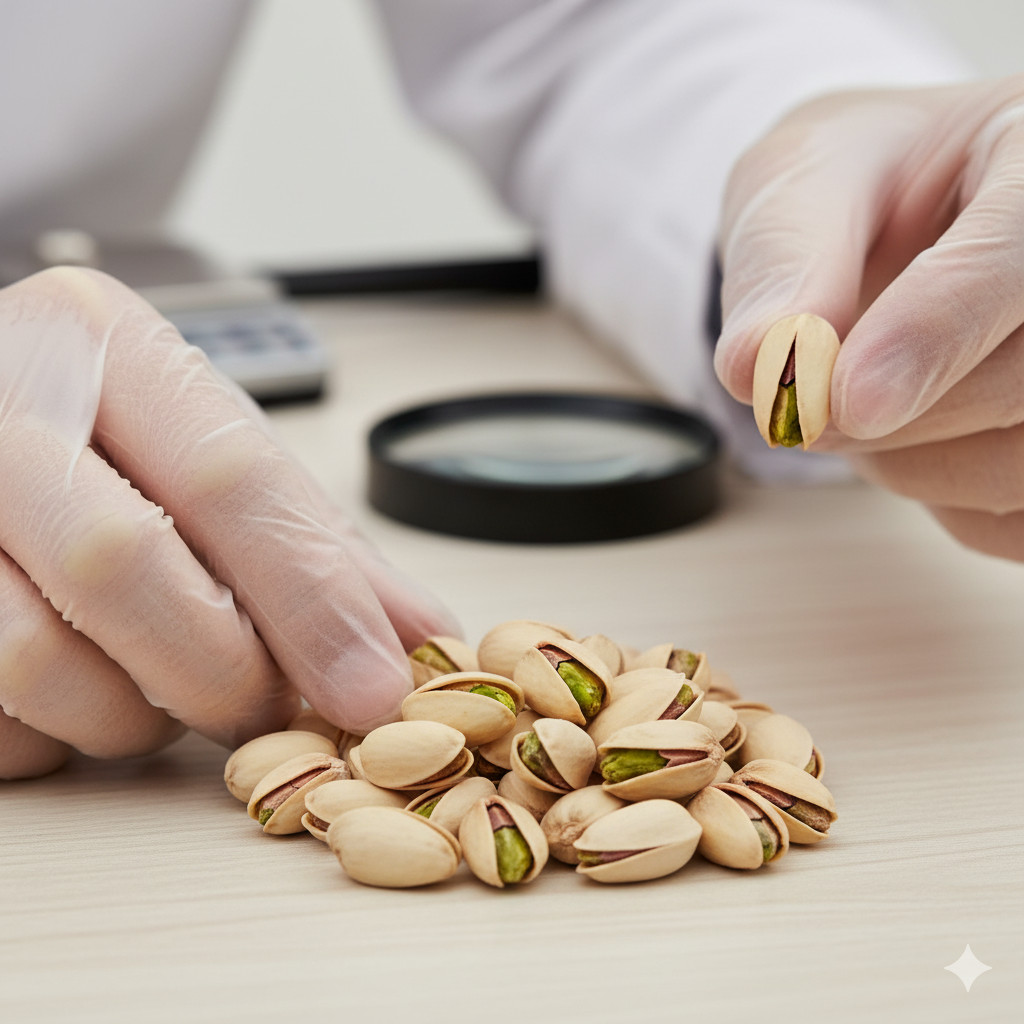
Iranian pistachios, often called “Iran’s green gold,” are among the finest agricultural products in the world. Their unparalleled flavor, large size, high natural fat content, and exceptional health benefits set them apart from competitors like American, Turkish, or Greek varieties. Iran has long been one of the top producers globally, and in 2025, with an estimated production of around 225,000 tons, it remains a powerhouse in the industry. Yet, despite these competitive advantages, why has Iran’s share of the global market gradually declined while the United States, with lower production, earns higher export revenues? The answer lies in one critical issue: severe weakness in global branding and marketing.
While American brands like “Wonderful Pistachios” invest millions in Super Bowl ads, influencer campaigns, and eye-catching packaging—positioning pistachios as a fun, healthy everyday snack—Iranian pistachios are frequently exported in bulk without any recognizable name or identity. Much of Iran’s pistachio output is rebranded and repackaged in foreign markets under Turkish, Emirati, or even American labels, sold at premium prices while Iran captures only a fraction of the value added. This over-reliance on traditional markets like China, India, and the Gulf states, combined with the loss of European markets due to aflatoxin concerns and sanctions, has created significant vulnerability. The lack of strong presence on global digital platforms, international trade shows, and social media has also cost Iran access to emerging high-potential markets such as South Africa, Brazil, or Indonesia.
This branding deficiency not only hurts large exporters but also puts tremendous pressure on small-scale farmers in regions like Kerman, Rafsanjan, and Damghan. Without a strong brand, prices fluctuate wildly, and most profits end up in the hands of middlemen.
Practical and Implementable Solutions to Strengthen Iranian Pistachio Branding:
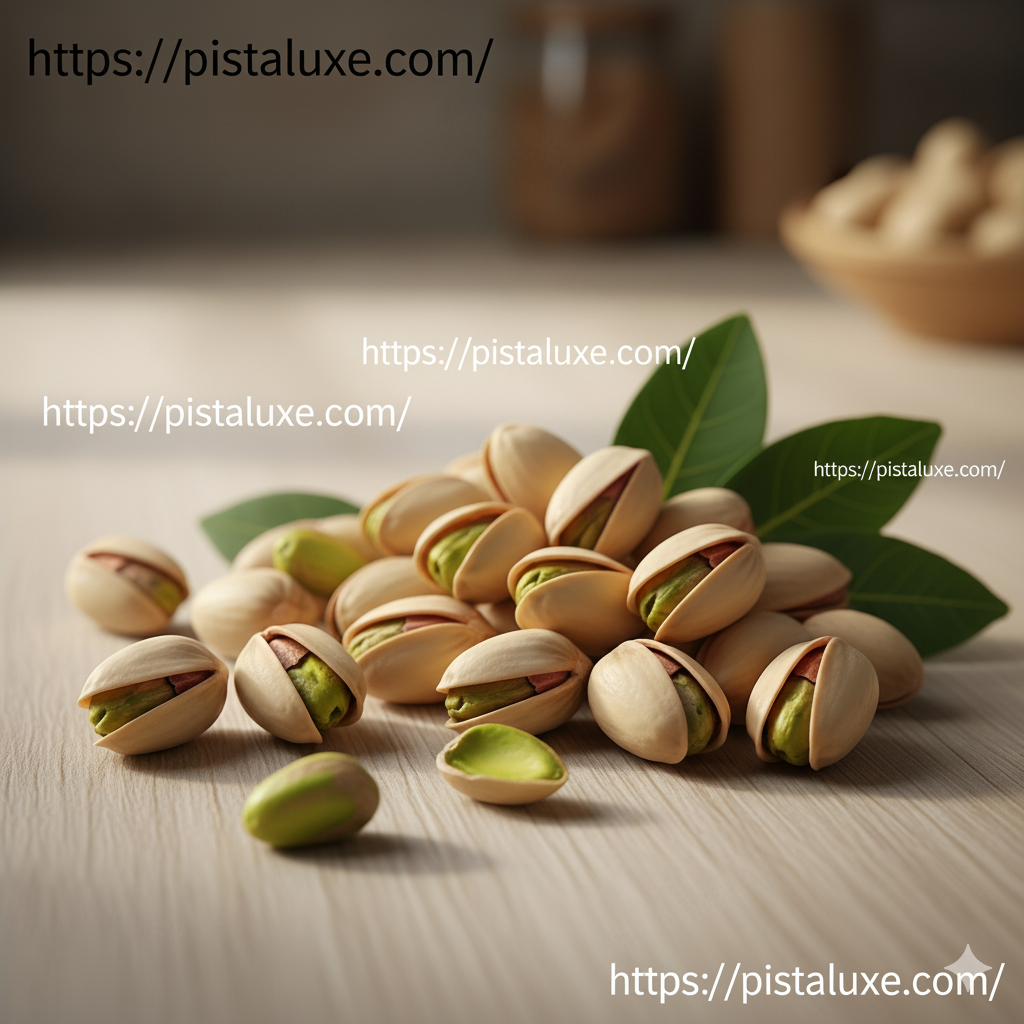
- Creating a Powerful National Brand: The Iran Pistachio Association, in collaboration with the Ministry of Agriculture and the Trade Promotion Organization, could register and launch a global national brand such as “Persian Pistachio” or “Iranian Gold Pistachio.” This should be backed by Geographical Indication (GI) certification to guarantee authenticity from specific regions like Akbari from Kerman or Ahmad Aghaei from Rafsanjan.
- Investing in Digital Marketing: Develop multilingual websites and online stores on platforms like Amazon, Etsy, and Alibaba. Produce professional content—short videos of orchards, farmer stories, and pistachio recipes—for Instagram, YouTube, and TikTok. Partnering with food and health influencers in target countries can create massive reach.
- Active Participation in Global Exhibitions: Consistent and coordinated presence at major events like Gulfood in Dubai, Anuga in Germany, SIAL in Paris, and Fancy Food Show in the USA, with shared attractive booths showcasing the premium quality of Iranian pistachios.
- Forming Export Consortia and Large Cooperatives: Exporters and producers should unite to pool resources for joint global advertising campaigns, such as “Discover the Real Taste of Persia.”
- Focusing on Value-Added Products: Shift from bulk exports to premium offerings like organic pistachios, flavored varieties (saffron, lemon), luxury gift packaging, and by-products such as pistachio oil or powder to increase profit margins.
- Internal Education and Culture Building: Offer branding workshops for young exporters and encourage universities to conduct research on agricultural marketing.
By implementing these solutions in the medium term, Iran’s export share can rise significantly, farmers’ incomes will stabilize, and Iranian pistachios will reclaim their rightful place as a premium global luxury brand.
For purchasing high-quality Iranian pistachios and placing direct orders, contact Mr. Ravanshad: WhatsApp phone number 00989214773705