

For an international buyer, the quality of the product inside the container is only half the battle. The other half is the integrity of the journey. A premium, aflatoxin-free batch of pistachios can be ruined by a single week of improper temperature control or a delay at a congested port.
In this section, we deconstruct the critical logistics components that separate professional exporters from amateur traders.
1. The Criticality of the Cold Chain (Temperature & Humidity Control)
Pistachios are biologically active. Even after drying, they contain residual moisture and oils that are highly sensitive to environmental fluctuations.
- The “Sweat” Risk: When a container moves from a warm climate (like Iran) to a cold climate (like the North Sea ports of Rotterdam or Hamburg), the temperature differential can cause condensation inside the container. This moisture “sweats” onto the sacks, creating localized humidity zones that trigger mold growth and, ultimately, aflatoxin spikes.
- Reefer Containers vs. Dry Containers: While high-quality dry containers with moisture-absorbing liners (desiccants) are common, for ultra-premium or long-distance sea freight, Reefer (Refrigerated) Containers are the gold standard. They allow for precise control of both temperature and airflow, ensuring the kernel remains in a state of “dormancy.”
- Humidity Management: Maintaining a Relative Humidity (RH) level typically between 50% and 60% is vital to prevent both spoilage and excessive drying, which can lead to kernel shriveling.
2. Container Loading and Protection Protocols
How a container is loaded is just as important as the temperature setting.
- Dunnage and Airflow: Sacks must be loaded in a way that allows for air circulation. Over-packing or blocking the airflow vents of a reefer container is a critical failure.
- Desiccant Strategy: The use of high-capacity industrial desiccants (like calcium chloride bags) is mandatory to mitigate the risk of “container rain.”
- Pallet Integrity: Using heat-treated (ISPM 15 compliant) pallets is not just a legal requirement for entering Europe; it also prevents biological contamination from untreated wood.
3. Navigating the Port Gateways: Rotterdam, Hamburg, and Beyond
The transit from the Persian Gulf to a European distribution center is a high-stakes period.
- Demurrage and Detention Risks: Delays at the port—due to customs inspections, documentation errors, or port congestion—can lead to massive demurrage fees. A professional exporter (like Qomes Tejarat Asia) ensures that all phytosanitary certificates, Certificates of Origin, and Bills of Lading are pre-cleared and digitally synchronized to minimize “dwell time” at the terminal.
- Customs Compliance (EU Border Control): European customs are rigorous regarding food safety documentation. Any discrepancy between the weight stated on the Certificate of Analysis (CoA) and the physical weight at the port can trigger an intensive inspection, delaying your entire shipment.
4. Digital Visibility: Real-Time Tracking
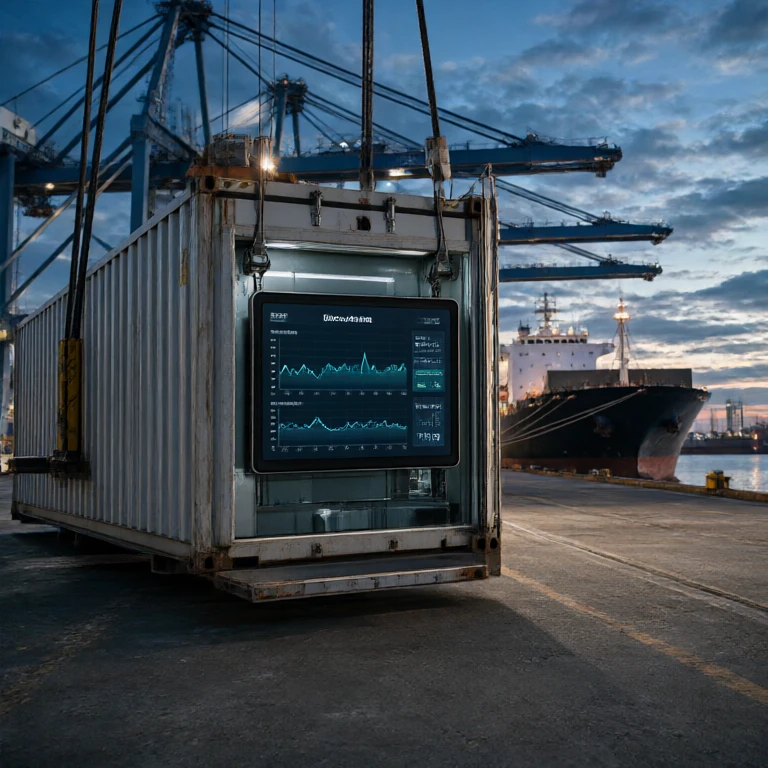
In modern B2B trade, “Where is my shipment?” is no longer an acceptable question. Premium suppliers now utilize IoT (Internet of Things) sensors within containers that provide real-time data on:
- GPS Location.
- Internal Temperature.
- Humidity Levels.
- Light exposure (to detect unauthorized container opening).
This level of transparency allows the buyer to manage their inventory and downstream commitments with absolute certainty.
Conclusion to Part IV
Logistics is not merely “moving goods”; it is the preservation of value. By mastering the cold chain and navigating the complexities of European port entry, an exporter ensures that the quality promised in the laboratory is the same quality delivered to the customer’s warehouse.
📞 Connect with Us Directly…
Direct WhatsApp/Call: +98 921 477 3705 | Professional Email: info@pistaluxe.com | Official Website: pistaluxe.com