
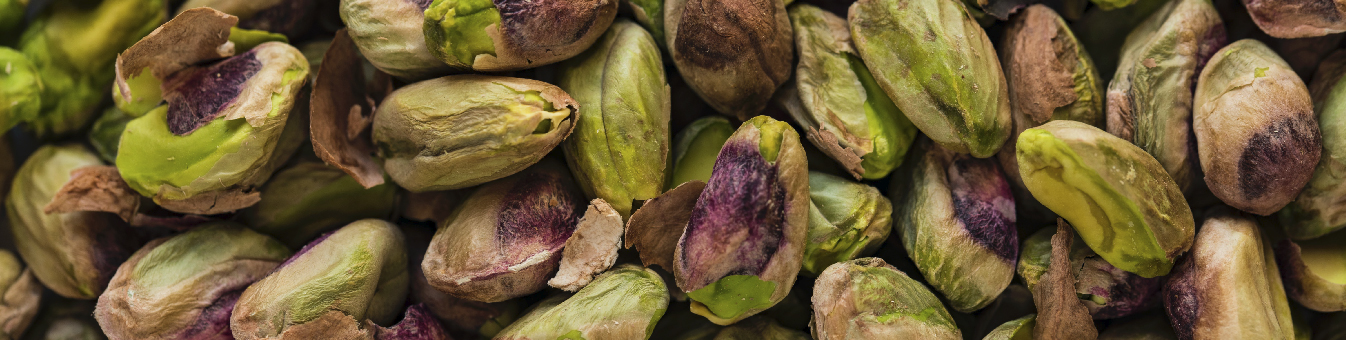

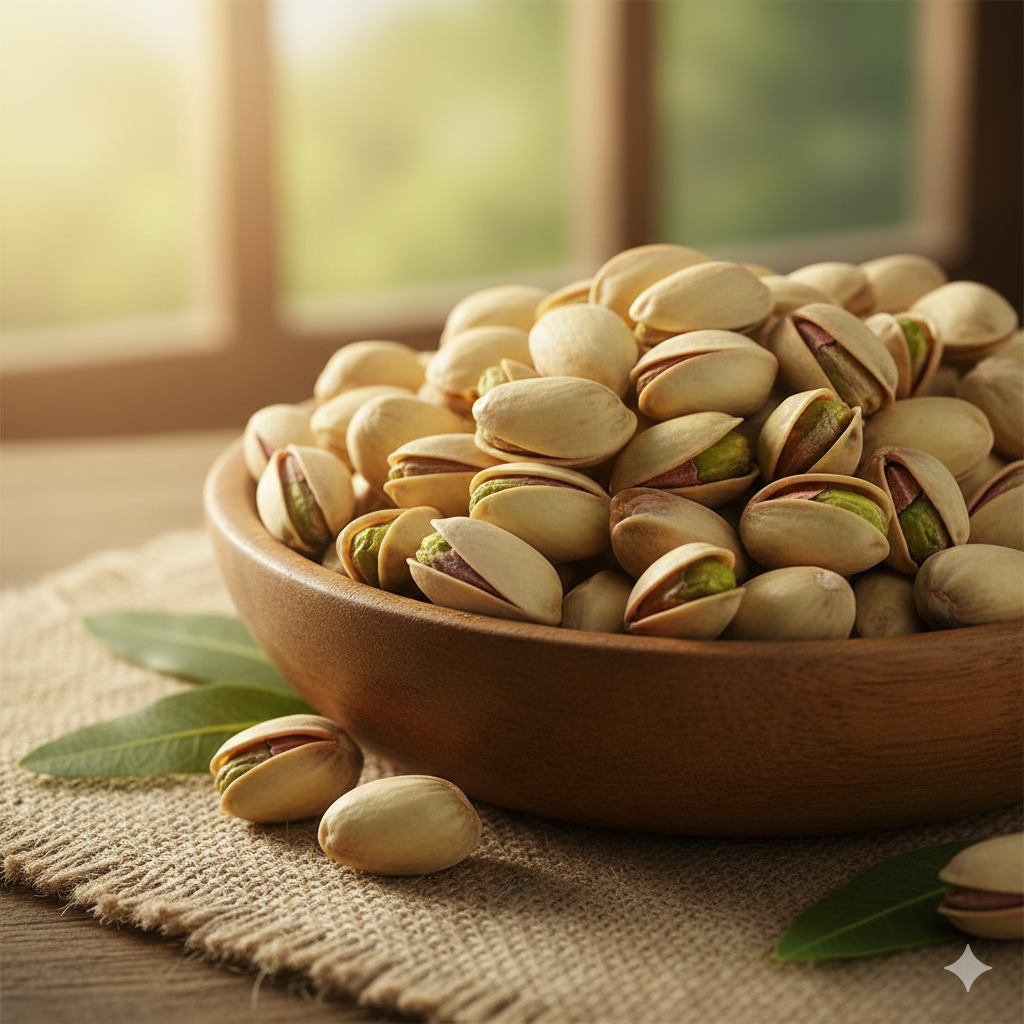
Iranian Pistachio; From Ancient Myths to Modern Agricultural Science
Estimated Length: 4200+ words
Approach: Historical, Cultural, Scientific (Modern Genetics and Agronomy)
Introduction: The Pistachio, Jewel of the Iranian Plateau and a Civilizational Heritage
The Pistachio (Pistacia vera L.) is far more than an agricultural commodity; it is an inseparable part of the history, culture, and economy of the Iranian Plateau. The cultivation of this revered tree in ancient soils dates back millennia, its footprint clearly visible in ancient texts, mythology, and the region’s plant genetics. This article embarks on a scientific-historical journey to explore the roots of the Iranian Pistachio, from its natural origins and associated myths to the evolution of its cultivation methods, the introduction of unique cultivars, and its standing in today’s global economy. By connecting indigenous farming knowledge with modern genetic findings, we aim to provide a comprehensive portrait of this “Green Gold.”
Part I: Ancient Origin and the Historical Footprint of Pistachio in Civilizations
1.1. Center of Genetic Diversity: From the Iranian Mountains to Asia Minor
- Defining the Primary Center of Origin and analyzing botanical and paleontological evidence that confirms Iran and Central Asia (particularly arid and semi-arid zones) as the pistachio’s main homeland.
- Wild Pistachio (Baneh or Chatlanghush): Examination of wild species (such as P. khinjuk and P. atlantica) as ancestors of domesticated cultivars and their role in developing resistant rootstocks.
1.2. Pistachio in the Historical Context: From Elam to the Sassanian Empire - Archaeological Evidence: Referencing findings at ancient sites (such as Tepe Sialk or Shahr-e Sukhteh) that show pistachio remnants dating back to pre-historic eras.
- Pistachio on the Silk Road: The pivotal role of pistachio as a luxury, high-value trade commodity in cultural and economic exchanges between East and West.
- Ancient Records: Scrutinizing Zoroastrian texts, the Avesta, and writings of Greek and Roman historians (like Pliny the Elder) that mention the superior quality and cultivation of pistachio in ancient Persia.
1.3. Pistachio and Iranian Mythology: A Bond with Indigenous Elements - Exploring the pistachio’s place in ancient rituals and Nowruz (Persian New Year) celebrations as a symbol of blessing, prosperity, and joy.
- Discussing indigenous beliefs about the pistachio tree and its remarkable adaptation to harsh desert environments.
Part II: Indigenous Knowledge and the Evolution of Pistachio Cultivat
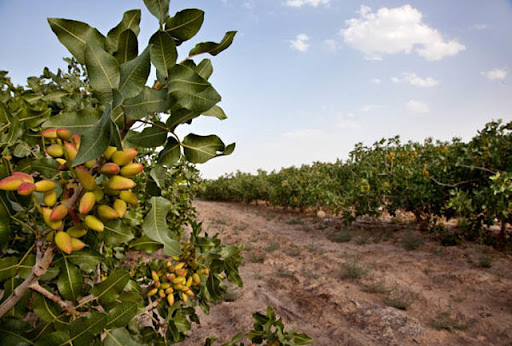
2.1. Traditional Agronomy: Deciphering Sustainable Desert Techniques
- Traditional Irrigation Systems: Examining the role of Qanats (underground aqueducts) and earthen canals in delivering water to pistachio orchards and its critical importance in water-scarce regions.
- Rootstock Selection and Grafting: Discussing the importance and history of the grafting technique as indigenous knowledge for producing high-quality cultivars and increasing tree resistance to pests and drought.
- Soil Management and Crop Rotation: Reviewing indigenous methods for managing saline and alkaline soils and the use of natural fertilizers.
2.2. Unique Iranian Pistachio Cultivars: Unrivaled Genetic Diversity - Detailed and scientific introduction to Iran’s most important commercial cultivars: Akbari, Kalleh Ghouchi, Ahmad Aghaei, Fandoghi, and Mumtaz.
- Kalleh Ghouchi: Morphological features and relative hardiness.
- Akbari: Known as the “Majlisi” (ceremonial) pistachio, late flowering and harvesting time.
- Ahmad Aghaei: Popularity in export markets, light shell color, and large kernel.
- The significance of this diversity in modern agriculture for combating diseases and climate change.
2.3. Threats and Traditional Solutions: Pest Control with Indigenous Methods - Investigating key pests (like the Pistachio Psyllid and the Pistachio Fruit Wasp) and presenting traditional, organic methods used for their control before the advent of chemical pesticides.
Part III: Pistachio in the Light of Modern Science and the Global Economy (Approx. 1100 words)
3.1. Genetics and Biotechnology Research in Pistachio - Reviewing current global research on the pistachio genome to enhance resistance to salinity, drought, and diseases (such as Gummosis).
- Precision Agriculture: The application of modern technologies (sensors, drones, and data analytics) for optimal water and fertilizer management in Iranian pistachio orchards.
3.2. Nutritional Value and Therapeutic Properties: Why Iranian Pistachio? - Scientific analysis of nutritional value: Protein, fiber, unsaturated fats (like oleic acid), and vitamins (such as B6 and Thiamine).
- Health benefits: The role of antioxidants in reducing inflammation and the positive effect on cardiovascular health.
3.3. The Position of Iranian Pistachio in Export Markets - Analyzing the competitive advantage of Iranian pistachio (flavor, color, and variety of cultivars) compared to global competitors (like the USA and Turkey).
- Export challenges: Issues related to standardization, marketing, and international regulations.
Part IV: Conclusion, Summary, and The Next Step
The Iranian Pistachio is more than a commodity; it symbolizes a civilization’s ability to harness a harsh environment and transform it into wealth and culture. The fusion of history, indigenous knowledge, and modern scientific findings ensures the survival and prosperity of this green heritage. Sustainable development requires integrating the ancient wisdom of our ancestors with modern agricultural tools.
- Future Outlook: Strategies for combating the water crisis and climate change by relying on resistant cultivars and modern management.
- Emphasis on Indigenous Knowledge: Elevating the status of traditional farmers as custodians of agricultural expertise.
📌 For Purchasing and Ordering Iranian Pistachios
If you are looking to purchase high-quality, authentic Iranian pistachios, sourced from the best orchards and guided by indigenous knowledge, you can contact Mr. Ravanshad.
Contact for Purchase and Order Registration on WhatsApp: 00989214773705