
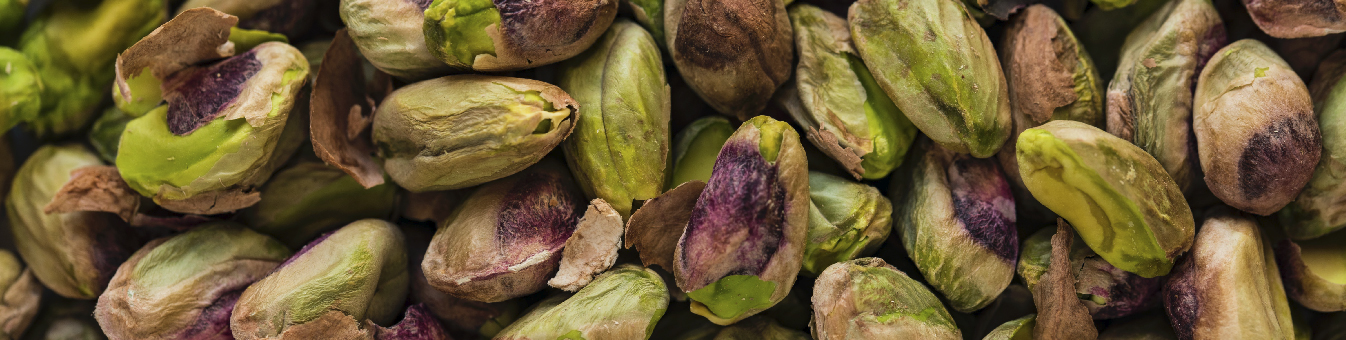

For food manufacturers, confectionery giants, and gourmet snack distributors, the pistachio is more than just a nut; it is a high-value commodity that demands precision in sourcing, quality control, and logistics. Understanding the intricacies of this product is essential for maintaining consistent product quality and optimizing profit margins.
1. Botanical Excellence: Understanding Varieties
Not all pistachios are created equal. The profile of the nut—its color, size, flavor, and oil content—is determined by the specific variety and the terroir in which it is grown.
The Iranian Advantage
Iran is globally renowned for producing some of the most flavorful and visually striking pistachios. Key varieties include:
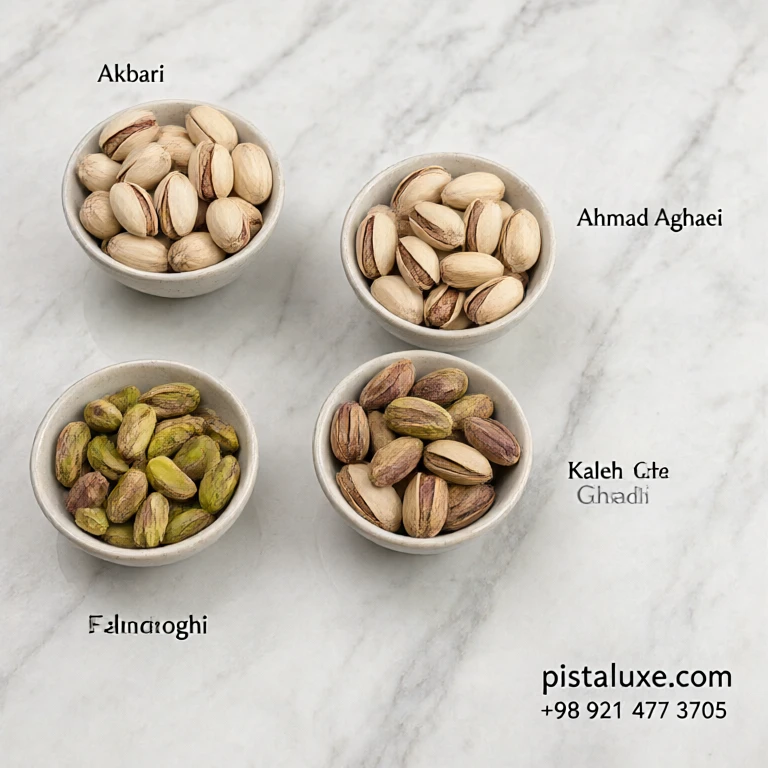
- Akbari (Kalleh): Known for its large size and elongated shape, these are often used in premium snack markets.
- Fandoghi: The “breadfruit” variety, characterized by a more rounded shape and a balanced flavor profile, making it highly versatile for baking and confectionery.
- Ahmad Aghaei: Often preferred for its consistent size and excellent coloring, ideal for high-end retail packaging.
Selection Criteria for Industrial Buyers
When selecting a variety, buyers must consider:
- Kernel Color: A vibrant, consistent green (indicative of high chlorophyll content) is highly sought after in the premium sector.
- Nut Fill Rate: The ratio of the kernel size to the shell. High fill rates minimize waste and maximize value.
- Oil Content: Crucial for flavor intensity and shelf-life stability.
2. Quality Standards and Food Safety
In the modern regulatory environment, “good taste” is insufficient. Safety compliance is the non-negotiable entry requirement for European and North American markets.
The Aflatoxin Challenge
The most critical quality metric in pistachio trading is the control of Aflatoxin—a naturally occurring mold that can produce toxic compounds. Professional exporters must implement:
- Rigorous Drying Protocols: Ensuring moisture levels are immediately reduced after harvest.
- Controlled Storage: Using temperature and humidity-regulated environments to prevent fungal growth.
- Batch Testing: Providing Certificates of Analysis (CoA) that prove every shipment meets international safety thresholds.
Essential Certifications
A professional supplier should ideally hold or work under the following frameworks:
- HACCP (Hazard Analysis Critical Control Point): The gold standard for preventing biological, chemical, and physical hazards.
- ISO 22000: An international standard for food safety management systems.
- BRCGS / IFS: Essential for suppliers looking to enter the major European retail supply chains.
3. The Science of Post-Harvest Handling
The journey from the tree to the consumer is a race against oxidation and moisture.
Drying and Grading
Once harvested, pistachios undergo a drying process. If done too quickly, the kernel may crack; if too slow, spoilage occurs. Following drying, mechanical and manual grading ensures that only nuts meeting specific size and quality parameters move forward to packaging.
Cold Chain Integrity
Pistachios are sensitive to heat and light. For bulk shipments:
- Atmospheric Control: Using modified atmosphere packaging (MAP) or vacuum sealing can significantly extend shelf life.
- Reefer Logistics: For long-distance maritime transit, utilizing refrigerated containers (Reefers) is vital to maintain a stable temperature and prevent “container sweat,” which can lead to mold.
4. Strategic Sourcing and Global Logistics
For a B2B buyer, the goal is to minimize the Total Landed Cost (TLC) while maximizing reliability.
Navigating the Supply Chain
- Direct Sourcing vs. Brokers: While brokers offer ease of access, direct sourcing from established exporters like Qomes Tejarat Asia provides better transparency regarding origin, processing methods, and price stability.
- Logistics Management: Understanding port dynamics (such as Rotterdam, Hamburg, or Jebel Ali) is crucial. Buyers must account for potential demurrage risks, customs clearance timelines, and the reliability of the “last mile” delivery to their warehouses.
Economic Intelligence
The pistachio market is subject to seasonal fluctuations and geopolitical shifts. Successful procurement requires:
- Forward Planning: Monitoring harvest cycles and weather patterns in Iran and California.
- Hedging against Volatility: Understanding how currency shifts (USD/EUR) and energy costs impact shipping rates.
Final Summary for the Professional Buyer
To succeed in the pistachio trade, one must balance the sensory (flavor and color), the scientific (safety and moisture), and the strategic (logistics and economics). A supplier who masters all three is not just a vendor, but a vital partner in your business’s success.
📞 Connect with Us Directly…
Direct WhatsApp/Call: +98 921 477 3705 | Professional Email: info@pistaluxe.com | Official Website: pistaluxe.com