

Pistachios are among Iran’s most popular and profitable nuts, playing a vital role in exports and the livelihoods of farmers. One of the most critical factors in producing high-quality pistachios is harvesting at the right time. Each year, farmers and traders need to know when the optimal harvest period is to ensure a healthy, delicious, and premium-quality product.
Natural Signs to Determine the Harvest Time
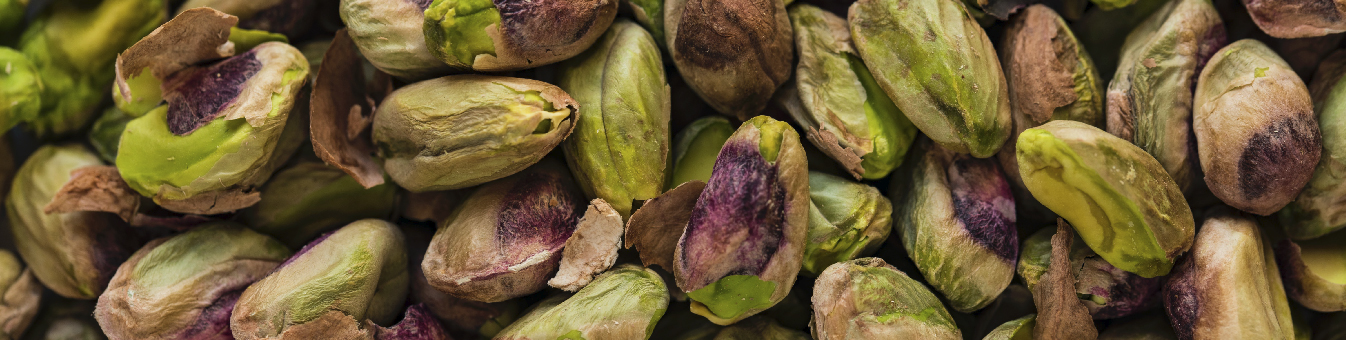
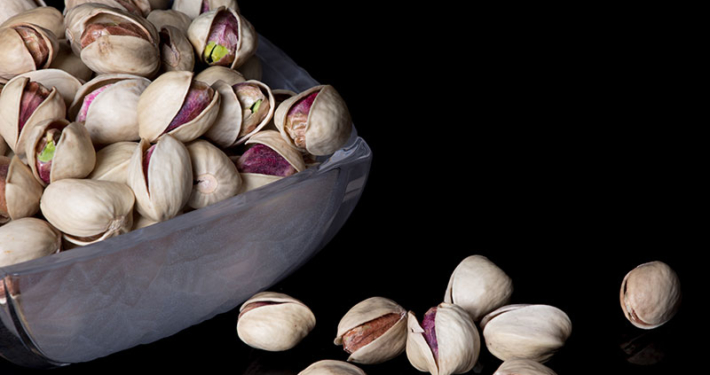
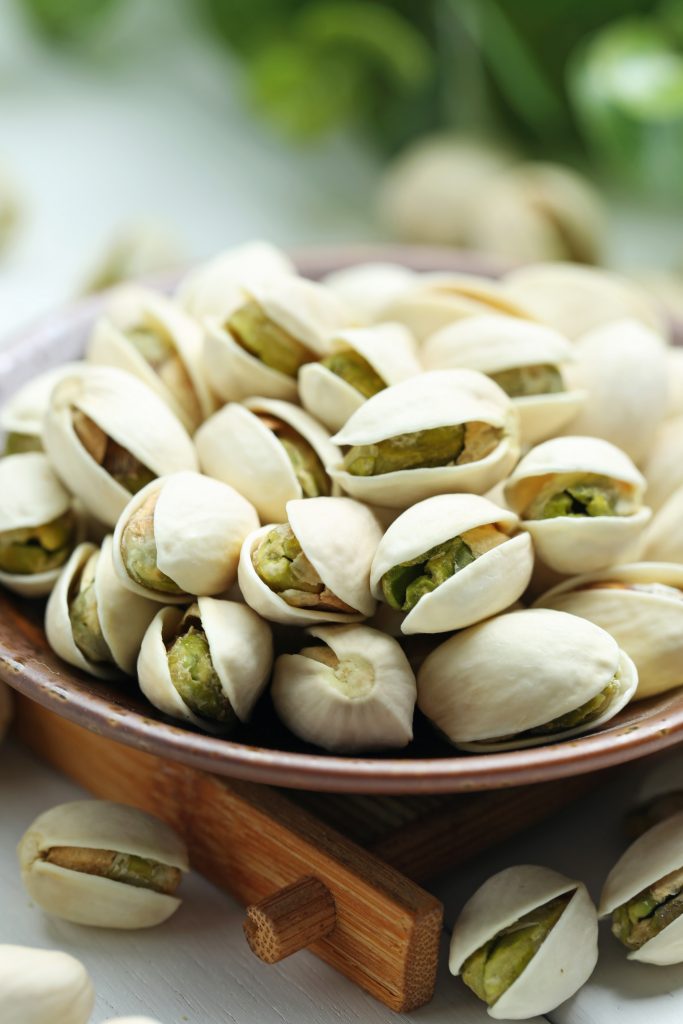
Pistachios are fully ripe when their outer green shell (exocarp) turns brown or dark brown and becomes dry and hard. Additionally, the kernel inside is completely dry, and the inner shell begins to crack slightly. Another key indicator is the change in color of the seed, shifting toward a brown or golden hue.
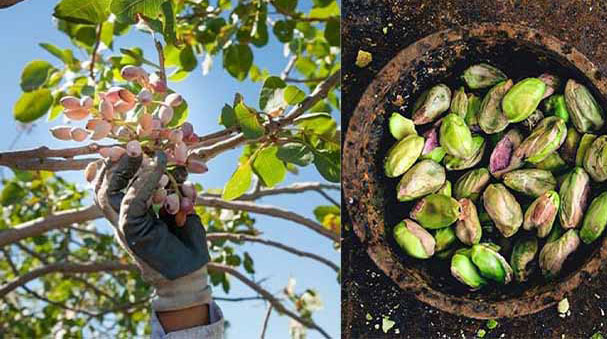
In most regions of Iran, the harvesting period usually falls between late September and mid-October. For example, in southern and western areas, harvesting starts earlier, whereas in eastern and northern regions, it may be slightly delayed.
Important Tips About Harvest Timing
- Moisture Content: If the kernels are still moist, it’s best to wait a bit longer for proper drying, as premature harvesting can reduce quality.
- Weather Conditions: The ideal harvest time is on mild, calm days to facilitate better drying and prevent damage.
- Natural Monitoring: Visual and tactile inspections are the most reliable methods. Relying solely on calendar dates is not advisable.
Why Is Timing So Important?
Harvesting too early results in immature pistachios with inferior quality, risk of cracking, and poor color. Conversely, harvesting too late can cause kernel damage, pest infestations, and loss of flavor and shelf life. Therefore, proper timing is crucial to producing premium pistachios.
If you want to buy high-quality pistachios at the right time, just message on WhatsApp:
Number: +989214773705 — Mr. Ravan Shad
Contact us to get the best pistachios at suitable prices, exactly when they are ready!