
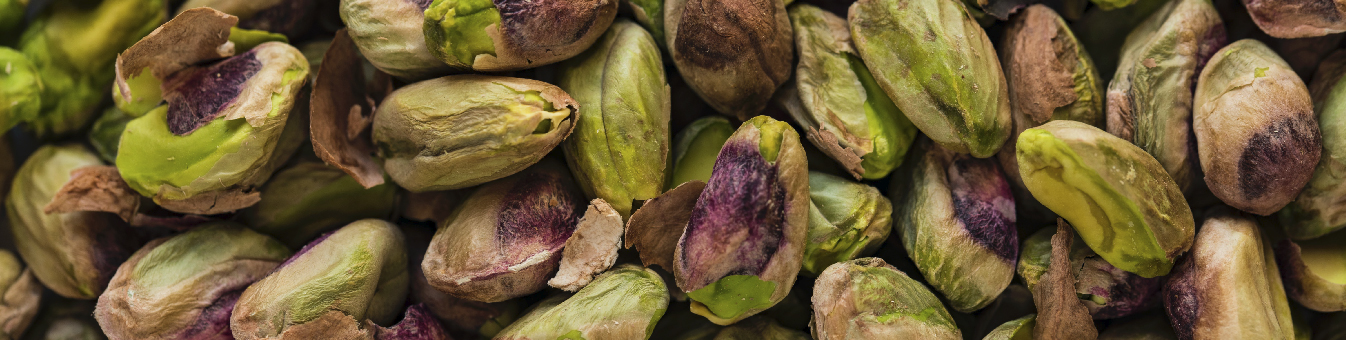

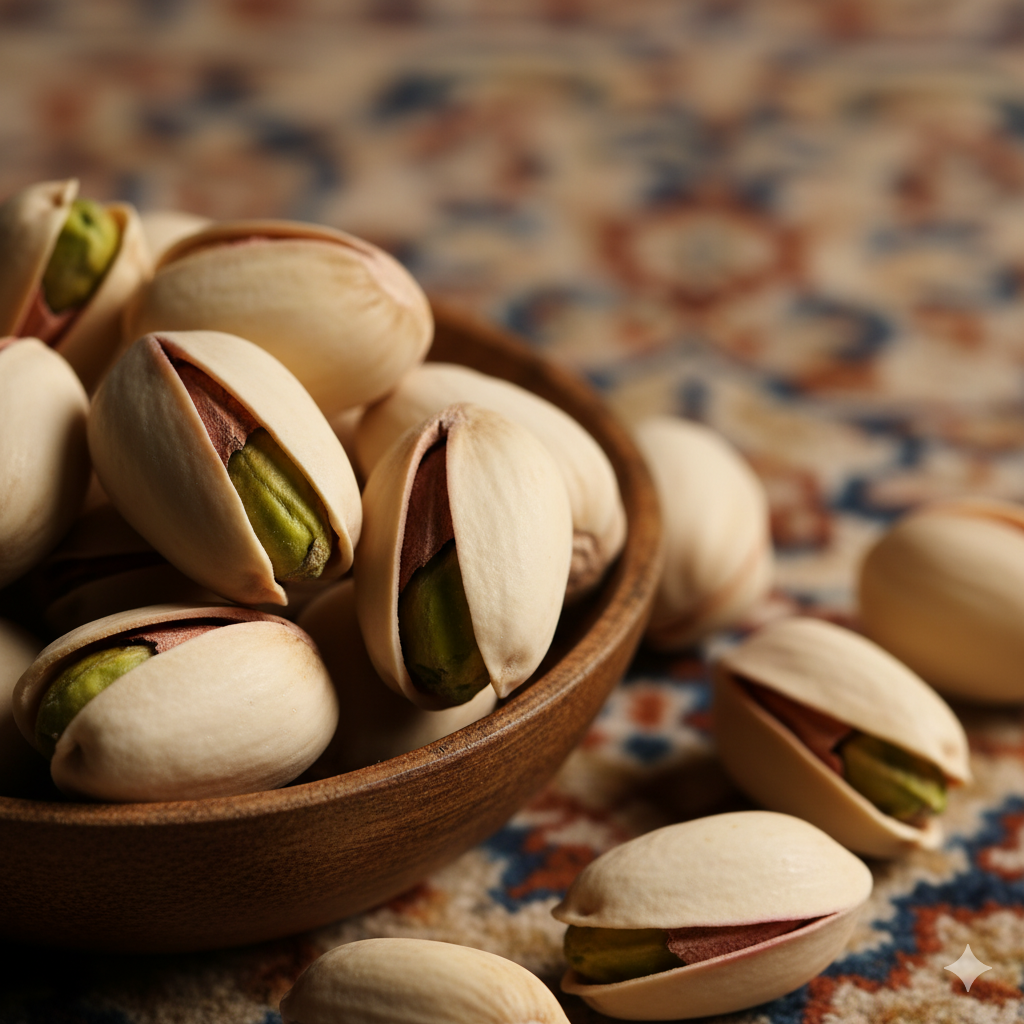
Iranian pistachio is globally recognized as the gold standard, not just for its exceptional flavor, but for its unparalleled genetic diversity. The Agricultural Pistachio Dossier is designed for buyers, quality control professionals, and chefs who need to understand the fundamental differences between Iranian cultivars. Unlike the uniform production models of some competitors, Iran offers five distinct varieties, each with a unique shape, size, flavor profile, and ideal application—knowledge that is key to securing the right product for your target market.
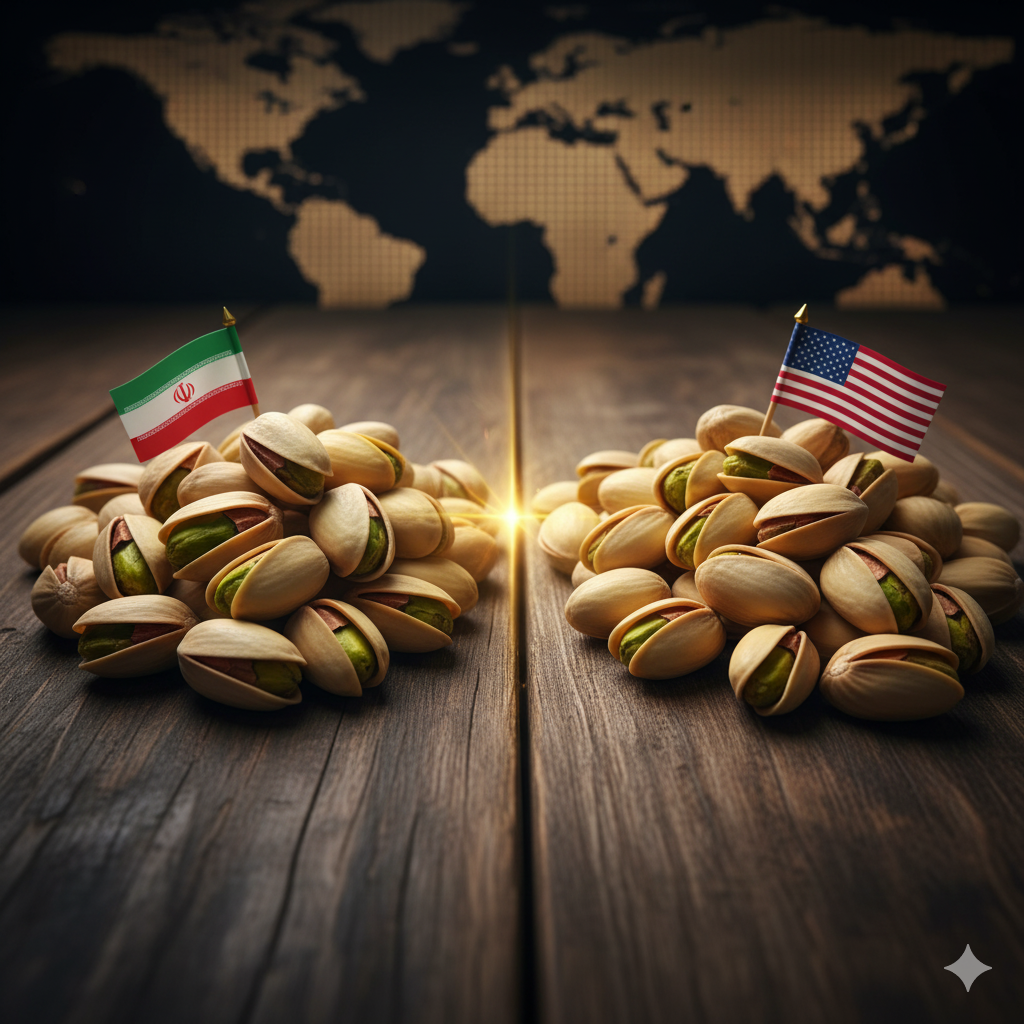
- Decoding Iran’s Five Core Export Cultivars
Each major Iranian pistachio variety is defined by its growing region and genetic traits:
- Akbari (The Long Pistachio): Known as the most luxurious and longest Iranian pistachio. Primarily grown in Kerman (Rafsanjan). Its premium appearance makes it highly sought after in Gulf and high-end European confectionery markets.
- Kalleh Ghouchi (The Jumbo Pistachio): Distinctive for its large, round, “ram’s head” shape. A favorite in Kerman and Khorasan. It offers the highest kernel-to-shell ratio among the round types and is favored for high-impact visual presentation.
- Ahmad Aghaei (The Long and Reddish): A long variety often harvested slightly earlier, yielding a desirable reddish kernel skin. Popular in Kerman and Sirjan, it is highly favored in markets like India and the Middle East due to its aesthetic appeal in mixed nuts.
- Fandoghi / Ohadi (The Round Pistachio): The most widespread and highest-yielding commercial variety, primarily grown in Kerman and Yazd. Its round, compact size makes it the most economical choice for high-volume sales and mixed nut packs.
- Badami (The Almond-Shaped): A slender, almond-shaped variety known for its earlier harvest. It provides a unique, elegant option for niche packaging.
- Specialist Knowledge: Advanced Quality Assessment for Bulk Buyers
In the professional trade, specific terminology and testing are vital to ensure the delivered quality matches the order.
2.1. Unlocking Technical Terminology
- Count (The Ounce): This is the number of pistachios in one avoirdupois ounce (28.35 grams). A lower count (e.g., 20/22) means the nuts are larger and thus more valuable. This must be verified for every bulk shipment.
- Adnan / Un-Split: Naturally un-split nuts are considered inferior to split nuts and may require mechanical processing (water-cracking), a process that can risk quality compromise. Buyers must verify the percentage of natural split.
- Foreign Material (FM): The percentage tolerance for foreign materials like twigs, shells, or hulls must strictly adhere to international standards (e.g., USDA tolerances).
2.2. Essential Techniques for Quality Verification - Visual Inspection: Look for uniform, light-colored shells and a vibrant green-to-yellow kernel. Dark spots or excessive shell staining can indicate delayed hulling or poor drying, raising the risk of fungal contamination.
- Freshness Check: High-quality pistachios should be crisp, firm, and have a distinctive, fresh aroma. Any rancid, oily, or stale odor indicates poor storage or aging.
- Moisture Content: Kernels must be “very well dried” (typically below 7% moisture) to prevent mold and preserve crunch. Suppliers must provide certified moisture reports.
- Strategic Selection: Matching Cultivar to Commercial Use
The right pistachio for a product or market is a strategic choice:
- For Confectionery/Pastry (Kernels): The highest quality, whole, jumbo kernels (e.g., from Akbari) are necessary for vibrant green colors and premium appearance in ice cream and patisserie.
- For Premium Retail: Kalleh Ghouchi and Akbari are often chosen for their superior size and impressive presentation in high-end consumer packaging.
- For Mass Market and Blends: Fandoghi is the workhorse, offering excellent quality at the most competitive price point, suitable for volume buyers and mixed nut products.
Conclusion: The Mark of Authentic Iranian Quality
The Iranian pistachio is a product of rich soil and generations of expertise. Successful international sourcing requires a thorough understanding of this agricultural dossier—from the specific region each variety originates to the rigorous quality checks necessary for global trade. Partner with a supplier who understands and upholds these standards to ensure your product delivers both authentic flavor and reliable quality.
Contact for Purchase and Order Registration
For comprehensive bulk pricing, specialized market consultation, and to place orders for certified, high-quality Iranian export pistachios, please contact Mr. Ravanshad:
00989214773705