

The Truth Behind the Kernel: 10 Common Pistachio Myths That Still Persist
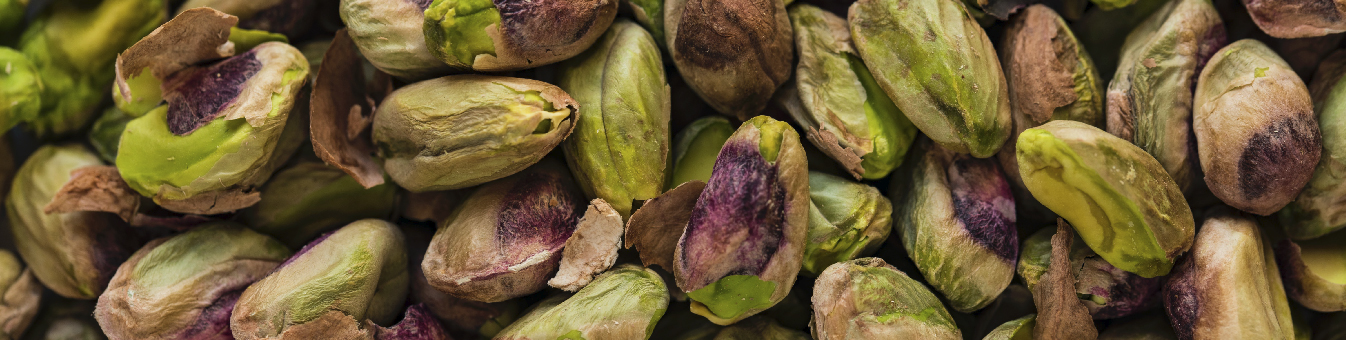
Introduction: The pistachio, often dubbed the “Green Gold,” has been a valuable commodity for millennia. Yet, despite its popularity, a host of pistachio myths and misconceptions about its nature, health effects, and processing methods continue to confuse consumers. As experts in pistachio quality, we delve into the science to debunk the ten most persistent beliefs.
🌰 Myth 1: Pistachios Are Inherently “Hot” and Cause Skin Blemishes
This belief, deeply rooted in Traditional Medicine (like Iranian Traditional Medicine or ITM), dictates that pistachios have a Sard (Cold) or Garm (Hot) temperament.
H3: Scientific Perspective on Pistachio Temperament and Modern Nutrition
While traditional views classify roasted pistachios as having a “hot and dry” temperament, modern nutritional science focuses on chemical composition. Pistachios are rich in unsaturated fatty acids, fiber, and antioxidants. Scientific research does not support the idea that pistachios, when consumed in moderation, directly cause acne or blemishes. Such reactions are more often linked to overall dietary imbalance, hormonal factors, or specific, albeit rare, food intolerances, rather than the intrinsic “hotness” of the nut itself. Raw, fresh pistachios have an even more balanced profile.
❌ Myth 2: All Cracked Pistachio Shells Indicate Natural Ripening on the Tree
This is arguably the most critical myth affecting consumer health and purchasing decisions, directly addressed by the primary keyword of the second article.
H3: The Vital Difference Between Naturally Opened and Water-Opened Pistachios
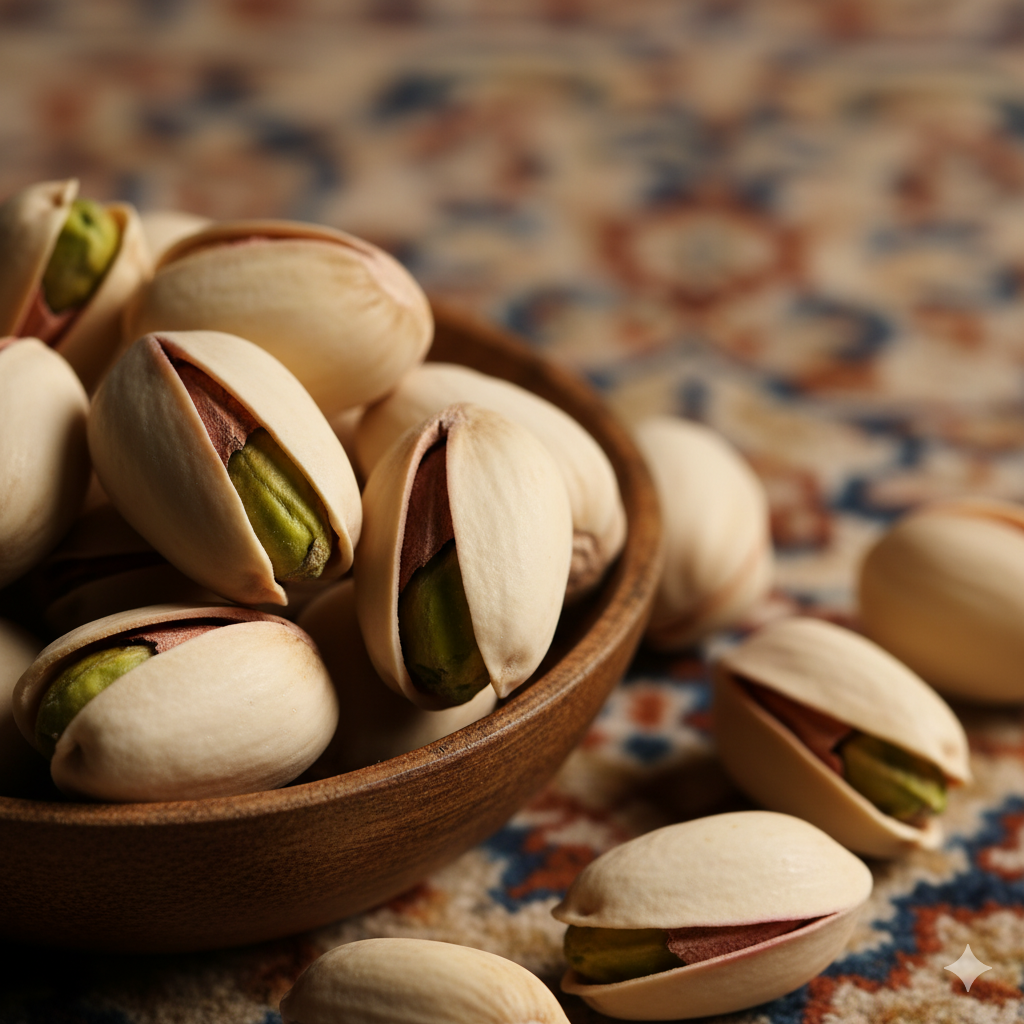
A truly naturally opened pistachio is a sign of a fully developed kernel. The natural split occurs due to the pressure exerted by the growing kernel as it dries. However, low-grade, naturally closed-mouth pistachios (known as kell or ‘closed’) are often processed through a technique called water-opening or mechanical splitting (using high pressure or thermal shock). This industrial process, while maximizing yield, can significantly elevate the risk of microbial contamination and the production of Aflatoxins—a potent health hazard—by reintroducing and trapping moisture.
❌ Myth 3: Pistachios Should Be Avoided by People with High Cholesterol or on a Diet
Given their fat and calorie content, pistachios are often incorrectly perceived as unhealthy for cardiovascular health and weight loss.
H3: Pistachios: A Heart-Healthy Snack for Weight Management
Numerous clinical studies have shown that pistachios, rich in Monounsaturated Fatty Acids (MUFAs)—the same healthy fats found in olive oil—can actually help lower LDL (“bad”) cholesterol and improve the overall blood lipid profile. Furthermore, their high content of fiber and protein promotes satiety, which is highly beneficial for appetite control and successful long-term weight management. The energy boost they provide is nutrient-dense, making them a superior choice over processed snacks.
❌ Myth 4–10 (Summary for Comprehensive Coverage)
- Myth 4: Pistachios are harmful during pregnancy or breastfeeding. (Truth: They are vital sources of iron, folate, and protein, supporting maternal and fetal health.)
- Myth 5: Only roasted pistachios offer significant health benefits. (Truth: Raw pistachios retain more heat-sensitive vitamins, making them nutritionally superior in some aspects.)
- Myth 6: Salty pistachios are better for regulating blood pressure. (Truth: Absolutely false. High sodium content raises blood pressure. Unsalted or lightly salted varieties are recommended.)
- … (Continue topics to complete the list of 10 major myths) …
Conclusion & Educational Takeaway: By dispelling these pistachio myths, we empower you to make informed dietary choices. Understanding the science behind this nut ensures you reap its maximum health benefits.
✍️ Article 2: The Research Guide to Premium Pistachios (Natural vs. Industrial Opening)
H1 Title: The Expert’s Guide: Identifying Naturally Opened Pistachios and Avoiding Industrial Processing
Introduction: For the discerning consumer, quality is paramount. The seemingly simple act of a pistachio shell splitting open hides a complex story of growth and processing. This guide offers a technical, research-based examination of how to differentiate premium, naturally opened pistachios from cheaper, potentially unsafe water-opened alternatives.
🌳 The Biomechanics of Natural Shell Splitting
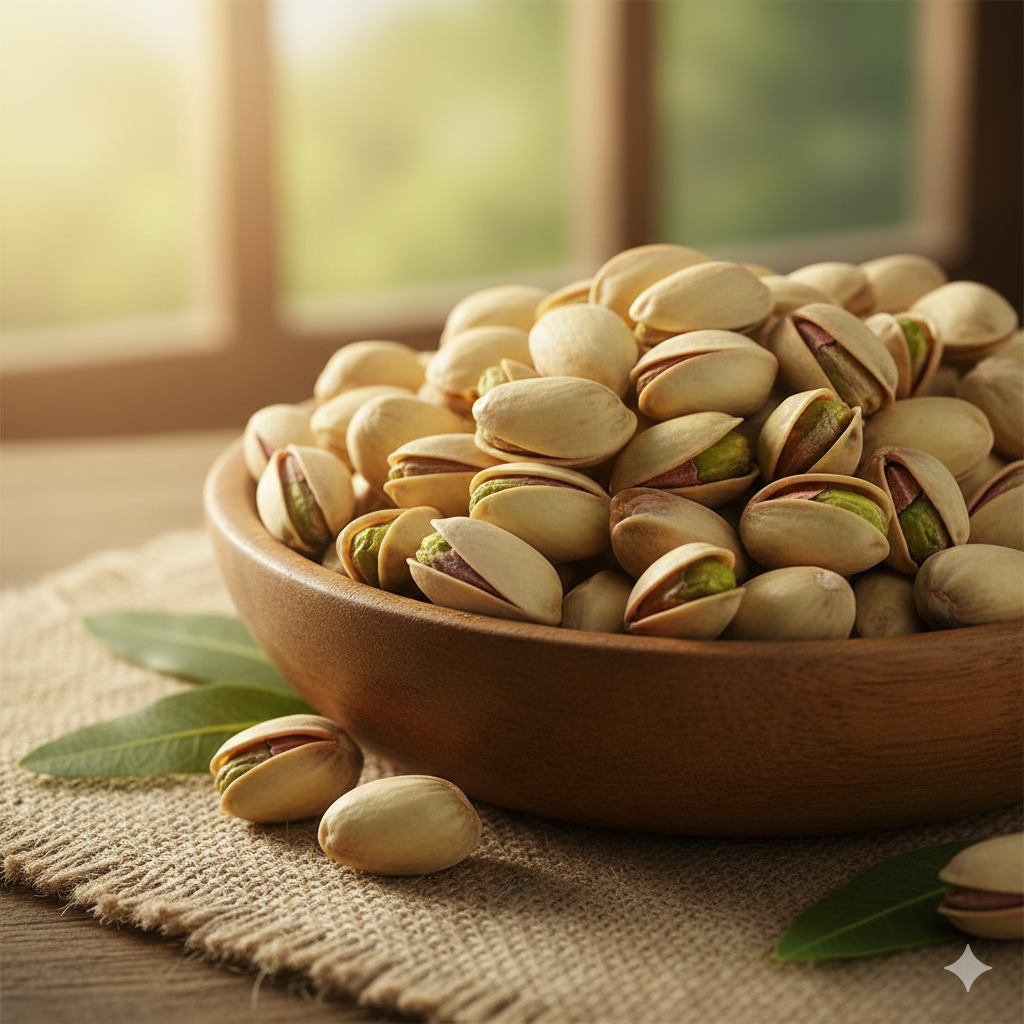
A naturally opened pistachio is the gold standard. The splitting mechanism is a key indicator of quality, signifying that the kernel has fully matured on the tree. The rapid loss of moisture inside the fully grown kernel creates internal tension, resulting in a clean, yet sometimes rough, longitudinal split.
H3: Why Natural Opening Correlates with Higher Kernel Quality
A naturally opened shell guarantees that the kernel inside reached its optimal size, flavor, and nutritional peak while minimizing human intervention. This natural drying process significantly reduces the risk of post-harvest contamination, including the dangerous Aflatoxins, making them the safest choice.
🏭 The Process of Mechanical and Water-Opening Pistachios
A significant portion of the global pistachio harvest remains “closed-mouth.” To commercialize this lower-grade yield, industrial techniques are employed.
H3: The Health and Quality Risks of Water-Opened Pistachios
Water-opening (or mechanical splitting) involves subjecting the closed-mouth pistachios to high-pressure steam or hot water, followed by rapid cooling. This shock causes the shells to split. However, this process forces moisture back into the kernel, creating ideal conditions for mold growth, particularly the Aspergillus species responsible for Aflatoxin production, posing a serious health risk.
🕵️ Practical Research Indicators: How to Identify a Naturally Opened Pistachio
Here are the key physical identifiers for consumers seeking naturally opened pistachios:
- Shell Appearance and Texture: Natural shells often show a slightly uneven, rustic split line. Industrially split shells may appear too clean or uniform, often with signs of wear or unnatural abrasion around the seam.
- Kernel-to-Shell Adherence (The Shake Test): In natural opening, the kernel usually separates cleanly from the shell once fully dried. If you shake a water-opened pistachio, the kernel may sound muffled or appear slightly stuck to the shell walls due to the reintroduction of moisture during processing.
- Visual Inspection for Stains: Water-opened pistachios sometimes carry faint watermarks or mineral stains on the shell surface, which are absent in naturally dried, high-quality pistachios.
Educational Conclusion: Buying high-quality pistachios means understanding the journey from farm to market. By prioritizing naturally opened pistachios and trustworthy suppliers, you safeguard your health and guarantee superior flavor.
📞 Order Placement and Purchasing High-Quality Pistachios
Based on the scientific and quality criteria established in these articles, you can now confidently source premium pistachios.
For direct purchase and guaranteed quality, including wholesale and retail orders, please contact Mr. Ravanshad via WhatsApp:- WhatsApp Contact Number: 00989214773705