
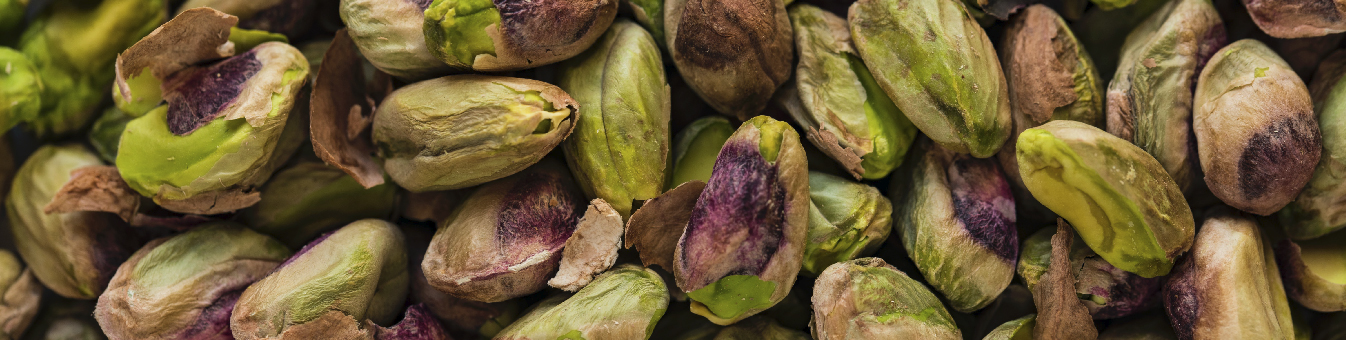

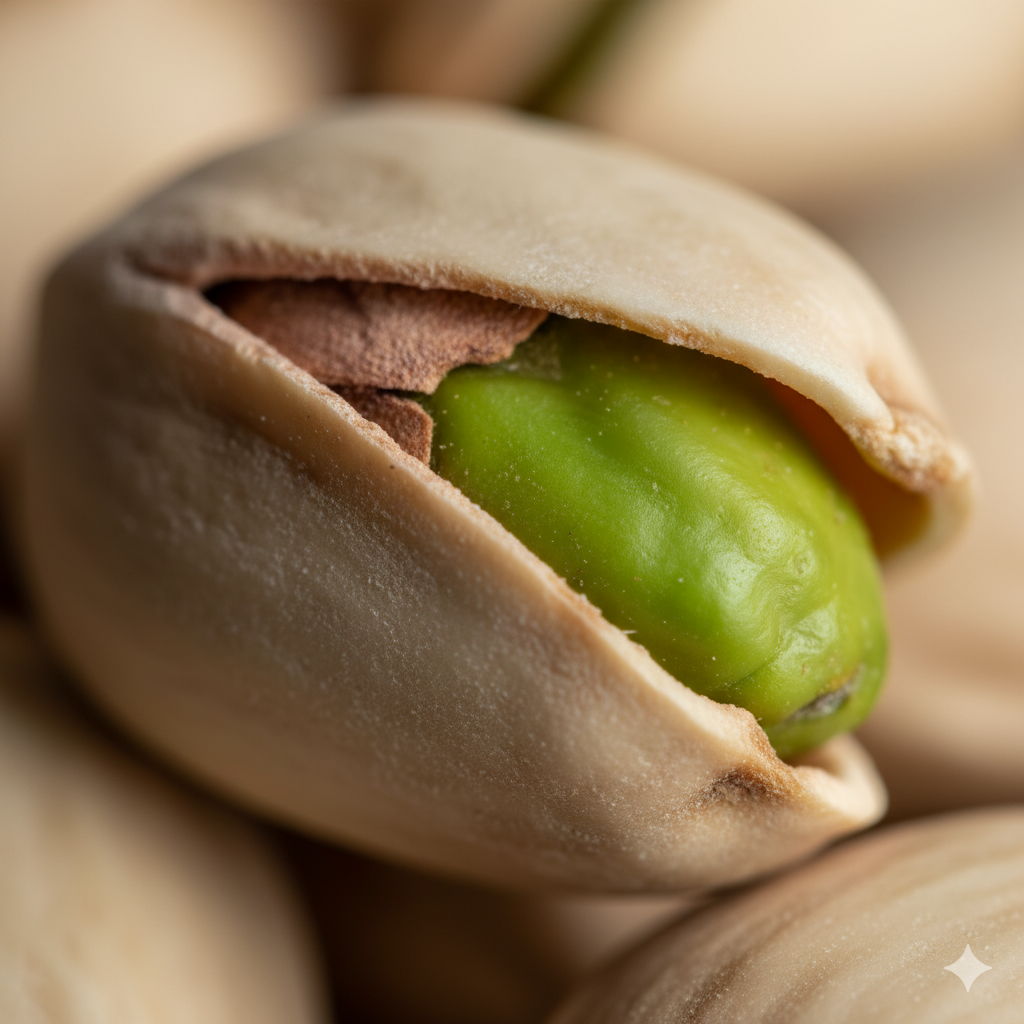
Once seen merely as a delicious nut, pistachio today represents a complex intersection of agriculture, global trade, and investment. As environmental volatility grows and inflationary trends intensify, pistachios have quietly emerged as both a strategic export commodity and a hedging asset. Yet many market participants, from farmers to bulk traders, still make consistent mistakes that limit their potential.
Let’s review the ten most common ones — scientifically and strategically.
1️⃣ Mistaking Pistachio for “Just an Agricultural Crop”
Pistachio is no longer a simple food product; it’s a commodity‑class asset. Its price is influenced by global currency shifts, drought risk, demand in China and India, and supply logistics – much like copper or gold. Traders who treat it merely as a crop miss the macro‑economic layer entirely.
2️⃣ Ignoring the Aflatoxin Challenge
Over 60 % of pistachio shipments rejected by EU and East‑Asian ports fail the aflatoxin test. Many producers still don’t understand the difference between “domestic edible” and “export‑grade 5 + 5 pistachios.”
Every bulk shipment above 5 tons must include a certified laboratory aflatoxin report (through an accredited quality center or JIT‑standard lab). Skipping this step risks not only rejection but brand damage.
3️⃣ Mismanaging Temperature and Humidity in Storage
Pistachio is a living seed – it respires and oxidizes. Storage above 10 °C or humidity above 65 % rapidly triggers microbial growth and kernel rancidity. The cold‑chain warehouse is often more critical than packaging itself.
4️⃣ Believing “Bigger Nuts Mean Better Quality”
Size is cosmetic, not structural. Larger pistachios generally retain higher moisture, making them vulnerable to transport degradation. Quality in major markets like China and Germany is measured by open‑kernel ratio and oil taste, not sheer size.
5️⃣ Overlooking Genetic Diversity Among Cultivars
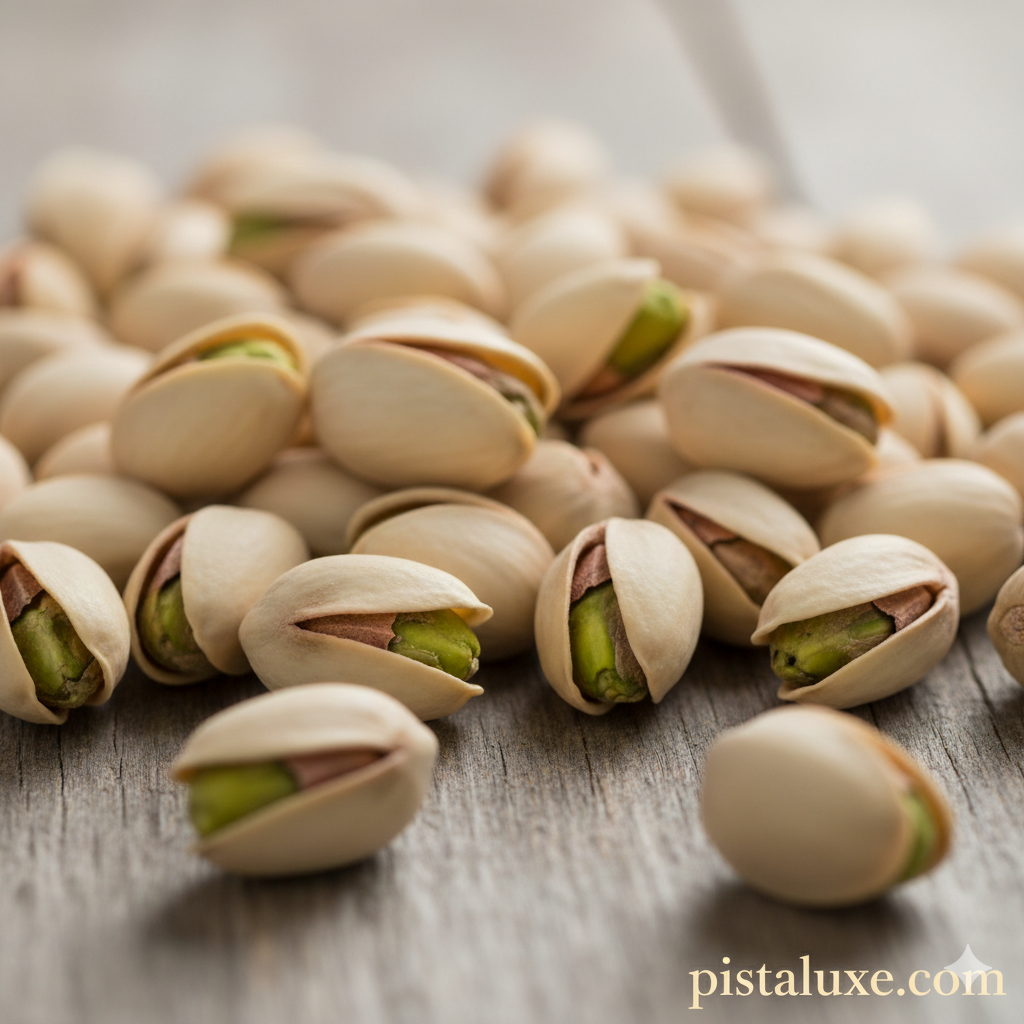
Varieties such as Akbari, Ahmad Aghaei, Kalleh‑Ghoochi and Fandoghi differ in lipid composition, shell hardness, and roasting behavior. Mixing them in bulk purchases often causes uneven quality and customs rejections. Professional exporters know the genotype profile of their lot before signing a contract.
6️⃣ Mis‑timing Bulk Purchases
Young traders often buy aggressively during the harvest months (September–October), assuming prices will rise immediately.
Ten‑year data shows that the true market floor usually appears between December and January — ideal for warehouse accumulation, delivering 20–25 % seasonal return within six months.
7️⃣ Underestimating Currency and Regulatory Impact
Price behavior isn’t just a function of the USD/IRR exchange rate. Exporters must track Central Bank policies, Indian import tariffs, and global freight costs. Around 30 % of pistachio price volatility in 2015‑2024 stems from logistics and financing costs, not intrinsic value.
8️⃣ Incorrect “Physical Hold” Strategies
Many investors buy to hold long‑term but neglect the physical preservation standards.
An 18‑month storage horizon demands temperature below 10 °C, relative humidity < 65 %, and dark environments free of direct light. Without this, natural oxidation reduces quality and yields by up to 12 %.
9️⃣ Neglecting Scientific Branding and Storytelling
A “good” pistachio isn’t enough for modern markets; it needs a sustainable narrative.
Brands like Wonderful Pistachios leveraged the Californian Climate Story to build emotional equity. Iran, with its unique terroir in Kerman and Rafsanjan, holds similar potential but under‑utilizes data‑driven marketing. Digital storytelling can multiply perceived value by 30‑50 %.
🔟 Ignoring Pistachio as a Financial Hedge Asset (Agri‑Asset)
As global uncertainties in 2026 mirror gold’s 1980s dynamics, pistachio may evolve into a port‑inflation hedge instrument.
Institutional buyers purchasing 50 – 200 tons and storing under controlled conditions for 18 months are realistically positioned for 50‑60 % gross return, blending seasonal appreciation with inflation and currency effects — a trend confirmed across 2014 – 2024 datasets.
🔬 Research‑Based Takeaway
Pistachio sits at the frontier of agriculture, finance, and climatology.
It rewards those who integrate scientific standards (storage + testing) with macroeconomic awareness (forex + logistics + branding).
In the coming years, this “Green Gold” will belong not to traditional growers — but to investors who think like scientists and act like strategists.
📞 Bulk purchase (50 – 200 tons), quality verification & export‑order inquiries:
Mr. Ravanshad – WhatsApp 0098 921 477 3705
🌐 pistaluxe.com