
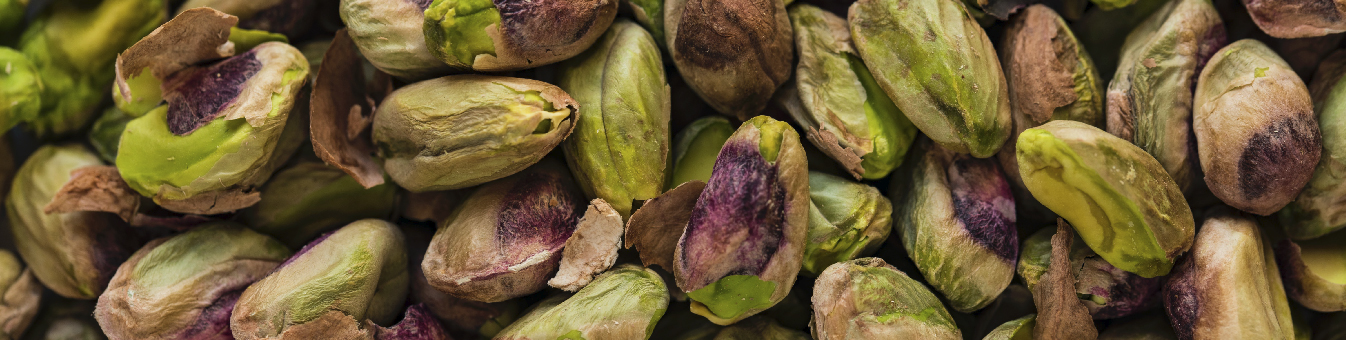

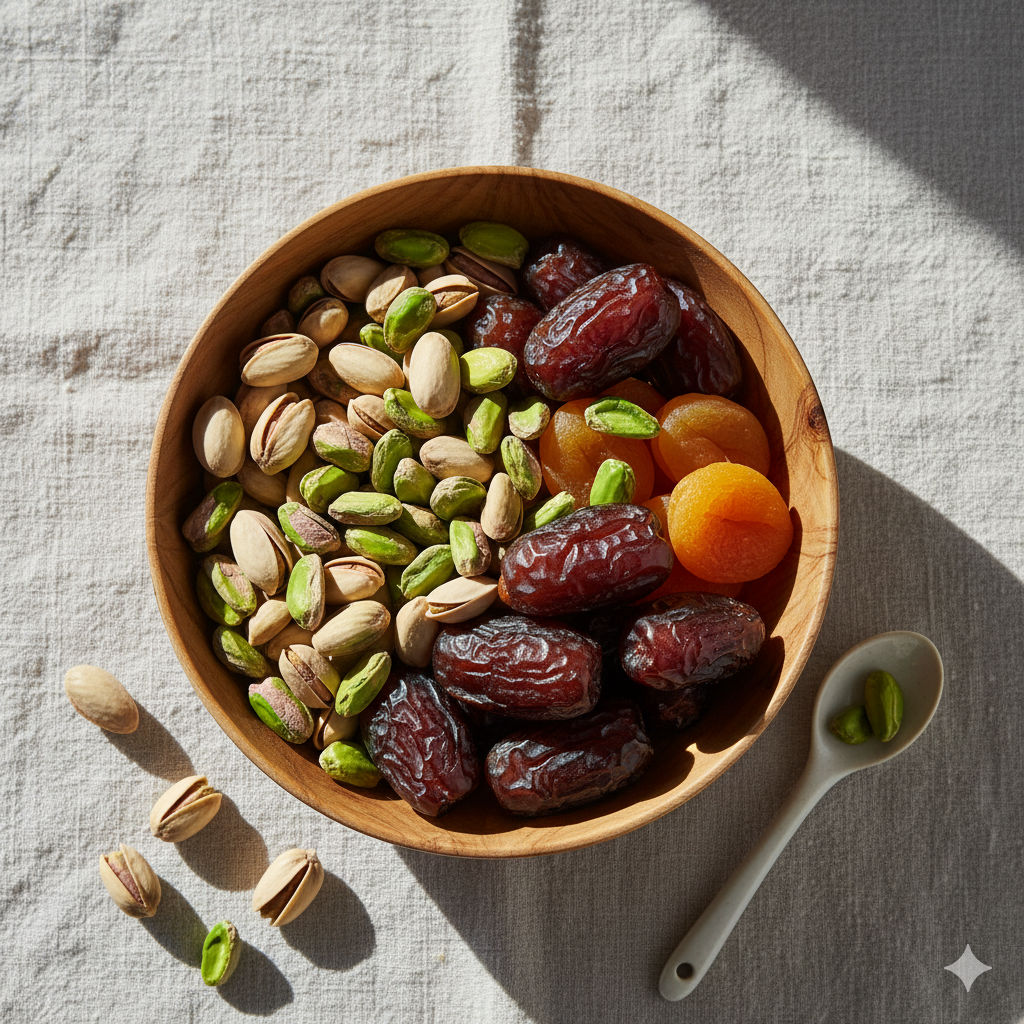
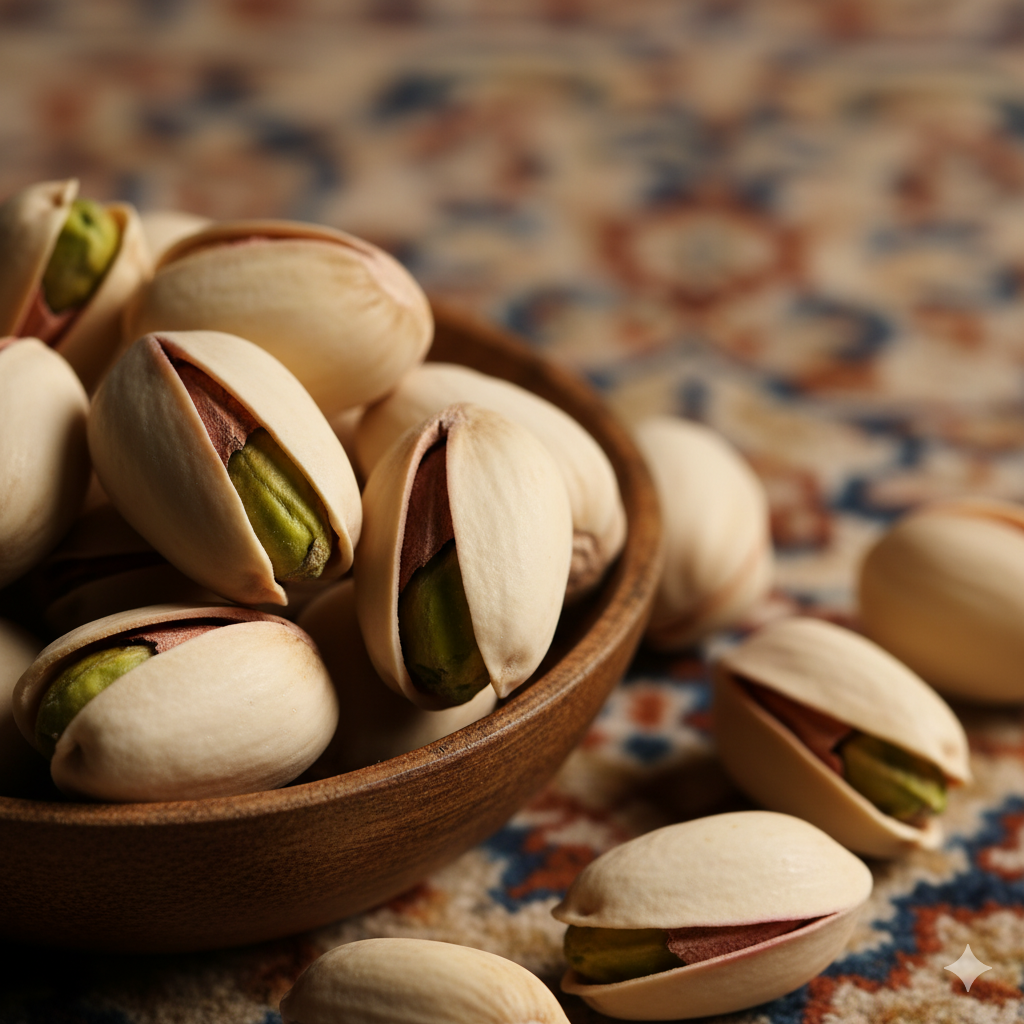
This article focuses on cutting-edge biotechnology and nanotechnology approaches for producing next-generation fibers from Pistachio Waste. The primary objective is the efficient separation of high-value nanocellulose materials—specifically Cellulose Nanocrystals (CNC) and Cellulose Microfibrils (MFC)—from the pistachio husk using enzymatic hydrolysis. These nanocelluloses are then utilized as high-performance reinforcing agents within biopolymer matrices. This novel approach results in Nanofiber Composites that significantly enhance the mechanical properties of the fabric (e.g., tensile strength, abrasion resistance) and introduce advanced functionalities such as inherent antimicrobial and UV-protective properties. This research establishes a vital pathway for integrating Agro-waste Biopolymer Fibers into high-performance Bio-materials in Fashion.
- Introduction: Nanotechnology as an Engine for Sustainable Textile Transformation
The textile industry is increasingly relying on nanotechnology innovations to achieve higher performance and sustainability standards. Nanocellulose, derived from abundant and low-cost sources like the Pistachio Shell, is ideal for reinforcing fibers due to its high aspect ratio, large surface area, and exceptional mechanical strength. This paper examines the detailed biotechnological mechanisms required to extract these valuable nanomaterials and their successful formulation into sustainable spinning systems. - Biotechnological Methodology for Nanocellulose Extraction
2.1. Enzymatic Hydrolysis (EH) over Acid Hydrolysis:
Traditional CNC production involves strong mineral acids, posing significant environmental concerns. Here, we propose using specialized enzymatic cocktails (e.g., cellulases from Trichoderma reesei) under mild pH conditions. Enzymes selectively hydrolyze the amorphous regions of the cellulose, liberating high-crystallinity nanocellulose without severe polymer degradation.
2.2. High-Pressure Homogenization and Ultrasonic Processing:
Following EH, mechanical processes such as high-pressure homogenization are applied to achieve the final defibrillation and separation of the MFC and CNC. The resulting CNC and MFC are then incorporated as structural reinforcements in wet-spinning or electrospinning formulations for the creation of new Bio-based Textiles.
- Development of Pistachio-Based Nanofiber Composites
The incorporation of controlled amounts of CNC and MFC into a spinning solution (e.g., PLA or regenerated cellulose solutions) facilitates strong hydrogen bonding with the polymer chains. This bonding significantly enhances stress transfer within the fiber structure, directly increasing the fiber’s modulus of elasticity and tensile strength. The relationship between fiber strength and nanocellulose concentration can be conceptually described as:
Furthermore, the tannins extracted from the pistachio husk possess natural antioxidant and antimicrobial properties. By integrating these extracts into the nanofiber composite matrix or as a surface finishing, we can produce functional textiles suitable for performance wear or medical applications, marking a significant step for Innovation in Sustainable Textiles.
- The Circular Economy Impact of Pistachio Waste
The project of producing fibers from pistachio shells is a perfect example of a Pistachio Circular Economy. By transforming a waste product into a high-value raw material, reliance on imported synthetic fibers decreases, and a robust domestic sustainable supply chain is strengthened. This approach also effectively mitigates methane emissions associated with agricultural waste landfills, providing substantial environmental benefits through effective Pistachio Waste Utilization. - Conclusion and Future Perspectives
The synergistic application of advanced biotechnology for nanomaterial extraction and nanotechnology for composite fiber production maps a bright future for Sustainable Fashion. This innovative development elevates the domestic Pistachio Husk Fabric Production industry into a pioneer of green technology.
📞 For purchasing and placing orders for innovative research-grade fibers and fabrics from pistachio shells, please contact Mr. Ravanshad on WhatsApp:
WhatsApp Contact Number: 00989214773705