
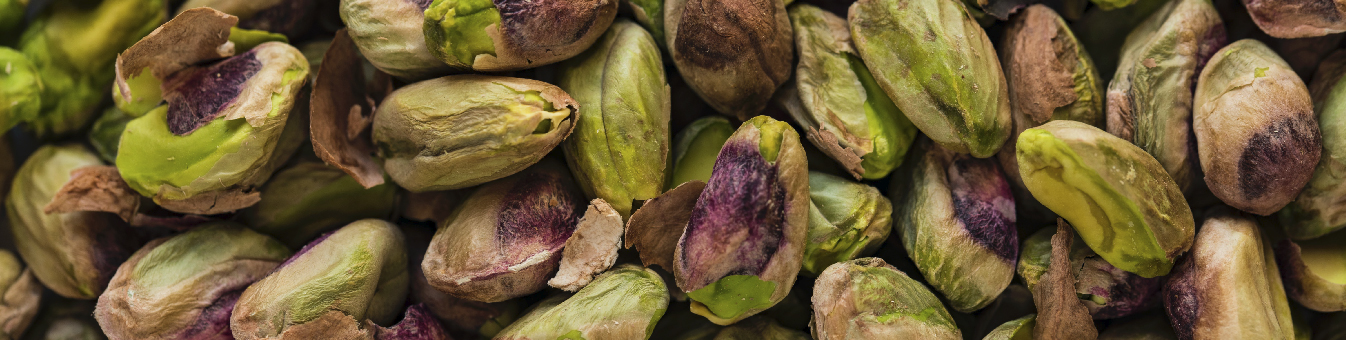

The global nut market recognizes Iranian pistachios as the “gold standard” of flavor and variety. However, for an international buyer, navigating the complexities of bulk procurement in Iran requires more than just capital—it requires localized intelligence. Smart importers don’t just buy a product; they manage a series of risks to ensure high margins and brand reputation.
- Decoding the “Variety Puzzle”
The first mistake many importers make is treating all pistachios the same. Iranian pistachios are classified into four main commercial types, each serving a different market niche:
- Fandoghi (Round): The high-yield, cost-effective choice. Ideal for processors and the chocolate industry.
- Akbari (Super Long): The luxury segment. Known for its elongated shape and easy-peeling shell, it dominates the high-end markets of the Persian Gulf and East Asia.
- Ahmad Aghaei (Long): The favorite of the snacking industry due to its bright red kernel and exquisite taste.
- Kalleh-Ghouchi (Jumbo): A large, bold nut preferred by European markets for premium nut mixes.
- The Aflatoxin Barrier: Risk Mitigation
Aflatoxin levels are the “make or break” factor for entry into strictly regulated markets like the EU. Smart importers never rely on verbal quality assurances. They insist on:

- Batch-Specific Lab Reports: Ensuring the product meets the parts-per-billion (ppb) requirements of the destination country.
- Sourcing from High-Altitude Orchards: Regions with lower humidity often produce nuts with lower fungal risks.
- The “Natural Open” vs. “Mechanical Open” Trap
To lower prices, some suppliers mix Naturally Open (NO) pistachios with Mechanically Opened (MO) ones (also known as “Ab-Khandan”). MO pistachios are closed-shell nuts forced open by soaking in cold water and then drying rapidly. These have a significantly shorter shelf life and a bland taste. A smart importer knows how to inspect the shell hinge to ensure they are paying for 100% naturally opened premium quality.
- Logistics and Freshness Preservation
Pistachios are high-fat products susceptible to rancidity. Bulk shipping requires climate-controlled containers or specialized “Big Bag” packaging with oxygen barriers. Understanding the lead times from the Kerman or Khorasan provinces to the port of Bandar Abbas is crucial for maintaining the “New Crop” freshness.
Expert Insight: Building a direct line to a reliable source in Iran eliminates the “middleman markup” and ensures transparency in the sorting process.
For professional consultations, price inquiries, and bulk orders, contact Mr. Ravanshad via WhatsApp:
Phone: +989214773705