

The Undeniable Link Between Diet and Reproductive Health
The journey to conception, for both men and women, is profoundly influenced by lifestyle factors, with nutrition playing a central and critical role. In the quest for dietary enhancements to reproductive function, certain natural foods stand out due to their rich and unique nutrient profiles. Among the diverse array of tree nuts, the pistachio (Pistacia vera L.) has emerged as a powerhouse, often dubbed a “fertility superfood.” This detailed article delves into the robust scientific evidence and the specific biochemical mechanisms through which regular and mindful pistachio consumption can significantly boost fertility, offering a natural and delicious strategy for couples planning to conceive.
Pistachios and Enhanced Male Reproductive Health – Improving Sperm Quality
Male fertility is predominantly determined by the quality of sperm, encompassing crucial parameters such as count, motility (movement), and morphology (shape and size). Extensive research and clinical trials have underscored the pivotal role of pistachios in positively modulating these factors, primarily through their exceptional antioxidant and lipid content.
1.1. Combating Oxidative Stress with Potent Antioxidants
One of the most significant threats to healthy sperm is oxidative stress (OS), an imbalance between free radicals and the body’s antioxidant defenses. Sperm are highly vulnerable to OS due to their membranes being rich in polyunsaturated fatty acids. Pistachios are an exceptional source of powerful antioxidants, providing comprehensive protection:
- Vitamin E (\gamma-Tocopherol): The most abundant form of Vitamin E in pistachios, it acts as a fat-soluble antioxidant, safeguarding the sperm’s cell membrane lipids from peroxidation, which is critical for maintaining sperm function and survival.
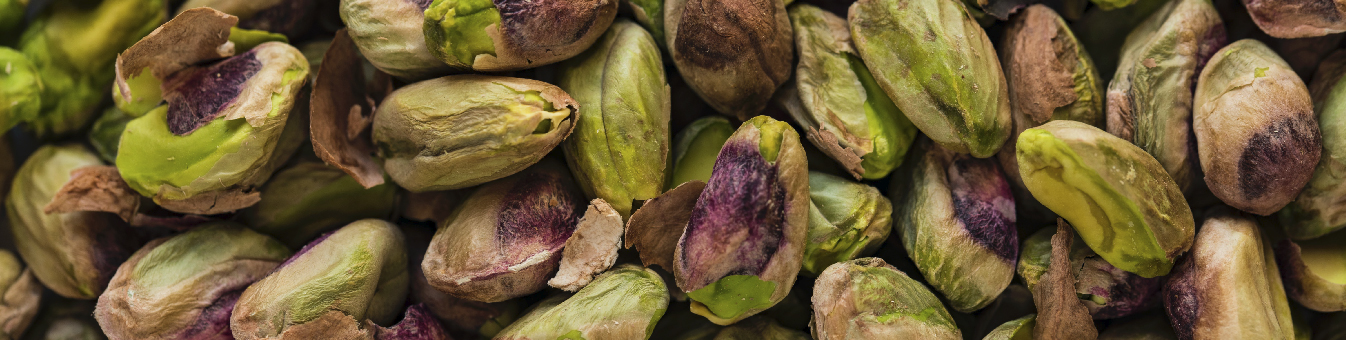
- Lutein and Zeaxanthin: These xanthophyll carotenoids, known for their vibrant green color in the pistachio kernel, are highly effective in neutralizing reactive oxygen species (ROS) within the seminal plasma, thereby protecting the delicate sperm DNA from fragmentation (SDF). Low SDF rates are directly correlated with higher pregnancy success rates.
- Polyphenols and Phytochemicals: Pistachios contain a high concentration of phenolic compounds and flavonoids, which contribute to the overall increase in the body’s antioxidant capacity, further stabilizing and protecting testicular tissue and improving the microenvironment for spermatogenesis.
1.2. The Role of L-Arginine in Improving Blood Flow and Motility

Pistachios are a notable source of the amino acid L-Arginine. This amino acid is the direct precursor for the synthesis of Nitric Oxide (NO), a potent vasodilator in the body. Improved vascular function, achieved by increased NO production, translates directly to better blood flow to the reproductive organs, including the testes and penis. Studies have linked consistent pistachio consumption to improved endothelial function, which can:
- Enhance erectile function parameters.
- Optimize the delivery of essential nutrients for the continuous process of healthy sperm production.
- Indirectly support sperm motility by ensuring the smooth and efficient function of the reproductive system’s vasculature.
Chapter II: Pistachios and Female Fertility – Hormonal Balance and Egg Health
Female fertility involves a delicate balance of hormones, the quality of oocytes (eggs), and optimal uterine lining preparation. While the benefits for male fertility are widely documented, the role of pistachios in women’s reproductive health is equally compelling and is rooted in their micronutrient density and healthy fat profile.
2.1. Essential Fats for Steroid Hormone Synthesis
The healthy fats found in pistachios—predominantly Monounsaturated Fatty Acids (MUFAs)—are crucial building blocks for steroid hormones such as estrogen and progesterone. These hormones are vital for regulating the menstrual cycle, ensuring timely ovulation, and maintaining a healthy environment for implantation. - A diet rich in healthy fats, like those in pistachios, supports the body’s ability to produce and regulate these sex hormones efficiently, which is particularly important for women with conditions like Luteal Phase Defect (LPD) or irregular cycles.
2.2. Folate, Fibre, and Metabolic Health
Pistachios provide a good source of Folate (Vitamin B9), a nutrient indispensable for cell division and DNA synthesis, processes that are critical during egg maturation and early embryonic development. Adequate Folate intake is a well-established requirement for reducing the risk of neural tube defects. Furthermore:
- Dietary Fibre: The high fibre content of pistachios helps regulate blood sugar and insulin levels. Insulin resistance is a common underlying factor in ovulatory disorders, most notably Polycystic Ovary Syndrome (PCOS). By promoting stable blood glucose, pistachios indirectly support regular ovulation and improve the chances of conception in women with metabolic irregularities.
🛒 Purchase Information for Premium Pistachios
For sourcing and ordering high-quality pistachios to support your reproductive health goals, please contact Mr. Ravanshad via WhatsApp:
WhatsApp Contact Number: 00989214773705