

- Introduction: The Importance of Gut Health in Restrictive Diets (Approx. 200 words)
The Ketogenic Diet (KD), through its severe restriction of carbohydrate intake (particularly grains, fruits, and starchy vegetables), often leads to a significant decrease in dietary fiber consumption. This reduction in fiber can disrupt the balance of the Gut Microbiome, potentially resulting in issues such as constipation and reduced bacterial diversity. The gut microbiome plays a vital role not only in digestive processes but also in vitamin production, immune system regulation, and even the gut-brain axis. Therefore, identifying low-carbohydrate food sources that can supply the necessary fiber and Prebiotic compounds is a research priority within ketogenic regimens.
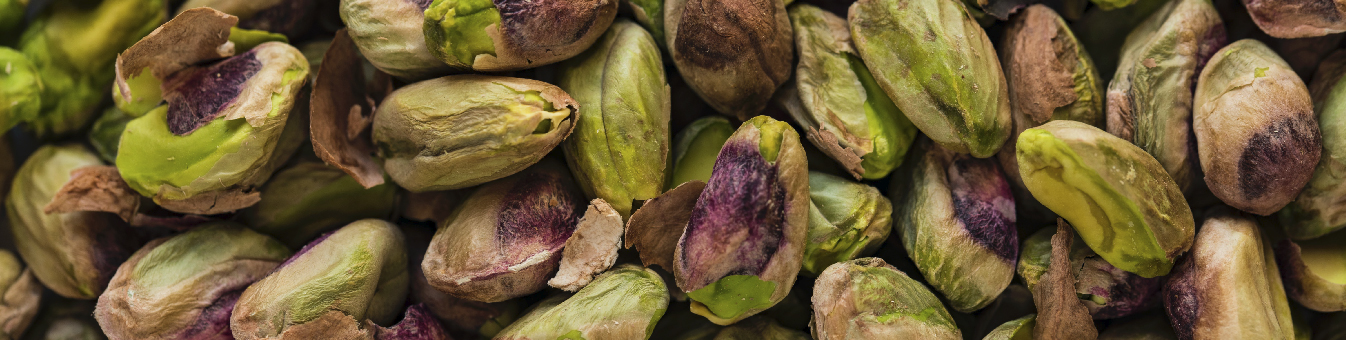
Pistachios, with their substantial content of dietary fiber (approximately 3 grams per 28-gram serving) and other bioactive compounds like polyphenols, are a strong candidate for supporting gastrointestinal health in ketogenic individuals. The aim of this article is to examine the mechanisms by which pistachios influence the gut microbiome and their role in alleviating digestive complications commonly associated with the KD. - Materials and Methods: Prebiotic Mechanism and Pistachio Fiber Function (Approx. 300 words)
2.1. Prebiotic Characteristics of Pistachios
The fiber in pistachios is composed of both soluble and insoluble dietary fibers. More importantly, studies have indicated that pistachios contain a significant amount of polyphenols and phenolic compounds which, due to their resistance to digestion in the upper gastrointestinal tract, reach the large intestine. There, they serve as selective fuel for beneficial gut bacteria (especially Lactobacillus and Bifidobacterium species). This characteristic makes pistachios an effective prebiotic source.
2.2. The Process of Short-Chain Fatty Acid (SCFA) Production
When the fiber and polyphenols from pistachios are fermented by the gut microbiome, Short-Chain Fatty Acids (SCFAs), particularly Butyrate, are produced. Butyrate is the primary energy source for the epithelial cells lining the colon (colonocytes) and plays a pivotal role in maintaining the gut barrier function, reducing local inflammation, and improving nutrient absorption. In the KD context, where glucose intake is low, SCFA production facilitated by pistachios can help sustain intestinal health and mitigate systemic inflammation.
2.3. Dosage Based on Fiber Requirement
Given that one standard serving of pistachios (49 kernels) provides about 3 grams of fiber, and the daily fiber recommendation for adults is typically 25 to 30 grams, pistachios can contribute a meaningful portion (about 10–12%) of the required daily fiber.
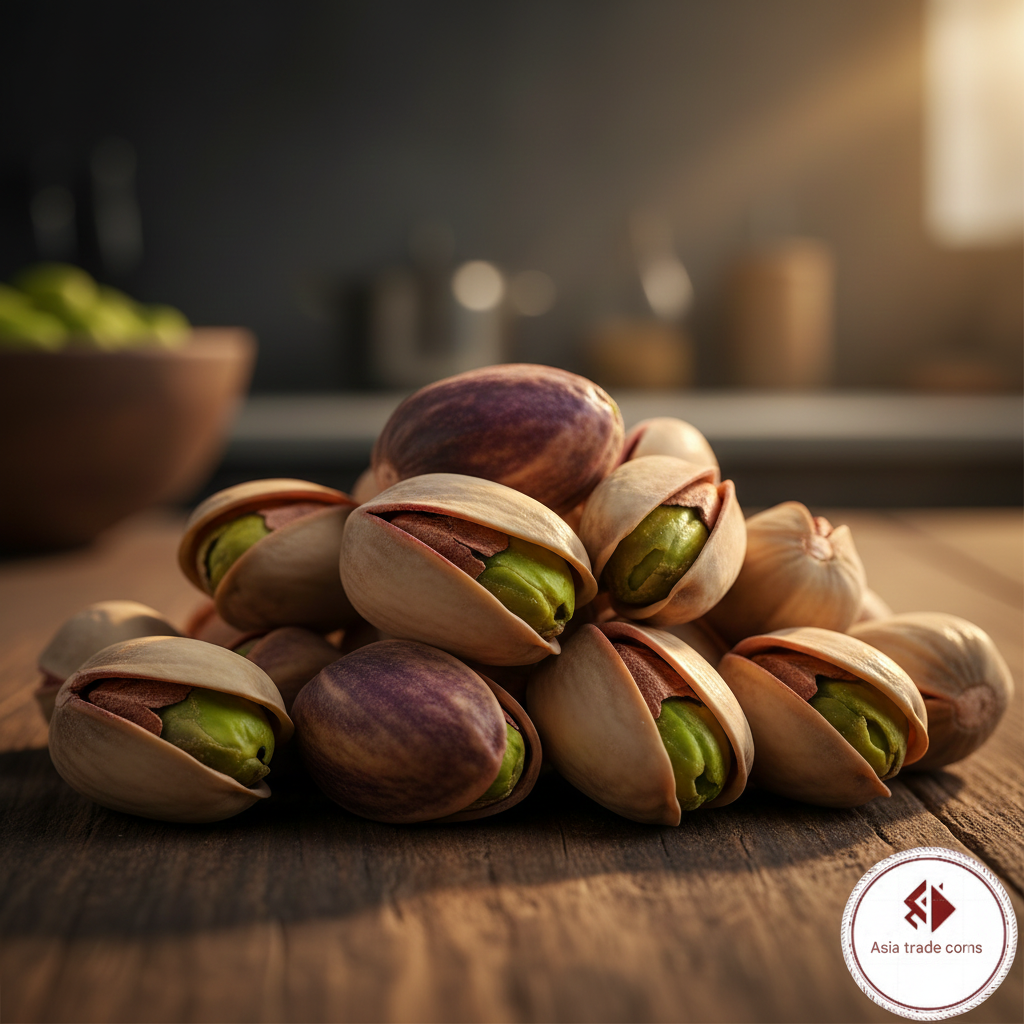
Practical Recommendation (How many per day): To optimize the prebiotic effects and ensure adequate fiber intake, consumption of 1 to 2 full servings (49 to 98 kernels) of pistachios daily is recommended, provided it remains within the net carbohydrate allowance. Consuming two servings (approximately 6 grams of fiber) will positively impact gut peristalsis and help prevent KD-associated constipation.
- Results and Discussion: Impact of Pistachios on Digestive Health and Microbial Diversity (Approx. 400 words)
3.1. Enhancement of Microbial Diversity and Balance
Clinical trials have demonstrated that pistachio consumption leads to positive shifts in the gut microbial composition, specifically an increase in butyrate-producing bacteria. For individuals on the KD, which is often associated with reduced microbial diversity, pistachios can act as a balancing agent to maintain or even enhance this diversity. Preserving microbial diversity during KD is essential for preventing microbial dysbiosis and supporting overall metabolic function.
3.2. Alleviating Common Ketogenic Digestive Side Effects
One of the frequent side effects during the adaptation phase of the ketogenic diet is constipation, primarily due to the severe reduction in fiber intake. The insoluble fiber in pistachios aids in increasing stool bulk, while the soluble fiber contributes to stool softening and improved bowel movements. Therefore, incorporating pistachios into the ketogenic diet as a fiber-rich snack is an effective strategy for both the prevention and management of constipation.
3.3. Antioxidant and Anti-inflammatory Role
Beyond fiber, pistachios are rich in antioxidants (such as lutein, zeaxanthin, and Vitamin E). These compounds play a critical role in reducing oxidative stress and inflammation. Low-grade chronic inflammation is a risk factor in many diet-related diseases. In the context of gut health, the anti-inflammatory activity of pistachios can help protect the intestinal mucosa from potential damage and improve the integrity of the Gut Barrier, ultimately benefiting ketone absorption and overall KD efficacy. - Conclusion and Future Perspectives (Approx. 100 words)
Pistachios are an outstanding nutritional choice for the ketogenic diet, extending their benefits beyond merely supplying healthy fats. As an effective source of prebiotic fiber, this nut directly addresses the common digestive challenges of the KD, particularly fiber deficiency and gut microbiome disruption. Controlled daily consumption (approximately 49 to 98 kernels) of pistachios can boost SCFA production, thereby improving the gut health and overall metabolic well-being of individuals on a ketogenic regimen. Further research is warranted to elucidate the specific microbial species changes in response to pistachios in human ketogenic cohorts.
📞 Contact Number for Purchase and Ordering
For purchasing pistachios and placing an order, please contact Mr. Ravanshad:
Contact Number of Mr. Ravanshad: 009892147773705
merge bluey
December 6, 2025That’s a helpful recommendation about 1-2 servings of pistachios daily for gut health, especially considering the fiber content mentioned. I found a related discussion about healthy snacking and gut biome support on https://tinyfun.io/game/merge-bluey, which was interesting too.