

Redefining Quality in the Traditional Supply Chain
The pistachio, the green jewel of Iranian agriculture, has historically been hampered by complex and lengthy supply chains. From the moment of harvest in the fertile fields to reaching the final consumer globally, multiple intermediaries, lengthy storage periods, and often inadequate processing facilities create a significant gap between the producer and the buyer. This distance is the primary factor in reduced freshness, diminished flavor, and, critically, potential breaches in hygiene standards (such as Aflatoxin contamination).
The Direct-to-Consumer (D2C) model is now emerging as the digital revolution for the pistachio industry. This model fundamentally shortens the traditional chain, ensuring that end consumers receive a product with the absolute minimum handling and the highest possible degree of freshness. In this in-depth analysis, we explore precisely how a robust D2C platform, especially one backed by reputable domestic brands, is setting new benchmarks for pistachio quality.
1. Eliminating Intermediaries: The Path to Transparency and Fair Pricing
In the conventional model, a shipment of pistachios might pass from the orchard owner to a collection agency, then to a processing plant, export brokers, trading houses, and finally, local distributors. Every stage adds a margin to the final price and, more importantly, introduces an opportunity for prolonged storage under uncontrolled conditions.
The D2C advantage in this area is profound: By migrating sales directly to proprietary online platforms, intermediaries are bypassed. This yields two direct benefits: more competitive pricing for the end buyer, and higher profit margins retained by the original producer. This transparency in pricing builds crucial customer trust, convincing them that the premium they pay is for guaranteed quality, not inflated middleman costs.
2. Guaranteed Freshness: Combating the Invisible Enemy of Pistachios
Pistachios, despite their hard shell, are organic products with a practical shelf life. Oxidation—the degradation of flavor and color caused by exposure to oxygen and light—is their primary enemy.
In a D2C system, processes are engineered to minimize the time between final processing and shipment. Instead of long-term storage in central depots, the product remains in climate-controlled facilities only long enough to fulfill immediate orders. The final packaging (often vacuum-sealed or nitrogen-flushed) occurs immediately before shipping. This means your customers receive a truly “in-season” product, not inventory that has been waiting months in ambiguous environmental conditions. The difference in taste and crunch is immediately noticeable.
3. Complete Control Over Health and Safety Standards: The Aflatoxin Imperative
The most significant commercial and health concern regarding pistachios, especially in highly regulated export markets (like the European Union), is the risk of contamination by Aflatoxin mycotoxins. Controlling these toxins requires sophisticated laboratory equipment at every stage of the supply chain.
When a brand assumes complete control over the chain via the D2C model, it gains the ability to:
- Conduct more rigorous testing on smaller, traceable batches.
- Implement product traceability (Traceability) down to the level of a single bag or consumer-facing package.
- If any batch fails quality assurance tests, only that specific small segment is removed from circulation, rather than jeopardizing an entire large export container.
This level of granular control drastically reduces the brand’s liability and builds immense confidence among discerning global buyers.
4. Storytelling-Driven Branding on the Online Platform
The online marketplace is not just a transactional space; it is a powerful storytelling venue. Modern consumers, particularly those purchasing premium or health-focused goods, demand provenance. They want to know the story behind their purchase.
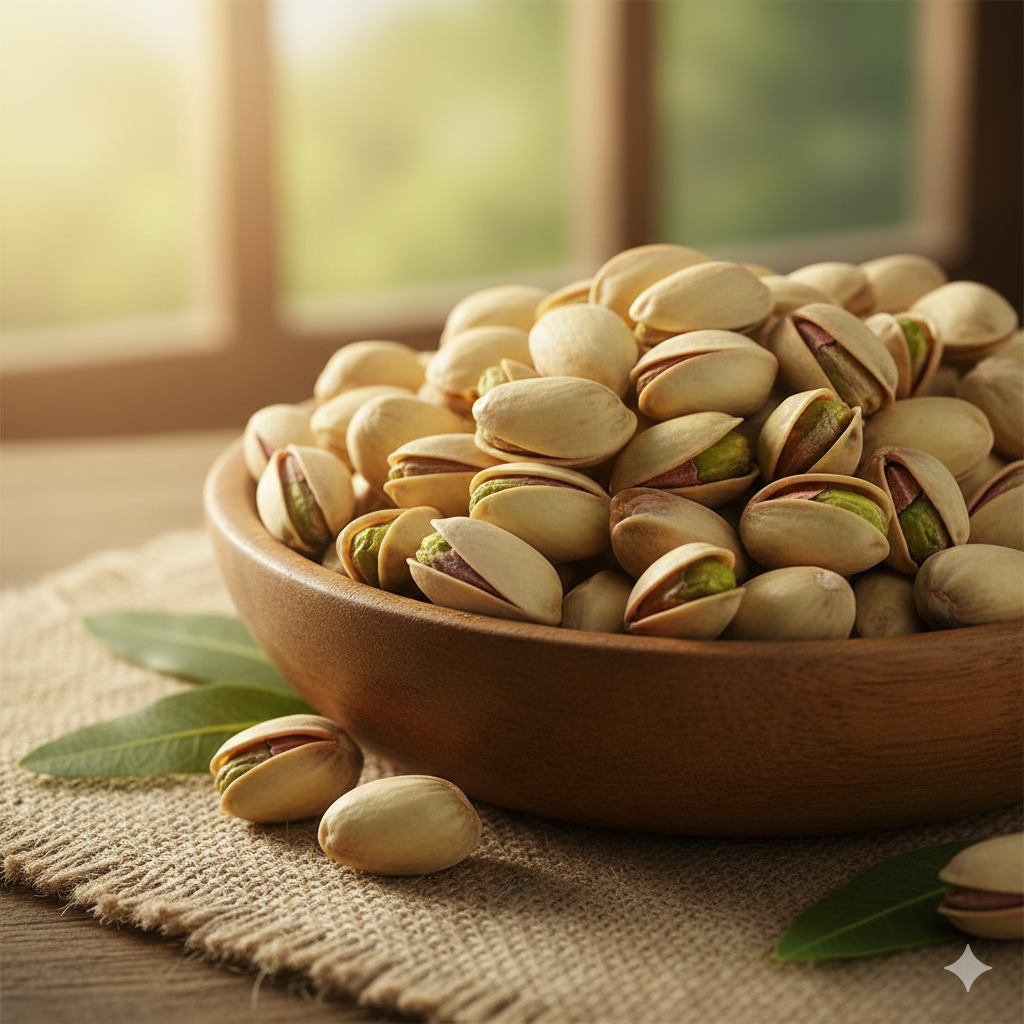
A successful D2C pistachio brand can vividly communicate the story of a specific Iranian garden, the unique terroir of the soil (e.g., Rafsanjan or Damghan), and the grower’s commitment to organic cultivation. This narrative, conveyed through high-quality visuals, short videos, and testimonials from farmers, transforms the product from a mere commodity into an authentic, luxurious experience. This emotional connection is something traditional bulk sales simply cannot replicate.
Conclusion: The Next Evolution of Iranian Pistachio Trade
The D2C model for pistachios is more than a new sales channel; it is a commitment to quality, freshness, and transparency. Brands that successfully integrate robust technology, precise logistics, and compelling digital marketing strategies are poised to capture significant market share, elevating Iranian pistachios from a bulk commodity to a globally recognized premium brand.
For specialized consultation regarding wholesale purchasing, order registration, or any commercial partnership, please contact Mr. Ravanshad via WhatsApp:**
+989214773705