

Author: Mr. Ravanshad
Company: Pistaluxe (Qomes Tejarat Asia)
Introduction: The Hidden Risks in Global Nut Procurement
In the high-stakes world#CleanPistachioButter of food manufacturing, the difference between a premium batch and a costly product recall often lies in a single microscopic factor: Compliance. For B2B buyers of Iranian pistachios, the challenge isn’t just finding the best flavor or color; it’s ensuring that every metric ton meets the stringent safety regulations of the European Union and international food safety bodies.
This guide provides a technical deep-dive into the quality benchmarks that professional procurement officers must demand when sourcing bulk pistachios and their derivatives.
1. The Criticality of Aflatoxin Control (EU Regulation 165/2010)
Aflatoxins are mycotoxins produced by certain molds that can contaminate nuts during growth or storage. For any manufacturer exporting to or operating within the EU, compliance with EU Regulation 165/2010 is non-negotiable.
- The Risk: High aflatoxin levels lead to immediate shipment rejection, legal liabilities, and devastating brand damage.
- The Pistaluxe Standard: We implement a multi-stage moisture control and drying protocol to inhibit mold growth at the source. Every batch undergoes rigorous laboratory testing to ensure levels are well below the maximum permissible limits set by EU authorities.
2. Physical Quality & Grading: Beyond “Good Looking”
In a B2B context, “quality” is a measurable metric. Professional buyers should request Certificate of Analysis (CoA) reports that Wishlistdetail:
- Moisture Content: Essential for shelf-life stability. For whole kernels, moisture should typically be kept below 5-6% to prevent spoilage.
- Kernel Integrity (Grade A vs. Grade B): The ratio of whole kernels to broken pieces (splits) directly impacts the cost-per-unit and the aesthetic value of the final food product.
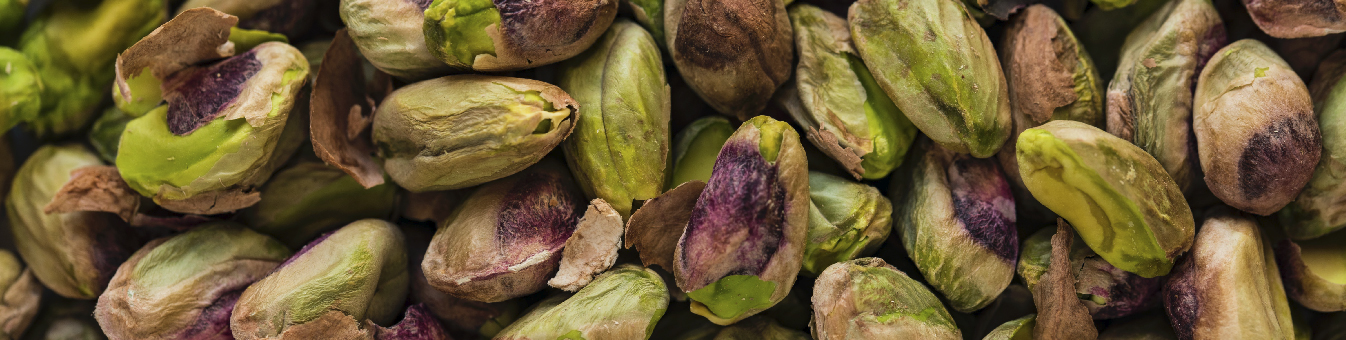
- Color Uniformity: Especially critical for the confectionery industry. A consistent “emerald green” profile is a sign of optimal harvesting and processing.
- Purity & Foreign Matter: TotalWishlist absence of shell fragments, stones, or organic debris is mandatory for automated production lines.

3. Essential Certifications for the Modern Supply Chain
To de-risk your procurement, always verify that your supplier operates under internationally recognized food safety management systems. Look for:
- HACCP (Hazard Analysis and Critical Control Points): The foundational system for identifying and preventing biological, chemical, and physical hazards.
- BRCGS or IFS Compliance: These are the gold standards for global food safety, highly recognized by European retailers and large-scale manufacturers.
- ISO 22000: Demonstrating a systemic approach to food safety management throughout the entire supply chain.
4. Logistics: Preserving Quality from Orchard to Factory
Quality doesn’t end at the warehouse; it continues through the shipping process.
- Atmospheric Control: Using moisture-barrier packaging (like vacuum-sealed heavy-duty liners) prevents oxidative rancidity during long sea voyages.
- Traceability: Modern B2B procurement requires full traceability. You should be able to trace your batch back to the specific harvest period and processing facility.
Conclusion: Making Quality a Competitive Advantage
For manufacturers, quality compliance is not a “cost”—it is an investment in brand integrity and operational continuity. By partnering with suppliers who prioritize rigorous testing and international standards, you transform your supply chain into a pillar of your company’s success.
Partner with Pistaluxe for Uncompromising Quality.
📞 Contact Our Quality Assurance & Export Team
- Direct WhatsApp / Call: +98 921 477 3705
- Professional Email: info@pistaluxe.com
- Official Website: pistaluxe.com