
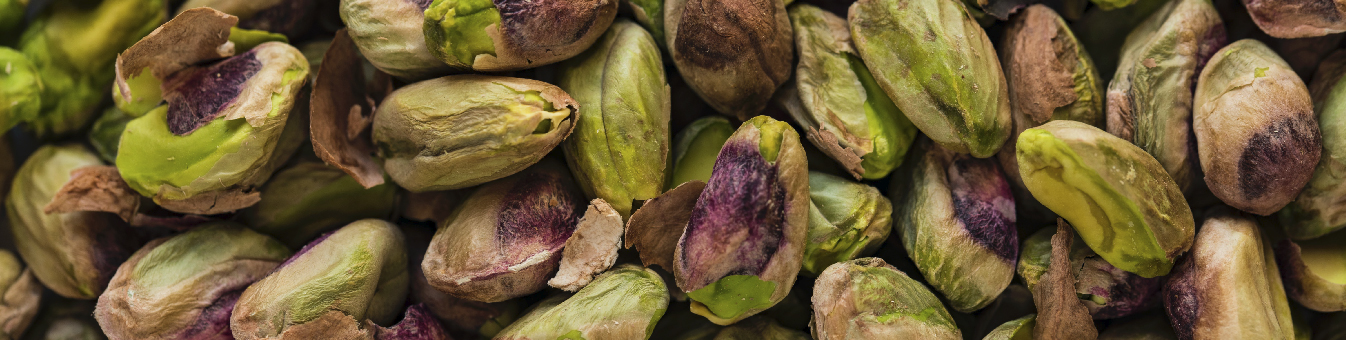

The preservation of pistachios (Pistacia vera L.) during extended maritime or overland transit is a complex challenge involving the management of lipid oxidation, enzymatic activity, and fungal proliferation. This article explores the scientific protocols required to maintain the organoleptic properties and safety standards of pistachios during 30 to 60-day shipping cycles.
- Water Activity (a_w) and Moisture Sorption Isotherms
The primary determinant of pistachio shelf-life is Water Activity (a_w). For long-distance export, pistachios must be dried to a moisture content of 4% to 6%, ensuring an a_w level below 0.70. This threshold is critical because:
- It inhibits the germination of Aspergillus flavus and Aspergillus parasiticus.
- It prevents the biosynthesis of Aflatoxins, which are strictly regulated by the EU and FDA.
- Oxidation and Lipid Degradation
Pistachios contain high concentrations of monounsaturated and polyunsaturated fatty acids. During long transits, exposure to oxygen and heat triggers Autoxidation. This chemical chain reaction leads to the formation of hydroperoxides, resulting in “rancidity.”
- Scientific Mitigation: The use of Modified Atmosphere Packaging (MAP) with 99% Nitrogen (N_2) displacement effectively halts the oxidation process and preserves the chlorophyll content (the green color) of the kernel.
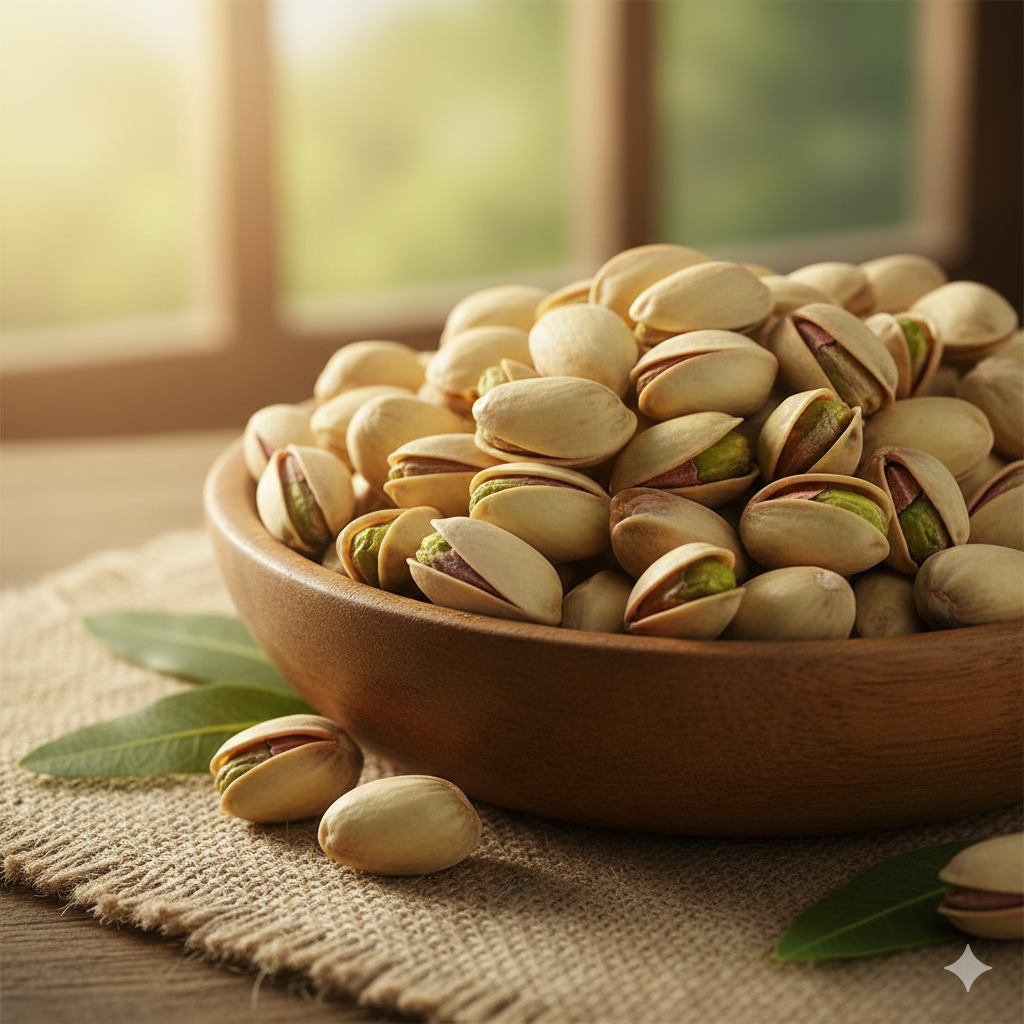
- Integrated Pest Management (IPM) in Transit
To meet international phytosanitary requirements, pistachios must be free from live larvae and insects (e.g., Indian Meal Moth).
- Phosphine Fumigation (PH_3): A standard procedure, but it must be performed with precision to avoid residues exceeding the Maximum Residue Limits (MRLs).
- Controlled Atmosphere (CA): Increasing CO_2 levels above 35% in the container serves as an eco-friendly alternative to chemical fumigants.