
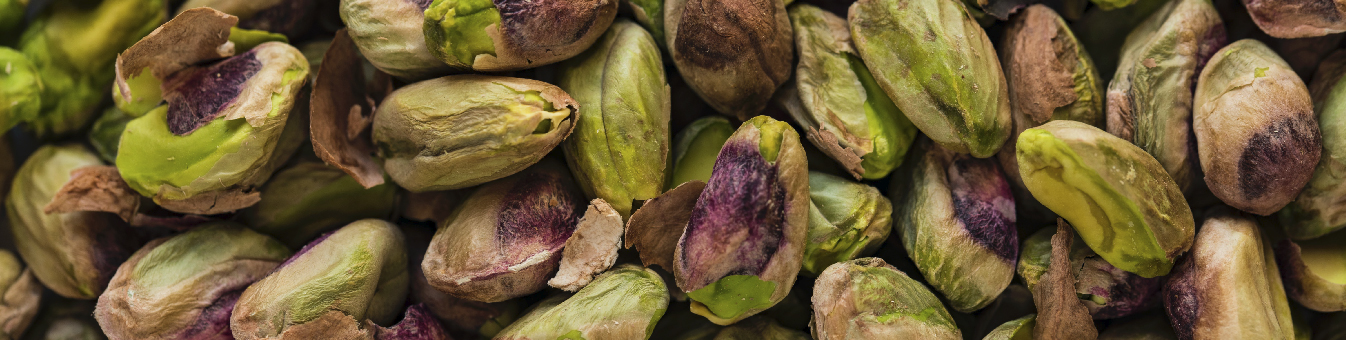

Cultured meat (lab-grown meat) requires a three-dimensional framework, or scaffold, to allow muscle cells to proliferate and differentiate. This article explores the use of electrospun pistachio protein nanofibers as a biodegradable and edible scaffold. The study evaluates cell adhesion, metabolic activity, and the integration of bovine satellite cells onto a pistachio-derived matrix.
The Role of Scaffolds in Cellular Agriculture
For lab-grown meat to achieve the thickness of a steak, cells must grow on a structure that mimics the Extracellular Matrix (ECM). Pistachio proteins, specifically the 11S globulin fraction, possess structural stability that can be harnessed to create porous membranes.
Experimental Design
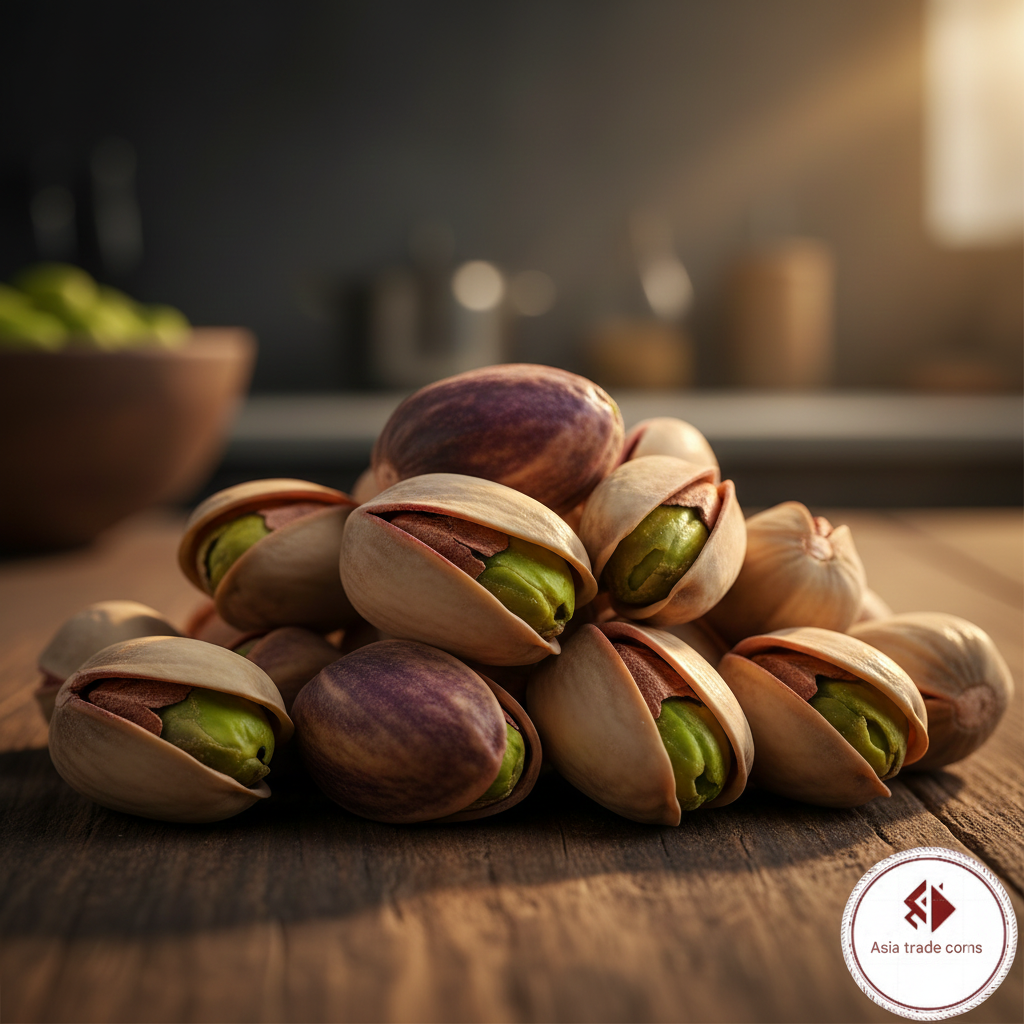
- Nano-Fiber Fabrication: PPI was dissolved in a food-grade solvent and processed via Electrospinning to create fibers with diameters of 500–800 nm.
- Cell Seeding: Bovine myoblasts were seeded onto the pistachio scaffolds.
- Nutrient Absorption: The porosity of the pistachio matrix allowed for the efficient diffusion of oxygen and growth media to the inner cell layers.
Key Findings - Cell Viability: Pistachio protein is rich in L-Arginine, an amino acid that promotes nitric oxide production, essential for vascular-like nutrient transport within the synthetic tissue.
- Biodegradability: The scaffold is 100% edible and is digested at the same rate as the muscle tissue, ensuring no synthetic residue is left in the final product.
- Thermal Stability: The scaffold maintains its integrity during the initial stages of cooking, allowing the “meat” to hold its shape.
Strategic Importance
Using pistachio protein as a biological “scaffolding” agent bridges the gap between plant-based chemistry and cellular biology. For countries like Iran, this technology provides a path to lead the “Meat 2.0” revolution using indigenous agricultural resources.