

The Nexus of Pistachio Cultivation with Culture, History, and Indigenous Knowledge: A Scientific Analysis of Sustainable Desert Agriculture
The cultivation of pistachio in arid and semi-arid regions is a prime example of how indigenous knowledge, historical experience, and environmental adaptation converge. The pistachio tree thrives where few other plants can survive, a success owed to thousands of years of trial-and-error and the transmission of knowledge from one generation to the next. This in-depth, research-focused article concentrates on the ancient techniques and methods of pistachio cultivation, how to manage orchards under water stress, and how to integrate this indigenous wisdom with modern scientific recommendations. Our goal is to provide a comprehensive and practical guide for farmers and researchers in the field of sustainable pistachio farming.
Part I: Scientific Foundations of Ancient Cultivation: Remarkable Adaptability
1.1. Pistachio Tree Physiology: Why Does the Pistachio Thrive in the Desert?
- Drought Resistance: Scientific investigation of the pistachio’s physiological mechanisms for tolerating water scarcity (e.g., deep and efficient root system, reduced leaf surface, and osmotic regulation).
- Salt Tolerance: Explaining the pistachio’s ability for selective ion absorption and its resilience to high soil and water salinity.
- Chill Requirement: The importance of adequate winter cold for breaking dormancy and initiating flowering.
1.2. Selecting the Growing Bed and Soil Preparation in Indigenous Ways - Suitable Lands: Identifying the characteristics of indigenous soils (sandy-loam soils with good drainage) and their importance for root health.
- Traditional Basin Irrigation Method: Reviewing the advantages of traditional basin creation in managing saline water, preventing erosion, and reducing excessive evaporation.
1.3. Ancient Knowledge in Grafting and Propagation: The Secret to High-Quality Cultivars’ Survival - The Importance of Seedling Rootstock: The role of wild species (like Baneh and Chatlanghush) as rootstocks resistant to harsh conditions and soil-borne diseases.
- Budding and Patch Budding Techniques: Detailed and practical description of the pistachio grafting process as the most crucial step in establishing a commercial orchard.
Part II: Irrigation and Nutrition Management in Pistachio Orchards (Approx. 1100 words)
2.1. Water Resource Management Knowledge: From Qanat to Modern Irrigation - Traditional Irrigation Scheduling: Indigenous farmers’ understanding of the pistachio’s water needs during different seasons (especially the kernel filling stage) and adjusting irrigation cycles based on empirical knowledge.
- Transition to Drip Irrigation: Analysis of the pros and cons of shifting from flood irrigation to pressure systems and the management challenges in old orchards.
- Water Quality: Scientific indices of water quality (EC and SAR) and indigenous methods for counteracting the negative effects of saline water.
2.2. Nutritional Program and Soil Amendment: Experience and Science Together - Managing Key Nutrients: Importance and deficiency symptoms of key elements like Zinc (Zn), Iron (Fe), and Nitrogen (N) in the pistachio tree.
- Saline Soil Amendment: Reviewing traditional methods (like soil leaching, adding gypsum, and animal manure) to improve soil texture and reduce salinity.
- Experience-Based Fertilization: The application of animal manure and plant residues at the tree base as a sustainable and organic method.
Part III: Orchard Management and Pest Control
3.1. Management Timing and Orchard Operations: The Indigenous Agronomic Calendar
- Tree Pruning: Objectives of pruning (training, production, and rejuvenation) and the differences between traditional and scientific pruning methods.
- Pollination: The necessity of male trees in the orchard and precise timing for artificial pollination when required.
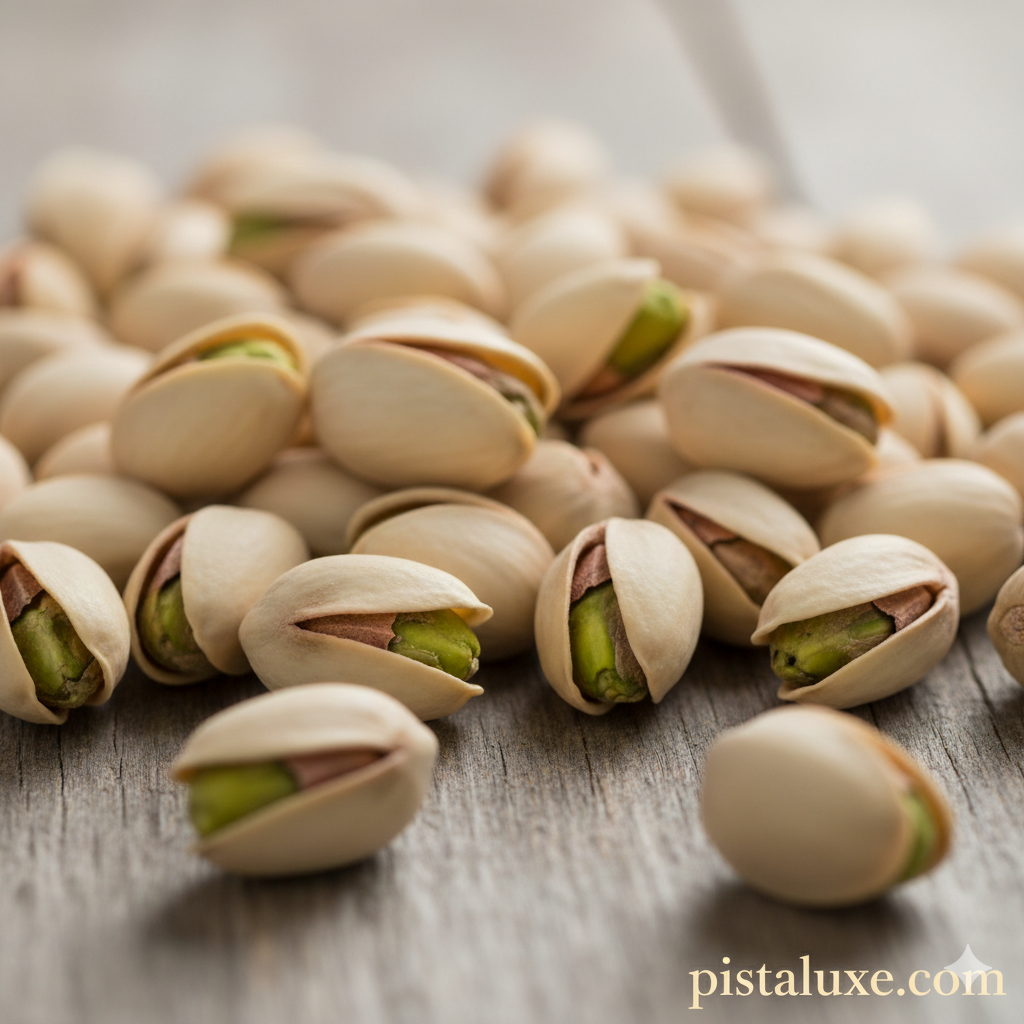
- Harvest Time: Accurate determination of pistachio maturity based on experience (splitting of the outer hull) and its impact on final product quality.
3.2. Pests and Diseases: From Traditional Remedies to Integrated Pest Management (IPM) - Pistachio Psyllid and Pistachio Fruit Wasp: Detailed understanding of the main pests’ biology and indigenous strategies for minimizing damage (like manual collection).
- Gummosis: The dangerous root disease and traditional treatment methods (such as removing diseased tissue and disinfection) alongside modern scientific recommendations.
- Integrated Pest Management (IPM): Combining traditional knowledge of pest control with the targeted use of pesticides and biological agents.
Part IV: Pistachio and Agricultural Economics: A Sustainable Future (Approx. 1000 words)
4.1. Pistachio Economics on Small and Large Scales - Analysis of the costs and benefits of pistachio cultivation (High Input-High Value) and the investment risks in pistachio farming.
- The role of pistachio in rural livelihoods and sustainability: Pistachio as a driver of local economic growth.
4.2. Standardization and Product Processing - Global Standards: Examining quality, hygiene, and Aflatoxin standards required for pistachio export.
- Post-Harvest Processing: Proper methods for drying, shelling, and sorting to preserve the final product’s quality.
4.3. Conclusion: The Intersection of Knowledge and History
Pistachio cultivation is a complex system where every operation is rooted in deep history and indigenous knowledge. The future success of this industry depends on respecting the thousands of years of experience and intelligently applying modern technologies to reduce water consumption and increase yield.
📌 For Purchasing and Registering High-Quality Pistachio Orders
To ensure the purchase of a product grown using ancient knowledge and based on the scientific principles of sustainable farming, you can contact Mr. Ravanshad to register your order and receive consultation on the finest varieties.
Contact for Purchase and Order Registration on WhatsApp: 00989214773705