

- Executive Summary
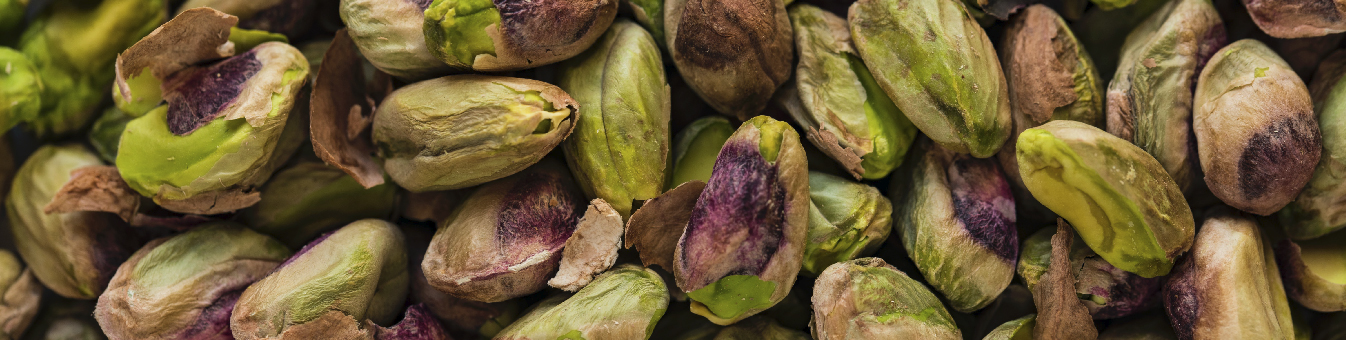
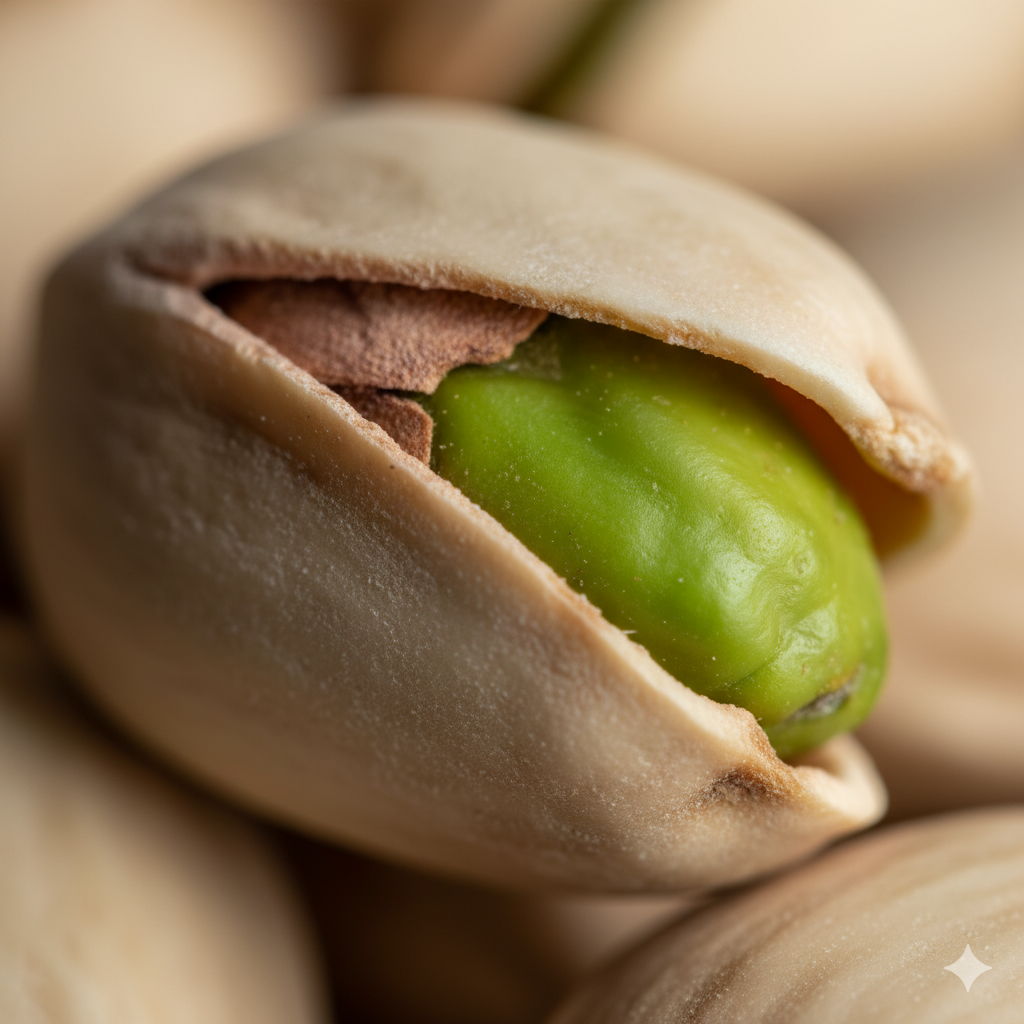
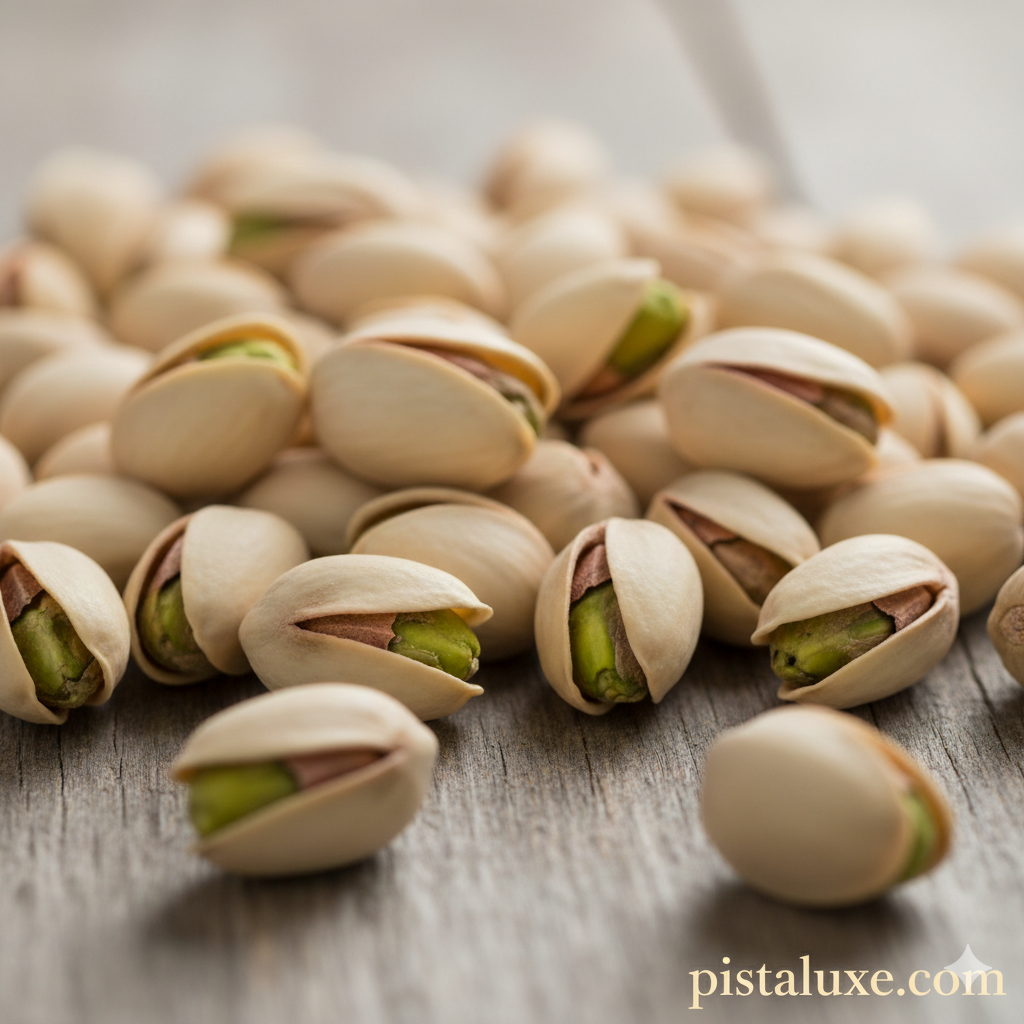
Between 2018 and 2025, a profound shift has occurred in the highest echelons of Iranian pistachio production. More than forty commercial greenhouse and hydroponic facilities, supported by the Iranian Pistachio Research Institute (IPRI) in Rafsanjan, Vali-e-Asr University, and the University of Tehran, have repeatedly demonstrated that pistachios grown under fully or semi-controlled environments are consistently and significantly larger, heavier, more uniform, brighter in shell color, greener in kernel, and almost entirely naturally open compared to even the very best traditional orchards using the same cultivars and rootstocks.
The average size advantage ranges from 12 % to 25 %, with top greenhouse selections of Akbari Super and selected Kalleh Ghouchi lines regularly exceeding 1.85–1.95 g per in-shell nut and occasionally reaching single-nut weights above 2.2 g, figures that are practically unattainable in open-field conditions in Iran, even in the most favoured micro-climates of Rafsanjan, Anar, or Zarand.
2. The Iranian Pistachio Industry in 2025 – A Sector Under Extreme Stress
Iran remains the spiritual home and genetic treasure trove of Pistacia vera, yet the physical reality in 2025 is harsh. Total cultivated area stands at approximately 380,000–400,000 hectares, but prolonged drought, aquifer depletion, soil salinisation, and summer temperatures routinely exceeding 42–45 °C have reduced average yields in many regions to below 400 kg/ha. Export revenue, while still substantial (US$1.1–1.4 billion in 2024–2025), is under constant pressure from competitors who enjoy more reliable water supplies and mechanised harvesting.
3. Historical Development of Greenhouse Pistachio Technology in Iran
Greenhouse use began modestly in the 1990s for mother-block protection and rootstock multiplication. The first experimental fruit-bearing trees under cover were planted around 2011–2013. By 2019 the first commercial harvests were recorded, and between 2021 and 2025 the sector exploded: today more than 1,200 hectares of sophisticated greenhouse space are dedicated to pistachio seedling and mother-plant production, while 120–150 hectares are already in full commercial fruit production using container systems, high tunnels, and a growing number of fully climate-controlled glasshouses.
9. The Road Ahead (2026–2035)
Industry experts and government planners project steady expansion: 500 hectares of commercial fruiting greenhouses by 2028, introduction of true dwarfing rootstocks that will allow densities of 1,500–2,500 trees per hectare, integration of artificial-intelligence climate and nutrition management, and, within a decade, greenhouse-origin pistachios are expected to account for 10–15 % of Iran’s highest-value export volume.
- Final Conclusion
As of December 2025, the evidence from every reputable research institution and commercial grower in Iran is unanimous and overwhelming: greenhouse and hydroponic pistachio cultivation produces nuts that are larger, heavier, more uniform, visually more attractive, and dramatically more valuable than anything achievable in traditional open-field orchards, even under theoretically perfect management.
The future of premium Iranian pistachio is no longer only in the ancient orchards of Rafsanjan and Kerman; it is increasingly under glass and LED light.
For direct orders, farm visits, or verified greenhouse-grown jumbo and super-jumbo pistachios (Akbari Super, Kalleh Ghouchi Jumbo, selected Ahmad Aghaei, Momtaz), contact:
Mr. Ravanshad
WhatsApp / Direct: +98 921 477 3705
- Technical Systems Currently Deployed
Iranian growers now employ a spectrum of protected-cultivation approaches ranging from simple high-tunnel polycarbonate structures with natural ventilation to state-of-the-art Venlo glasshouses with full environmental control. Trees are grown in 200–500 litre containers or bags on inert substrates (perlite–coco mixes) or in genuine hydroponic/aeroponic channels. Drip fertigation with complete nutrient solutions, CO₂ injection to 800–1,200 ppm, inter-canopy LED lighting (red:blue ratios 3:1 to 4:1), evaporative cooling, and biological pest control are now standard in the premium facilities.
5. Cultivars That Shine Under Glass
Certain genotypes respond spectacularly to the controlled environment:
- Akbari Super selections and elite Akbari clones routinely produce nuts of 1.80–1.95 g and higher.
- Special Kalleh Ghouchi Jumbo lines regularly exceed 1.85 g and are prized for their perfectly round shape and heavy weight.
- New Momtaz hybrids (Akbari × Ahmad Aghaei) and carefully selected white-shell Ahmad Aghaei lines also show impressive size gains and extraordinary visual appeal.
6. Why Greenhouse Pistachios Are Dramatically Larger
The size advantage is not accidental; it is the direct result of eliminating almost every stress factor that limits nut growth in traditional orchards:
- Kernel-filling temperatures are kept between 32–36 °C instead of the 42–45 °C that cause shrivelling and abortion in the open field.
- Potassium, zinc, and boron are delivered continuously and precisely via fertigation rather than in sporadic soil applications.
- Elevated CO₂ and supplemental winter lighting extend the effective photosynthetic period and dramatically increase assimilate supply to the developing nuts.
- Pest and disease pressure is virtually eliminated, resulting in almost zero blanks and perfect shell split.
- Growth regulators and root-zone oxygen management further reduce alternate bearing severity by 60–80 %, ensuring consistent high carbohydrate allocation to the crop every year.
7. Water and Resource Efficiency
Greenhouse systems use only 420–620 litres of water per kilogram of dry in-shell pistachio, compared to 1,400–2,200 litres in the best drip-irrigated orchards, a saving of 65–75 %. Nutrient recovery exceeds 85 %, and the virtual absence of pesticide applications produces effectively organic-grade nuts in many facilities.
8. Commercial Performance and Market Reality
While establishment costs are high, the price premium for verified greenhouse-grown jumbo and super-jumbo grades is extraordinary. In 2025, top-quality greenhouse Akbari Super and Kalleh Ghouchi Jumbo regularly achieve FOB prices of US$18–30 per kilogram (sometimes higher for gift-box selections), compared to US$6–9 for standard orchard lots. Payback periods for modern facilities now range from five to eight years, and several pioneering growers have already fully amortised their investment.