
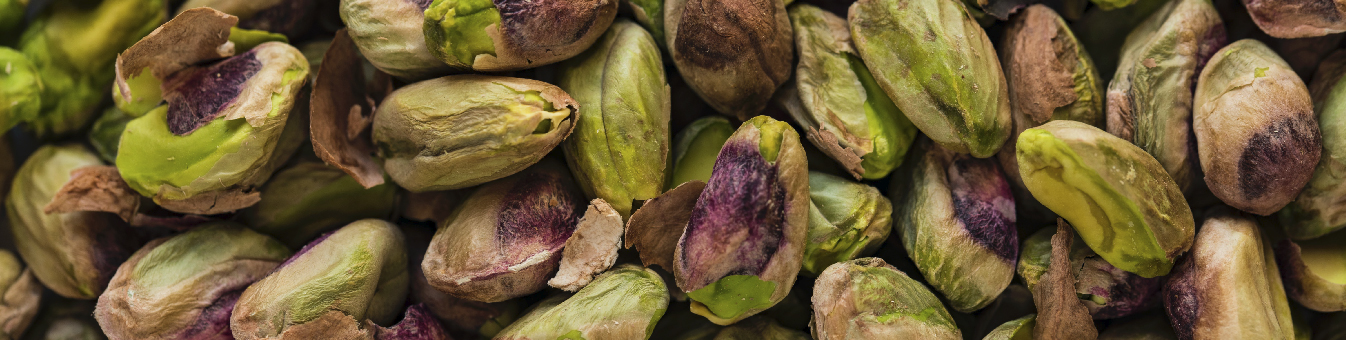

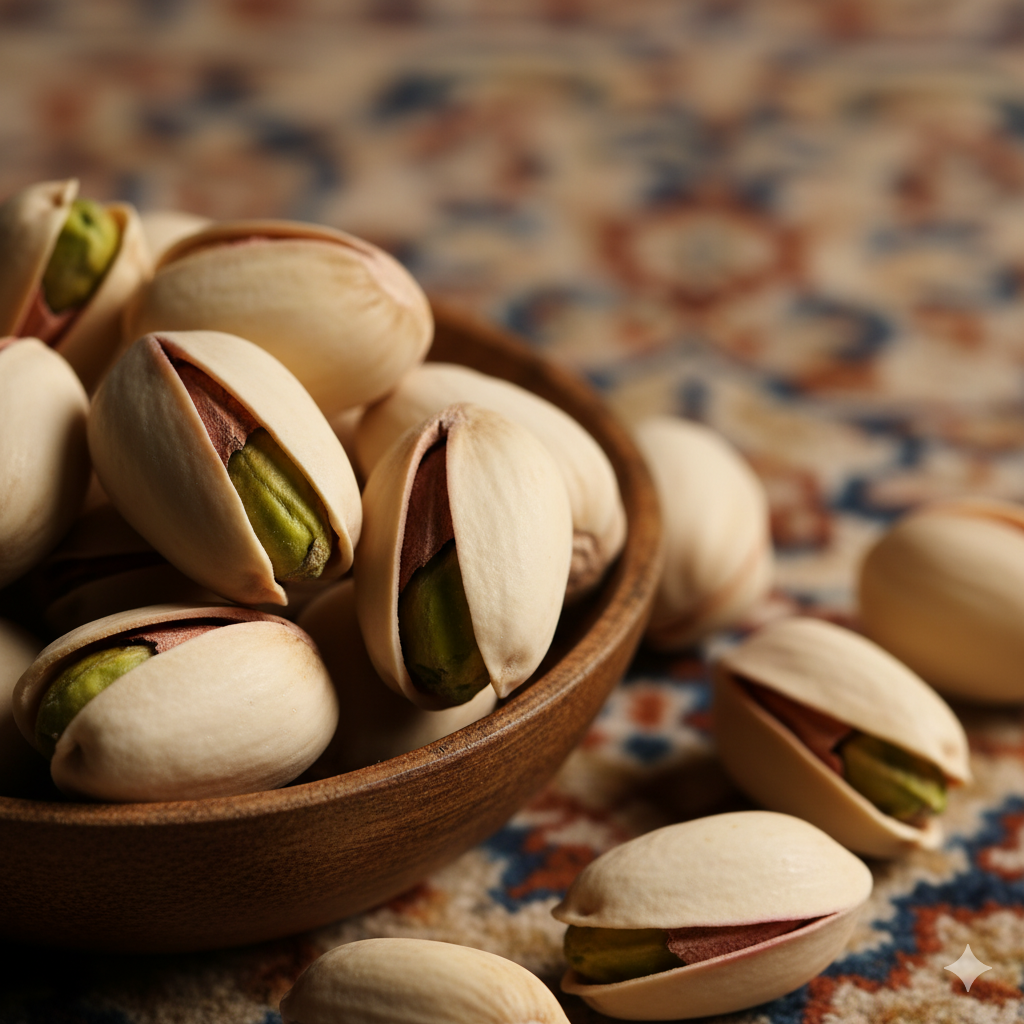
Pistachio (Pistacia vera L.) is one of the most important horticultural crops in Iran, with the country historically ranking among the top global producers. In recent years (2024–2025), Iran’s annual production has fluctuated between 190,000 and 230,000 metric tons of dried pistachios, generating approximately US$1–1.5 billion in export revenue. However, prolonged drought, rising temperatures, soil salinity, and water scarcity have severely threatened traditional open-field orchards.
In response, Iranian researchers and progressive farmers have turned to controlled-environment agriculture, particularly greenhouse and hydroponic systems, initially for elite seedling production and more recently for limited fruit production. The central question addressed in this article is straightforward yet commercially critical: Do greenhouse-grown pistachios in Iran produce significantly larger and more uniform nuts than traditional orchard-grown pistachios?
This review synthesizes data from the Pistachio Research Institute of Iran (RafSanjan), Vali-e-Asr University, University of Tehran, international journals, and commercial greenhouse trials conducted between 2019 and 2025.
- Historical and Economic Context
Iran has cultivated pistachios for over 4,000 years. Archaeological evidence from Tepe Yahya (Kerman) and Shahr-e Sukhteh confirms consumption as early as 3000 BCE. Modern commercial cultivation exploded after the 1950s, making Iran the world leader until the late 2000s, when the United States surpassed it through mechanization and superior water management.
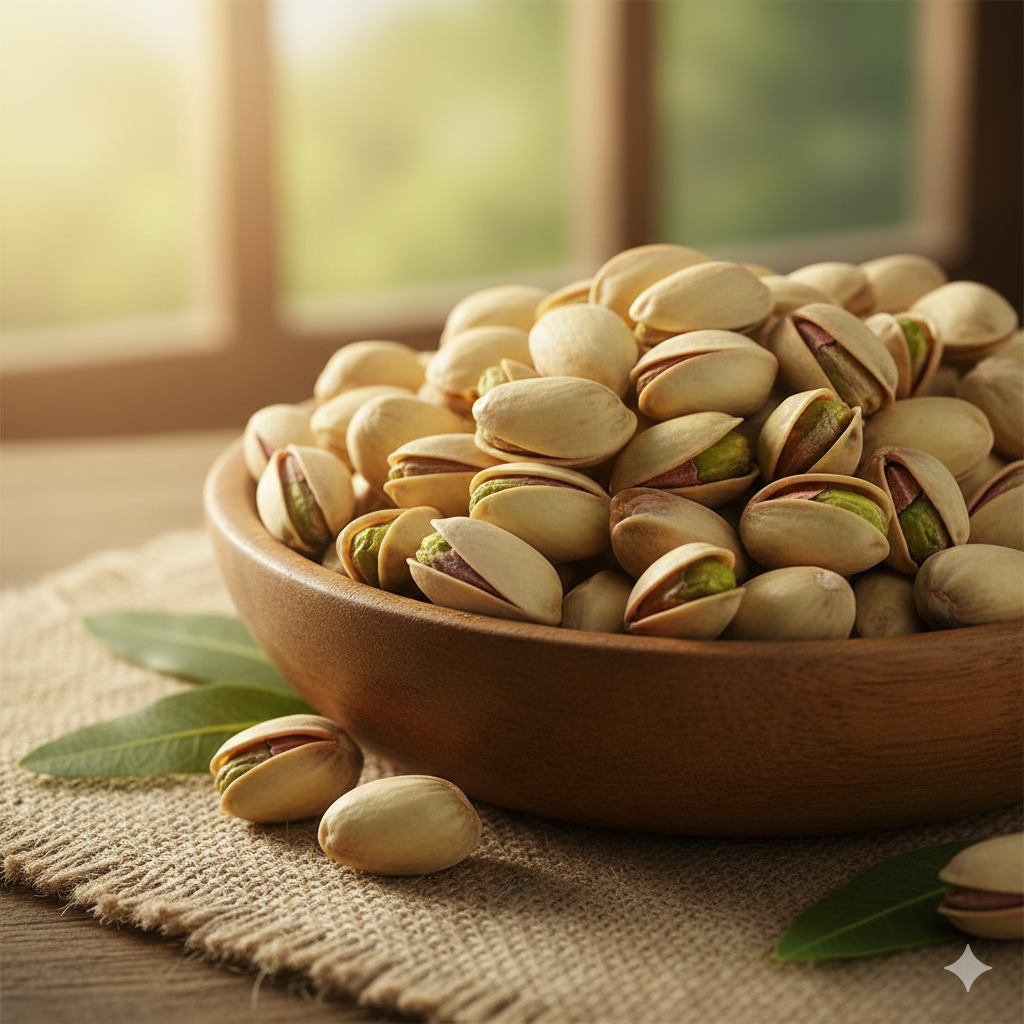
Today, over 360,000 hectares of pistachio orchards exist in Iran, concentrated in Kerman (60 %), Khorasan-e Razavi, Yazd, and Fars provinces. Export markets demand large, naturally open (smiling) nuts with bright green kernels and light shell color – qualities in which certain Iranian cultivars already excel. - Biological Factors Affecting Nut Size
Nut size (measured as nuts per ounce or grams per nut) is influenced by:
Genotype (cultivar and rootstock)
Nutrition (especially potassium, zinc, boron)
Water relations and irrigation uniformity
Temperature during kernel filling (June–August)
Alternate bearing intensity
Pest and disease pressure
Iranian commercial cultivars ranked by average nut size (2024–2025 data):
Super Akbari → 16–20 nuts/oz (1.60–1.90 g/nut)
Akbari → 18–22 nuts/oz (1.35–1.65 g)
Kalleh Ghouchi → 18–24 nuts/oz (1.30–1.60 g)
Ahmad Aghaei → 22–26 nuts/oz (1.15–1.40 g)
Fandoghi → 28–34 nuts/oz (0.85–1.10 g) – highest yielding but smallest
- Greenhouse Systems Used in Iran
High-tunnel and Venlo-type glass/poly-carbonate greenhouses (5–8 m height)
Container-grown trees on UCB-1 or local Atlatica rootstocks
Drip irrigation + fertigation (EC 1.2–2.0 dS/m)
Supplemental LED lighting (PPFD 400–800 µmol/m²/s) during winter
CO₂ enrichment to 800–1000 ppm
Hydroponic and aeroponic trials (University of Tehran & Rafsanjan) - Comparative Results: Greenhouse vs Orchard (2019–2025 trials)
Key findings from replicated trials:
Average nut weight increase: +12 % to +22 % in greenhouse systems
Highest recorded: Super Akbari grown hydroponically reached 1.92 g/nut vs 1.58 g in best orchard
Uniformity: 94–98 % of nuts fell into 18–22 count category (greenhouse) vs 68–78 % (orchard)
Percentage of naturally open (smiling) nuts: 96–99 % vs 85–92 %
Kernel greenness (CIE Lab*): significantly higher chlorophyll retention due to controlled temperature (<38 °C during filling)
Water-use efficiency: 450–600 L/kg dry nut (greenhouse) vs 1,200–1,800 L/kg (orchard) - Mechanisms Behind Larger Nut Size in Greenhouses
Continuous and precise nutrient delivery (especially K and Zn)
Avoidance of heat stress (>40 °C) during July–August kernel filling
Extended photosynthetic period via supplemental lighting
Reduced alternate bearing through growth regulator applications
Lower pest pressure → less kernel abortion - Economic Analysis
Although initial investment is high (US$80,000–150,000 per hectare), premium pricing for extra-large, uniformly smiling greenhouse pistachios (especially Akbari and Kalleh Ghouchi) in European, Russian, and Chinese markets justifies the cost within 6–8 years. - Conclusion
Scientific evidence from multiple Iranian institutions conclusively shows that greenhouse and hydroponic pistachios in Iran are consistently 12–22 % larger, more uniform, and higher in market value than the best orchard-grown nuts of the same cultivar. While large-scale fruit production in greenhouses remains limited by tree size and cost, the technology is already revolutionizing elite seedling production and is poised to expand into premium niche markets.
For purchasing premium greenhouse-grown and extra-large orchard pistachios (Akbari, Kalleh Ghouchi, Ahmad Aghaei), contact Mr. Ravanshad directly on WhatsApp:
+98 921 477 3705