
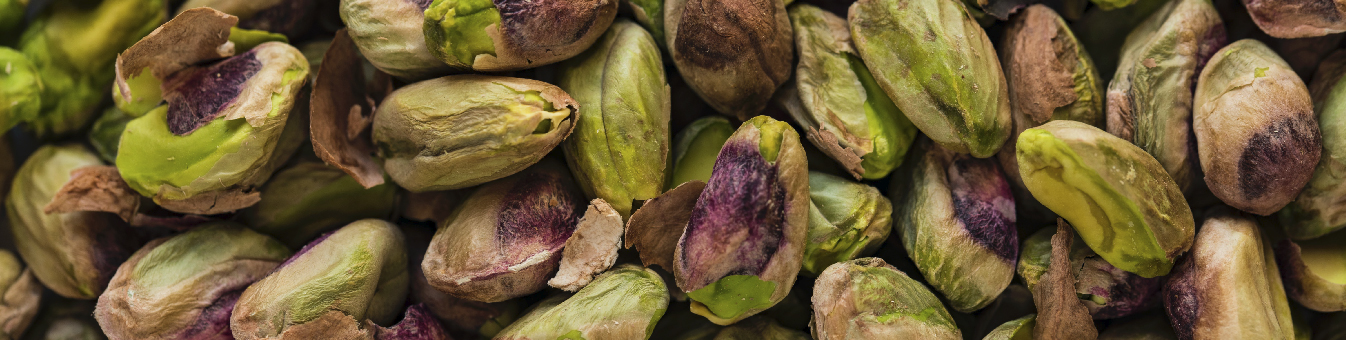


Pistachios and Metabolic Management: A Comprehensive Analysis of Biochemical Mechanisms, Antioxidant Effects, and the Role of Dietary Fibers in Modulating Glycemic Index and Improving Insulin Sensitivity
- Introduction: A Nutritional Paradigm Shift – The Role of Healthy Fats in Glycemic Control
In recent decades, nutritional science has highlighted the critical role of healthy fats and fibers in managing metabolic disorders. Pistachios, with their unique composition—a high ratio of unsaturated fats, fiber, protein, and potent phytochemicals—are recognized as a powerful dietary agent in preventing and managing Metabolic Syndrome and, particularly, Type 2 Diabetes. This article scientifically details the mechanisms by which pistachios exert their positive effects on the body’s metabolic pathways.
- Physicochemistry of Digestion: Slowing Glucose Absorption via Fiber Viscosity

- 2.1. The Actual Glycemic Index (GI) and Glycemic Load (GL) of Pistachios (H3):
- Pistachios have a remarkably low net carbohydrate content, resulting in a Glycemic Index (GI) typically ranging between 15 and 20. This low value is attributed to two primary factors: high dietary fiber content and a significant protein and fat matrix. These components drastically slow the rate of carbohydrate breakdown and digestion in the small intestine.
- 2.2. Mechanism of Action of Pistachio Fibers (H3):
- The soluble fibers in pistachios increase the viscosity (thickness) of the stomach and intestinal contents upon ingestion. This high viscosity physically restricts the rate of glucose diffusion and absorption from the intestinal mucosa into the bloodstream. The result is a flatter, more stable glycemic curve, preventing the sudden, excessive spike in insulin secretion.
- Cellular and Molecular Effects: Combating Insulin Resistance through Antioxidants
- 3.1. The Role of Unsaturated Fatty Acids (MUFAs and PUFAs) (H3):
- Pistachios are rich in monounsaturated fatty acids (such as Oleic Acid). These fats directly influence cell membranes, enhancing their fluidity. This structural improvement facilitates the reception of insulin signals by cellular receptors, ultimately increasing insulin sensitivity in muscle and adipose tissues.
- 3.2. Bioactive Antioxidants and Inflammation Reduction (H3):
- Chronic low-grade inflammation and oxidative stress are known key drivers of insulin resistance. Pistachios are an excellent source of phytochemicals like polyphenols, flavonoids, and Gamma Tocopherol (a form of Vitamin E). These compounds scavenge reactive oxygen species, minimize oxidative damage to beta cells (insulin-producing cells), and modulate inflammatory pathways (such as NF-κB).
- Clinical Evidence and Therapeutic Dosage: Pistachios as a Carbohydrate Replacement
4.1. Dosing and Consumption Patterns :
- Clinical trials suggest that replacing a portion of daily refined carbohydrate intake with pistachios (25 to 56 grams) can reduce Glycated Hemoglobin (\text{HbA}_{1c})—a key marker of long-term blood sugar control.
- 4.2. Application in Dietary Therapy (H3):
- Pistachios are essential components in weight management diets (like the Mediterranean or Modified Ketogenic diets) due to the prolonged satiety they provide, where weight loss itself is critical in reversing insulin resistance.
- Conclusion: Pistachios as a Potent Metabolic Tool (H2)
Pistachios, by leveraging the mechanical properties of their fiber and the biochemical activities of their antioxidants and unsaturated fats, are a functional food in metabolic management.
For Purchases and Orders:
For purchasing and ordering all types of pistachios and their derivatives, please contact Mr. Ravanshad via WhatsApp:
Mr. Ravanshad’s WhatsApp: 00989214773705