
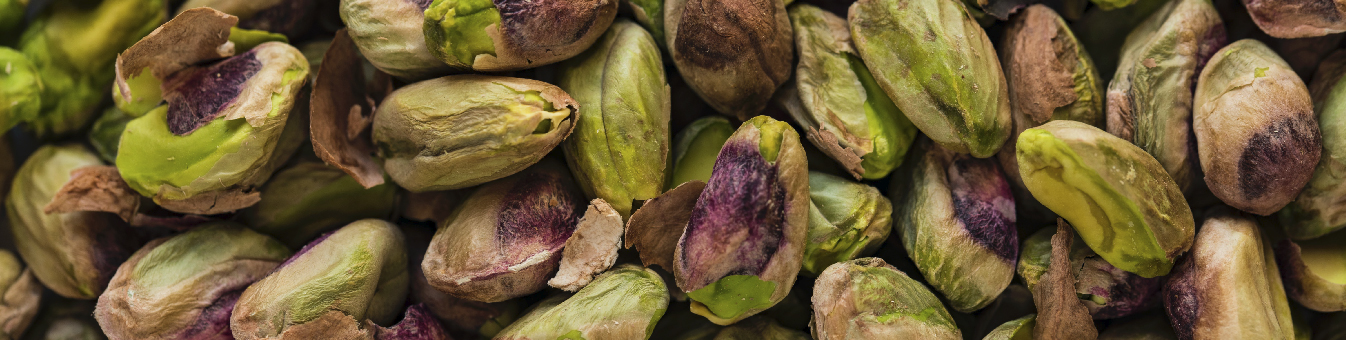

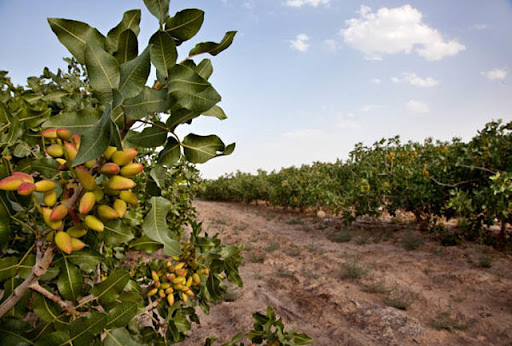
The traditional textile supply chain faces immense sustainability pressures. This paper delves into the material engineering and green chemistry aspects of transforming Pistachio Shell (Pistachio Hull), a globally abundant agricultural waste, into sustainable textile fibers. Given Iran’s significant pistachio production, utilizing this lignocellulosic bio-material presents an enormous opportunity for a Pistachio Circular Economy. Our research focuses on the detailed chemical composition of the husk, particularly its cellulose content, and optimizing extraction methods using Green Solvents (such as Deep Eutectic Solvents – DES). The goal is to establish a scalable, low-cost process for producing nano/micro-fibers with mechanical and thermal properties competitive with conventional fibers. The findings underscore the critical role of Pistachio Shell Textile production in advancing Sustainable Fashion Pistachio initiatives.
- Introduction: The Agricultural Waste Challenge and Material Engineering Solutions
The vast amounts of agricultural by-products generated yearly pose an environmental burden. Pistachio processing yields significant quantities of hard woody shells, which are currently underutilized. While conventional uses exist (e.g., fuel), their true added value lies in extracting high-value compounds. This study aims to provide a technical review of the parameters affecting fiber quality and demonstrate how Green Chemistry principles can be applied to facilitate Pistachio Husk Fabric Production seamlessly and sustainably. - Comprehensive Bio-material Analysis of Pistachio Husk
2.1. Chemical Composition and Lignocellulosic Structure:
Pistachio shell is a rich lignocellulosic material, typically composed of 30-45% cellulose, 20-30% hemicellulose, and 15-25% lignin. The high lignin content necessitates an efficient pre-treatment to separate pure cellulose for subsequent spinning. The presence of tannins and anthocyanins also suggests a dual potential for fiber material and natural dyeing agents.
2.2. Microscopic Structure and Preliminary Mechanical Properties:
Scanning Electron Microscopy (SEM) analysis reveals that the cellulosic fibers within the husk are arranged in dense, fibrillated bundles. The inherent structural rigidity and hardness of these husks indicate excellent potential for producing high-strength, durable textile fibers, placing them as strong contenders for future Bio-materials in Fashion. - Engineering Methodology for Fiber Extraction
To ensure high-quality fiber production from Pistachio Waste Utilization, environmentally benign methods are paramount:
- Steam Explosion Pretreatment: This is a physico-chemical technique that uses high temperature and pressure to disrupt the crystalline structure of the lignocellulose, thereby increasing the accessibility of cellulose to solvents or enzymes in downstream processes. This significantly reduces the energy and chemical requirements.
- Deep Eutectic Solvents (DESs): DESs are utilized as safe, low-cost, and biodegradable alternatives to hazardous organic solvents. Choline chloride/urea-based DESs can selectively dissolve lignin, yielding high-purity cellulose pulp suitable for spinning processes (e.g., viscose or lyocell derivatives). The core chemical step for delignification can be represented as:
- Technical Challenges and Industrial Scalability Solutions
Achieving uniformity in the length and diameter of the fibers during industrial scale-up presents a major challenge. Precise control of spinning parameters, such as polymer concentration and flow rate, is essential for optimizing fiber quality. Furthermore, for both economic and environmental sustainability, effective recovery and reuse of DESs must be integrated into the process design. The final Pistachio Shell Textile products must undergo rigorous testing for hand-feel, breathability, and durability to ensure their suitability for high-end or specialized apparel. This focus on industrial viability is key to the success of Innovation in Sustainable Textiles. - Conclusion and Future Outlook
The transformation of Pistachio Shell into textile fibers is a successful paradigm shift linking material engineering with agricultural waste management. Continued research aimed at optimizing the DES-based extraction process and increasing extraction efficiency will position these novel fibers as a major component in the global Sustainable Fashion movement.
📞 For purchasing and placing orders for innovative research-grade fibers and fabrics from pistachio shells, please contact Mr. Ravanshad on WhatsApp:
WhatsApp Contact Number: 00989214773705