
Pistachios: Iran’s “Green Gold” and a Strategic Tool in Economic Diplomacy (Geo-Economic Analysis)
This paper offers a comprehensive analysis of the geoeconomic potential of Iranian pistachios as a strategic commodity within the framework of economic diplomacy. The research methodology combines quantitative data analysis (export statistics, market share, and global price fluctuations from 2010–2024) with qualitative geopolitical analysis (examining competitor policies, particularly the US and Turkey). Findings reveal that despite the superior quality of Iranian pistachios, its market share is under pressure due to logistical challenges, sanctions, and instability in standardization (Aflatoxin control). We propose the establishment of centralized export consortiums, investment in Standardization Diplomacy (HACCP/ISO), and utilizing indirect trade channels to mitigate geopolitical hurdles. This strategy aims to activate pistachios as a potent soft economic lever in bilateral and multilateral negotiations.
Introduction
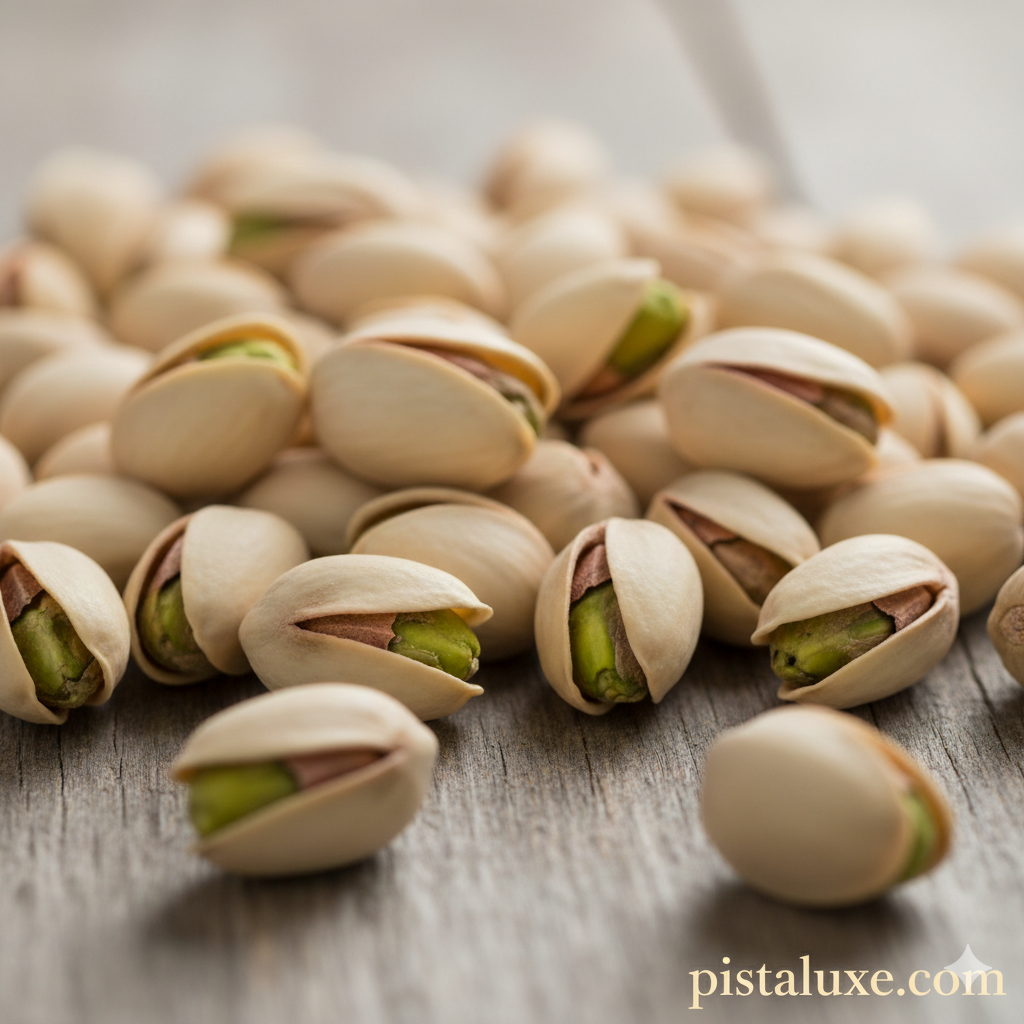
Culinary Diplomacy has evolved beyond a mere cultural tool into a strategic economic approach for modifying trade and political relationships. Iranian pistachios, globally recognized as the “Persian Pistachio” due to their unique flavor, color, and size (e.g., Akbari, Kalleh-Ghoochi), represent one of Iran’s most vital non-oil commodities. This paper proceeds from the hypothesis that pistachios, owing to their economic and symbolic value, possess the potential to become an economic soft weapon, and explores the operational mechanisms required to realize this potential.
Key Analytical Sections
- The Geoeconomic Stature of Pistachios in Global Markets:
- Structural Competition: Comparative analysis of US pistachio farming models (industrial and consolidated) versus Iranian models (traditional and fragmented), and its impact on cost-efficiency and competitiveness.
- The Sanctions Effect: Analysis of how sanctions and tariffs increase logistical and intermediary costs, eroding the profit margins of Iranian exporters.
- Standardization Diplomacy and Product Integrity:
- Aflatoxin as a Non-Tariff Barrier (NTB): Examining how certain nations leverage stringent Aflatoxin limits as an NTB to control or restrict imports of Iranian pistachios.
- Strategic Solution: The necessity of implementing stringent HACCP protocols throughout the processing and packaging stages to ensure product safety, crucial for penetrating sensitive markets like the EU and Japan.
- Pistachios as Leverage in Trade Negotiations:
- In dealings with nations heavily reliant on Iranian pistachios (e.g., East Asia, specific Arab states), the product can serve as a potent trade bargaining chip in exchange for customs concessions or financial facilities, making the pistachio a silent ambassador of economic power.
Conclusion and Strategic Recommendations
The pistachio is a commodity with high intrinsic value and immense geoeconomic potential. Transforming this potential into an operational “soft weapon” necessitates centralized, institutional decisions at the governmental level to address standardization, logistics, and global competitive management challenges. Smart policy-making can elevate the standing of the Iranian pistachio from a mere export commodity to a strategic asset in economic diplomacy.