
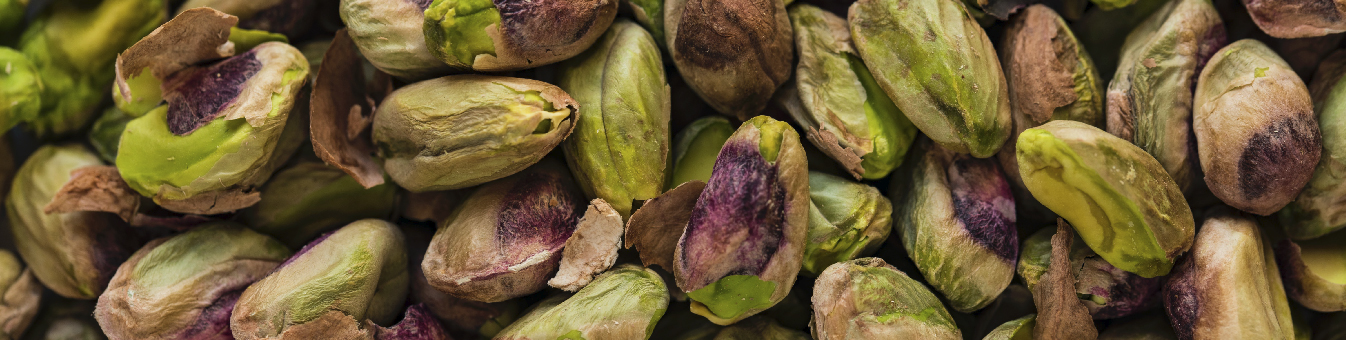


Pistachio, the Silent Superhero: Evaluating the Adaptive and Nutritional Capacity of Pistacia vera L. for Agricultural Ecosystem Sustainability and Future Food Security
📞 Contact for Purchase and Ordering:
For high-quality pistachio purchase and ordering, and professional consultation, please contact Mr. Ravanshad: 00989214773705
Detailed Scientific-Research Article Structure (IMRAD)
- Abstract (\approx 250 words)
- Aim: To comprehensively assess the strategic role of the pistachio tree as a “silent superhero” in mitigating global climate and nutritional challenges.
- Methodology: A synopsis of the research approach (e.g., field experiments on physiological stress markers and meta-analysis of nutritional data).
- Key Findings: Summary of the most significant results (e.g., superior physiological indices of Pistacia vera L. under water/salt stress compared to reference crops, or the exceptional concentration of specific micronutrients).
- Conclusion: The final assertion regarding the importance of pistachios as a strategic crop for arid and semi-arid regions.
- Keywords: (The 6 SEO keywords listed above).
- Introduction

- Problem Statement & Significance: Detailing the escalating global challenges of food security, climate change (drought, soil salinity), and the urgent need for resilient and nutrient-dense crops.
- Pistachio’s Position: Introducing Pistacia vera L. as a highly resilient perennial crop with deep historical roots and inherent stress tolerance.
- Study Limitations: Acknowledging the constraints of the research and suggesting directions for future studies.
- Conclusion
- A strong, evidence-based summary paragraph confirming the essential role of pistachio as a “Silent Superhero” for a resilient and nutritious food future.
- References
- Complete and standard citation of all literature used (e.g., APA or Vancouver style).
- Literature Review: A brief review of prior research on pistachio resistance and nutritional composition, highlighting the research gap in assessing its holistic contribution to future food security models.
- Research Objectives:
- To evaluate the yield and key physiological indicators of pistachio cultivars under different environmental stresses.
- To comparatively analyze the pistachio nutritional profile with other major nuts and oilseeds.
- To propose a strategic model for expanding pistachio cultivation in drylands to ensure sustainable food supplies.
- Hypotheses: Stating testable hypotheses (e.g., Pistachio’s salt tolerance is primarily mediated by specific mechanisms of sodium exclusion and proline accumulation).
- Materials and Methods
- Study Design: (e.g., Field study, controlled environment experiment, or modeling/meta-data analysis).
- Data Collection & Measurement:
- Agricultural/Adaptive Section: Description of the studied cultivars, geographical location, environmental conditions (soil and water parameters), and methods for applying stress (e.g., levels of irrigation water salinity).
- Nutritional Section: Sampling and preparation methods for pistachio kernels, and laboratory techniques used to determine protein, fats (including Omega-3 and Omega-6 fatty acids), fiber, vitamins, and antioxidants.
- Analytical Techniques:
- Physiological Indices: Measurement of leaf water potential, transpiration rate, relative water content, and chlorophyll content.
- Chemical Analysis: Utilizing advanced methods like High-Performance Liquid Chromatography (HPLC) or Mass Spectrometry for precise compound quantification.
- Statistical Analysis: Description of the statistical software (e.g., SPSS, R, SAS), experimental design (e.g., Completely Randomized Block Design), and statistical tests (ANOVA, Regression).
- Results
- Adaptive Findings: Presentation of data in tables and figures:
- Comparison of pistachio survival, growth, and yield across different drought and salinity levels.
- Statistical interpretation of physiological markers and tolerance mechanisms.
- Nutritional Findings:
- Table detailing the content of macronutrients (protein, fat, fiber) and key micronutrients (Iron, Zinc, Vitamin E) in pistachios, compared to benchmark food sources.
- Results of antioxidant analysis (e.g., polyphenols) and antioxidant capacity (ORAC, \text{DPPH}).
- Discussion
- Interpretation of Findings: Analyzing and interpreting the results in relation to the research objectives and hypotheses.
- Comparison with Previous Research: Justifying or refuting the results against established literature.
- Practical Implications: Discussing how these findings can be used to inform agricultural and nutritional policies:
- Sustainability: Emphasizing pistachio’s potential for cultivation in marginal and low-yielding lands.
- Food Security: Elucidating its role in enhancing the quality of the global food basket due to its superior nutritional profile.