

Scientific Abstract (Executive Summary):
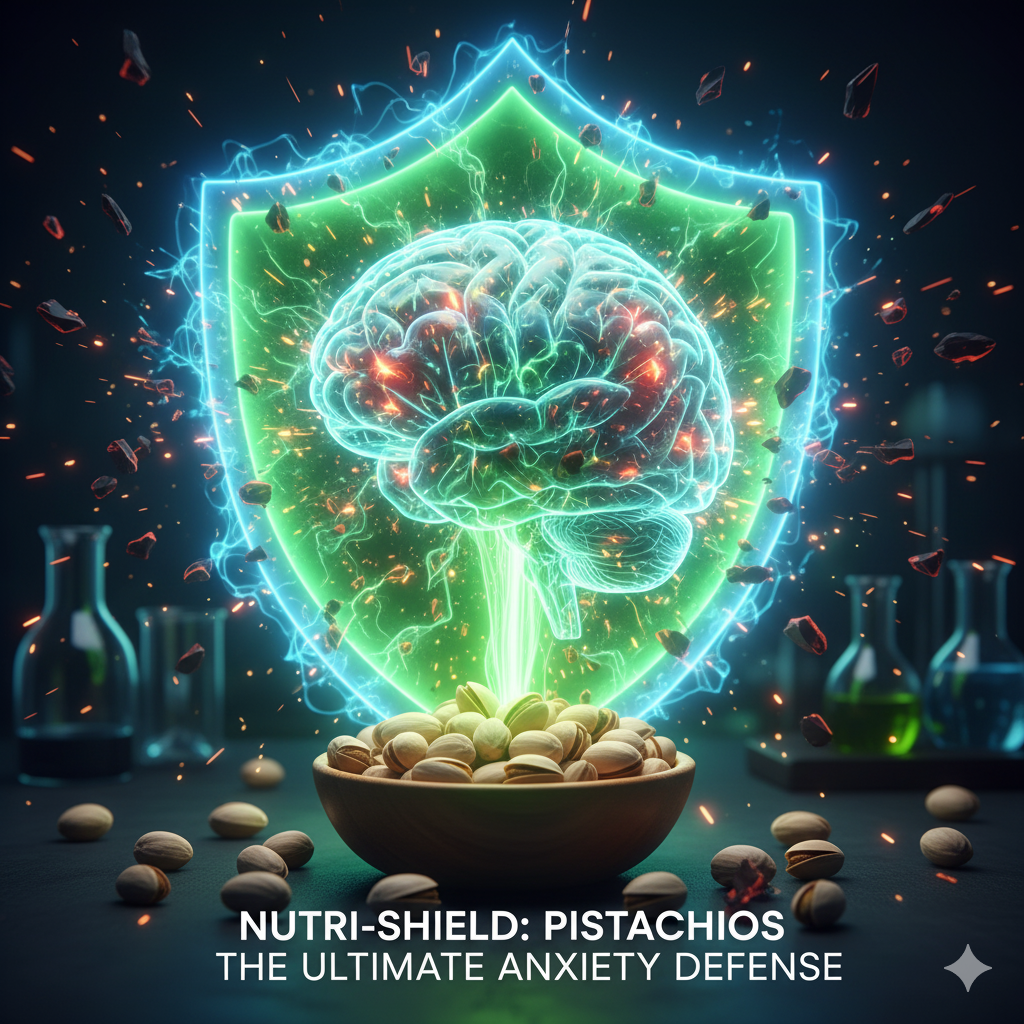
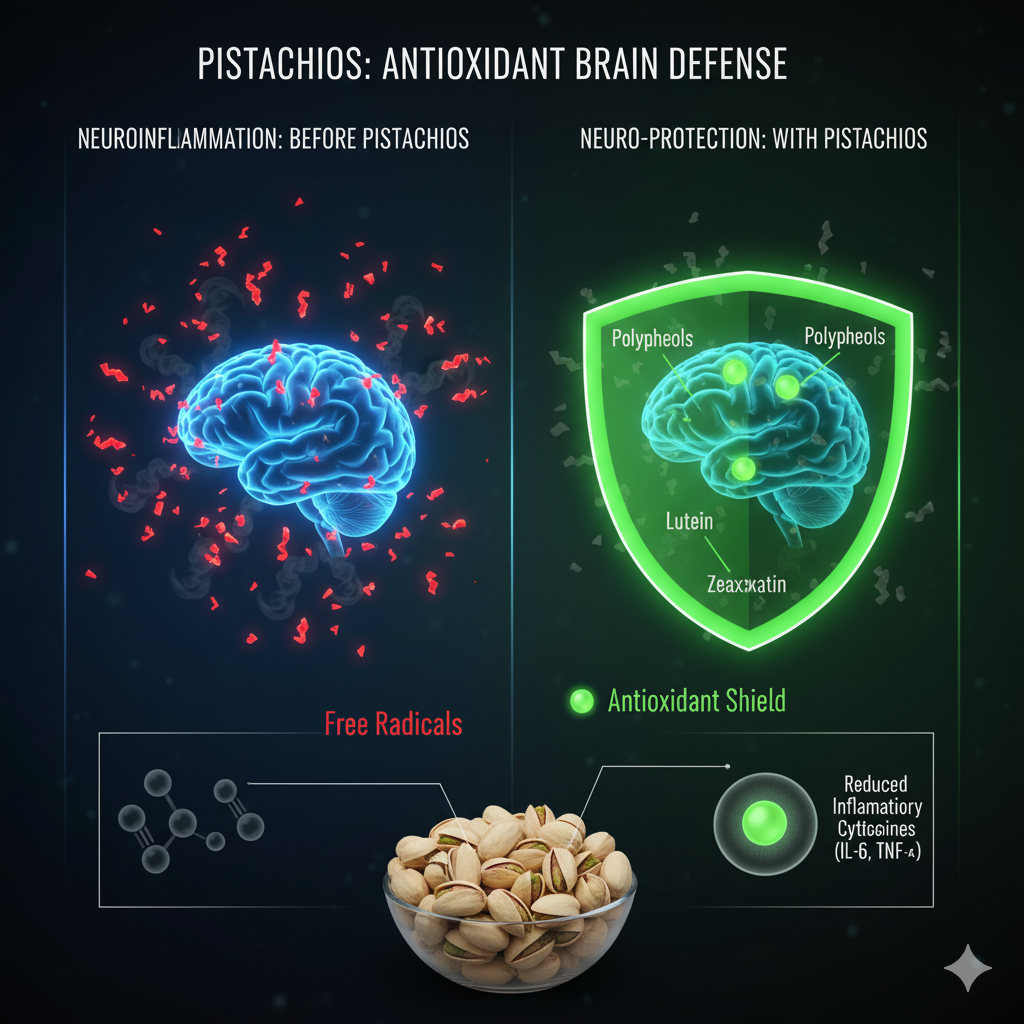
In the face of modern stress, natural dietary interventions for mood management have gained prominence. This research paper provides an in-depth analysis of the biochemical mechanisms by which pistachios (Pistacia vera) regulate neurotransmitters and hormones linked to happiness and tranquility. Evidence suggests that pistachios are not merely a nutritious snack but a potent nutritional agent, supplying crucial precursors and co-factors essential for the synthesis of key mood regulators like Serotonin and Dopamine, while also mitigating the inflammatory responses associated with chronic stress.
📄 Comprehensive Content Structure (Expanded Length):
A. Introduction: The Neurochemical Foundation of Mood

- Defining the Goal: Introduction of “Nut Therapy” as a targeted dietary approach.
- The Big Three: Detailed explanation of the function of the “Happiness Hormones”—Serotonin (stability), Dopamine (motivation/reward), and Endorphins (pain relief).
- The Pistachio Advantage: Establishing the rationale for focusing on pistachios due to their unique, brain-supportive nutrient profile.
B. The Pistachio Nutritional Profile: Essential Cofactors for Neurotransmitter Synthesis - Tryptophan: The Direct Serotonin Precursor:
- Quantifying the Tryptophan content in pistachios.
- In-depth look at the metabolic pathway from Tryptophan \rightarrow 5-HTP \rightarrow Serotonin (5-HT), emphasizing its role in mood stability, sleep regulation, and appetite control.
- Vitamin B6 (Pyridoxine): The Master Catalyst:
- Scientific Focus: Elaborate on Vitamin B6’s absolute necessity as an enzymatic cofactor in the decarboxylation steps required to convert precursors into active neurotransmitters (both Serotonin and Dopamine). (High Scientific Weight)
- Its importance in energy metabolism and preventing mental fatigue
Tyrosine and Phenylalanine: Fueling Motivation:
- Exploring these amino acids as the precursors for the Catecholamines (Dopamine, Norepinephrine, and Epinephrine) and their impact on focus, energy, and the reward system.
C. Pistachios and HPA Axis Regulation: The Stress Management Link - Modulating the Hypothalamic-Pituitary-Adrenal (HPA) Axis: Scientific explanation of the body’s primary stress response system and the role of the HPA axis in releasing Cortisol (the primary stress hormone).
- Evidence of Cortisol Reduction: Reviewing clinical trials that demonstrate the consumption of pistachios can dampen the peak Cortisol response during high-stress scenarios, leading to better cardiovascular recovery (e.g., heart rate variability and blood pressure).
- Mineral Calming Effect: Detailed focus on Magnesium’s role in regulating the body’s stress response. Specifically, how it acts as an NMDA receptor blocker and enhances the activity of GABA (the main inhibitory, calming neurotransmitter in the CNS).
D. Secondary Bioactive Effects on Mood and Cognition - Low Glycemic Index (GI): Explanation of how the low GI of pistachios prevents rapid blood sugar spikes and crashes, which are known triggers for irritability and mood swings.
- The Gut-Brain Axis Connection: Discussing the role of pistachio fiber in promoting a healthy gut microbiome, which is crucial since approximately 90% of the body’s Serotonin is produced in the gut.
E. Conclusion, Dosage, and Future Research - Synthesizing the Evidence: Reaffirming pistachios as an evidence-based component of a stress-reducing and mood-enhancing diet.
- Recommended Therapeutic Dosage: Suggesting an optimal daily intake (e.g., 1-1.5 ounces) based on observed clinical benefits.
- Call for Future Research: Encouraging studies on long-term effects on clinical anxiety and depression markers.