

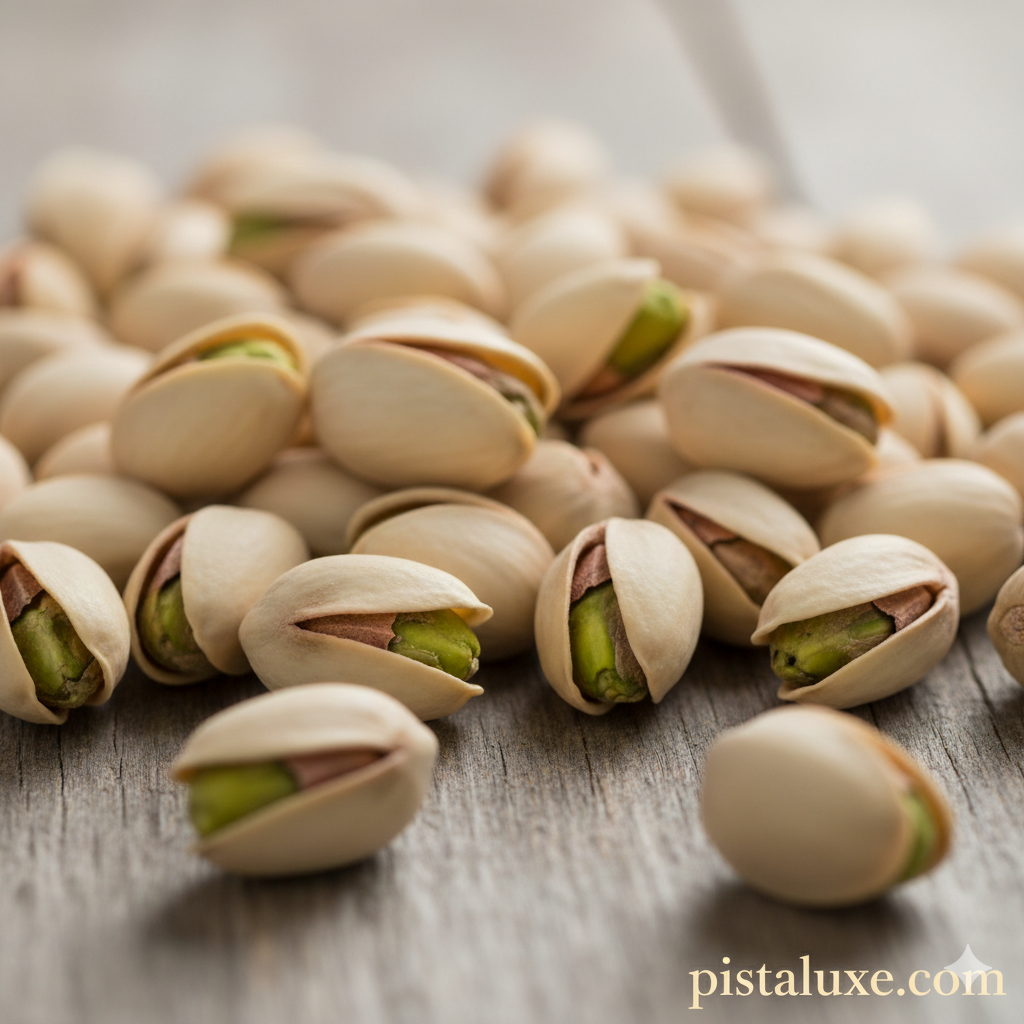
Technical Specifications, Trade Economics, and Supply ChainThis article targets buyers, importers, and industry analysts, focusing on measurable technical specifications and economic benefits that make Iranian pistachios a compelling choice for global trade.I. Introduction: Deciphering Pistachio Trade Metrics (H2) * H3: Why Technical Specs Trump Appearance * Explain that in bulk purchasing, the final product value is determined by quantifiable metrics, not just aesthetics. Introduce the key indicators: Kernel-to-Shell Ratio and Ounce (Count per Ounce).
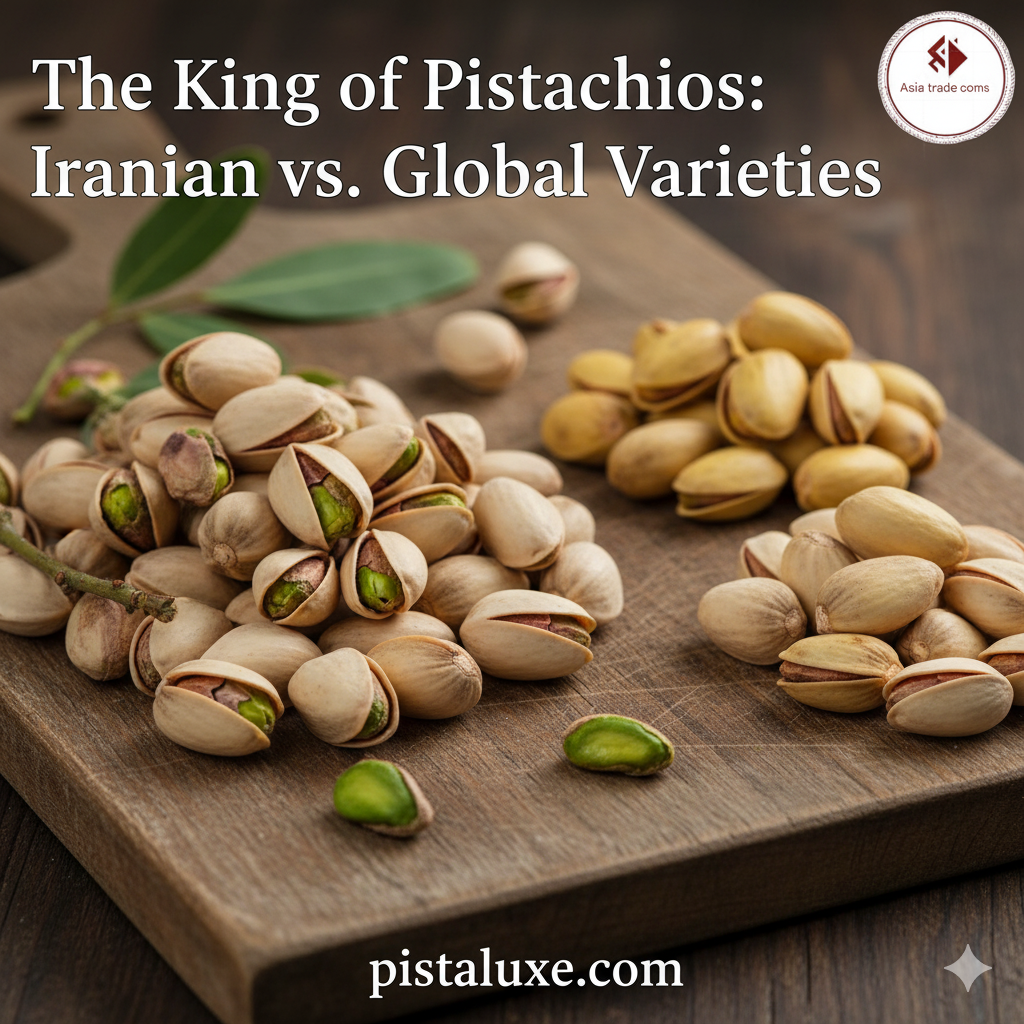
Core Economic Advantage: Kernel Yield (H2) * H3: The Kernel-to-Shell Ratio: Maximizing Edible Product * Provide a detailed explanation: Iranian pistachios generally have a higher percentage of edible kernel per unit of weight compared to many competitors. This means importers get more actual nut meat for their investment, leading to a significantly better net social profitability and lower final cost per kernel. * H3: Understanding Ounce and Count Uniformity * Define the “Ounce” concept. While US pistachios often prioritize high uniformity in a few counts, Iranian varieties offer a wider range, including desirable long (long-shape) varieties like Akbari and Ahmad Aghaei that are visually and structurally premium.III. Health, Safety, and Global Compliance
Navigating Aflatoxin Standards in Export * Address the critical issue of Aflatoxin (AFs) contamination. Detail the strict, internationally compliant monitoring and sorting systems in Iran’s modern processing plants, ensuring that export consignments meet the stringent safety standards of sensitive markets like the EU. Acknowledge past challenges but emphasize current, robust quality control measures. * H3: Low Percentage of Blanks and Unsplits * Discuss the impact of climate on yield. Due to favorable growing conditions (despite water stress), Iranian farms traditionally yield a lower percentage of “blank” (empty) and “unsplit” nuts, reducing processing waste and improving overall batch quality for the buyer.IV. Trade and Cultivation Practices (H2) * H3: The Advantage of Genetic Diversity for Market Demand
Reinforce how the 90+ Iranian cultivars allow exporters to fulfill specific market needs, from the Jumbo Kaleh Ghouchi for snacking to the high-yield Fandoghi for processing. This diversity is a major competitive differentiator. * H3: Traditional Farming vs. Industrial Mechanization * Briefly contrast the largely traditional farming methods in Iran with the highly mechanized operations in the US. The Iranian method, while facing some yield challenges, is often cited by purists for contributing to the unique, intense flavor profile sought by premium buyers.V. Conclusion: Investment in Quality and Yield