
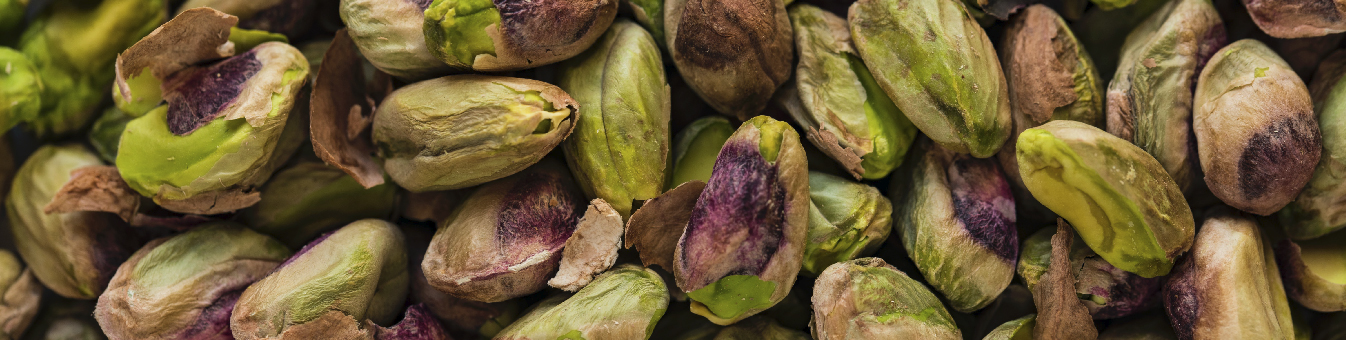

Beyond the Shell: 10 Expert Techniques to Guarantee Fresh, High-Quality Pistachios**
Author: Mr. Ravanshad
Introduction
Choosing the right pistachios is more than a culinary preference; it’s a smart investment. Whether you’re stocking your pantry for personal enjoyment, supplying a retail store, or sourcing for a commercial kitchen, knowing these ten expert techniques will empower you to make informed decisions and avoid subpar products.
1. The Weight and “Rattle” Test: Assessing Kernel Fill
Fresh, high-quality pistachios have a satisfying density. When you hold a handful and gently shake them near your ear, listen for the sound of the kernel. If you hear a distinct rattling or excessive movement of the kernel inside the shell, it often indicates that the kernel is small, shriveled, or simply not filling the shell cavity completely. A premium pistachio should feel dense, with the kernel occupying most of the internal space.
2. Deciphering Kernel Color: A Sign of Freshness
The color of the pistachio kernel is a direct indicator of its Beyond the Shell: 10 Expert Techniques to Guarantee Fresh, High-Quality Pistachios**
Author: Mr. Ravanshad
Introduction
Choosing the right pistachios is more than a culinary preference; it’s a smart investment. Whether you’re stocking your pantry for personal enjoyment, supplying a retail store, or sourcing for a commercial kitchen, knowing these ten expert techniques will empower you to make informed decisions and avoid subpar products.
1. The Weight and “Rattle” Test: Assessing Kernel Fill
Fresh, high-quality pistachios have a satisfying density. When you hold a handful and gently shake them near your ear, listen for the sound of the kernel. If you hear a distinct rattling or excessive movement of the kernel inside the shell, it often indicates that the kernel is small, shriveled, or simply not filling the shell cavity completely. A premium pistachio should feel dense, with the kernel occupying most of the internal space.
2. Deciphering Kernel Color: A Sign of Freshness
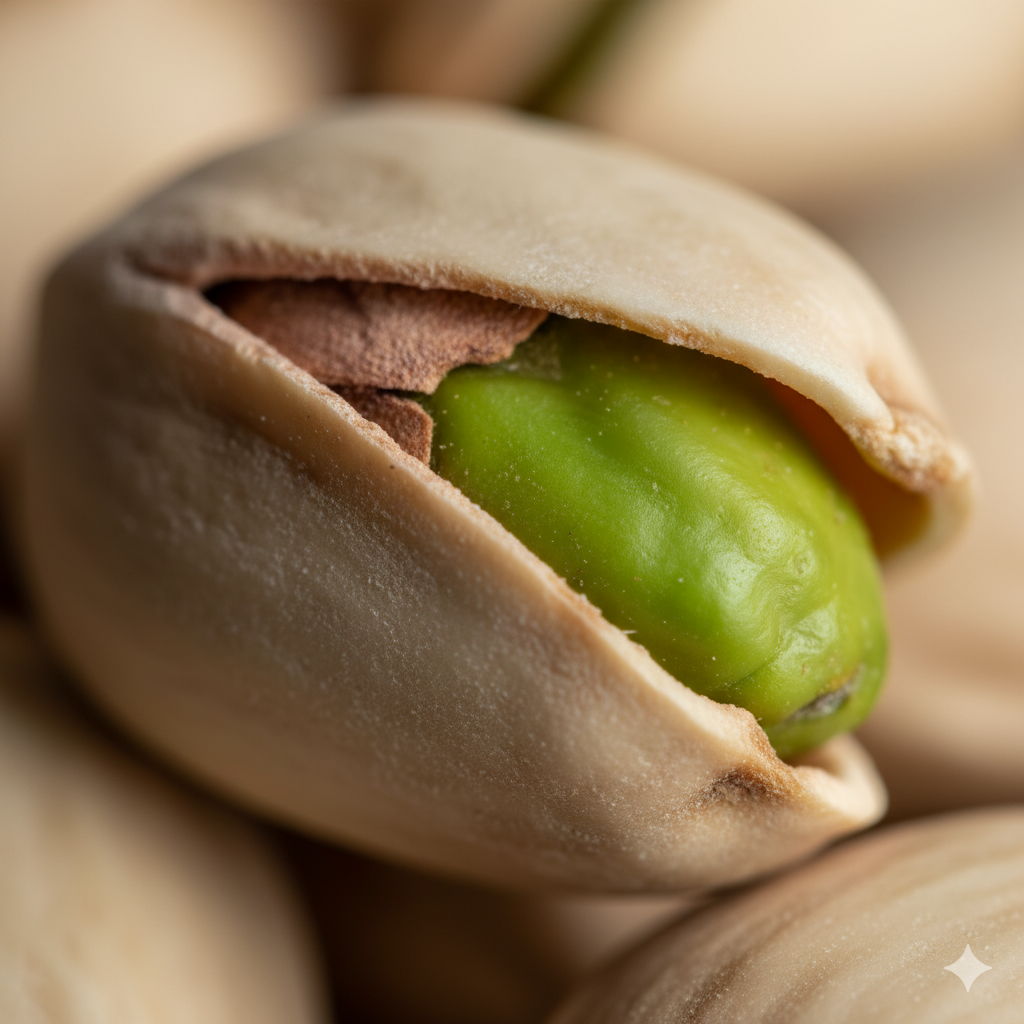
The color of the pistachio kernel is a direct indicator of its freshness and the time of harvest. A vibrant green hue signifies a recently harvested, high-quality nut from the current season. As the color transitions towards yellow or brown, it suggests that the pistachios are older, have been exposed to improper storage conditions, or have begun to oxidize, diminishing their desirability and flavor.
3. Distinguishing Natural vs. Mechanically Opened Nuts
A common method to check for natural opening is by gently squeezing the shell. Pistachios that open easily when pressed may have been mechanically split, often through a process called “water-opening” or thermal shocking. Naturally opened pistachios, split due to the kernel’s growth pressure, are generally considered superior and are more resistant to manual compression.
4. Inspecting for Black Spots: A Crucial Health Alert
The presence of black spots on the pistachio’s stony shell is a critical warning sign. These spots often indicate excess moisture during the post-harvest drying or storage phases. Such moisture creates an ideal environment for mold growth, which can lead to spoilage and, more seriously, the development of harmful aflatoxins. Thorough inspection for these blemishes is essential.
5. The Olfactory and Gustatory Test: Detecting Oxidation and Spoilage
The natural oils (fatty acids) in pistachio kernels are susceptible to oxidation when exposed to air. Stale pistachios may emit an unpleasant odor reminiscent of old paint, oil, or even a slightly pungent, rancid smell. Fresh pistachios, on the other hand, offer a delicate, clean, nutty aroma. Similarly, tasting a small sample can reveal off-flavors like bitterness, metallic notes, or an earthy taste, all indicative of spoilage or contamination.
6. Examining for Insect Pests
Carefully inspect the shells for any tiny holes or bore marks. These are tell-tale signs of insect infestation, such as the pistachio moth (Pectinophora gossypiella). Even small holes can indicate the presence of eggs or larvae, potentially contaminating the entire batch.
7. Spotting Artificial Coloring
Some unscrupulous sellers might use artificial dyes to enhance the visual appeal of pistachios, masking imperfections or achieving an unnaturally uniform color. To check for this, gently rub a slightly damp cloth or paper towel on the pistachio shell. If any color transfers to the cloth, it indicates the use of artificial coloring agents, which is undesirable and often prohibited in export markets.
8. Assessing Kernel Texture: Crispness is Key
A fresh pistachio kernel should have a satisfying crisp texture when bitten into. If the kernel feels soft, chewy, or has a rubbery consistency, it signifies that the moisture content is too high. This condition not only affects the texture but also accelerates spoilage and reduces shelf life.
9. Evaluating Batch Uniformity (Sorting Quality)
In high-quality pistachios, especially those intended for export, the batch should exhibit remarkable uniformity in size, shape, and opening. The presence of a significant number of broken shells, un的是, or oddly shaped nuts suggests a lack of care during the processing, handling, and sorting stages.
10. Inquiring About Storage Conditions: The Cold Chain Matters
Always ask your supplier about the storage conditions. High-quality pistachios should be stored in cool, dry environments, ideally below 10°C (50°F) in temperature-controlled warehouses or cold storage. Traditional, warm storage facilities are detrimental to pistachio freshness and longevity, leading to rapid quality degradation.
Contact Us for Your Export Needs
Are you seeking to source premium, export-grade pistachios directly from the source? For real-time price inquiries, access to laboratory analysis reports, and expert consultation on bulk order placements, please feel free to connect directly with our sales team via WhatsApp:
Mr. Ravanshad
WhatsApp Contact: 00989214773705
We are prepared to ship worldwide with the utmost care in packaging and logistics. and the time of harvest. A vibrant green hue signifies a recently harvested, high-quality nut from the current season. As the color transitions towards yellow or brown, it suggests that the pistachios are older, have been exposed to improper storage conditions, or have begun to oxidize, diminishing their desirability and flavor.