

The intensive cultivation of pistachios (Pistacia vera) necessitates the use of various agrochemicals to combat pests like the “Pistachio Psyllid.” This article examines the biochemical impact of long-term pesticide exposure on the health of farmworkers, focusing on systemic toxicity and chronic physiological alterations.
- Routes of Chemical Entry and Absorption
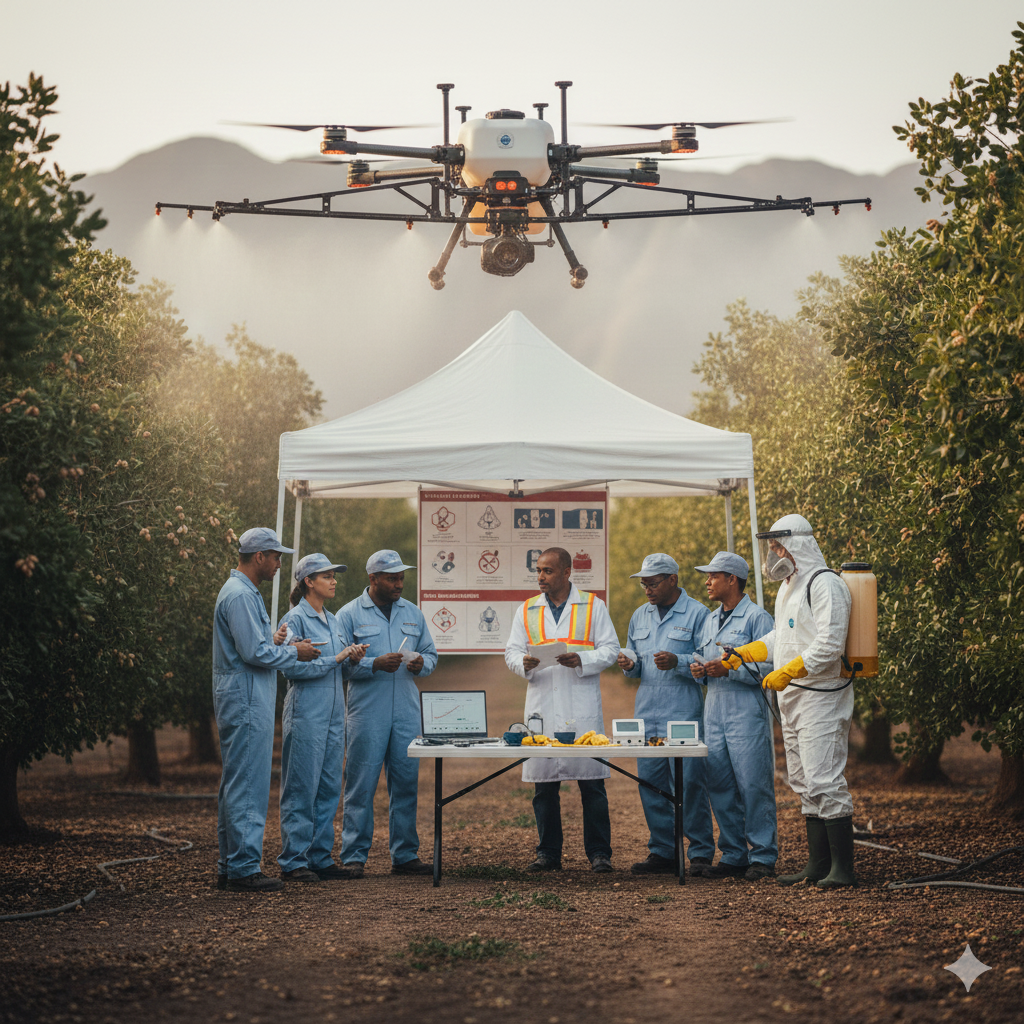
Agricultural workers in pistachio orchards are primarily exposed to hazardous compounds through three main pathways:
- Dermal Absorption: This is the most prevalent route. Pesticides often come into contact with the skin during mixing, loading, and application. Factors such as high temperatures and sweating in orchards significantly increase the rate of percutaneous absorption.
- Respiratory Inhalation: Fine mist and aerosol particles generated during high-pressure spraying can reach the deep alveolar regions of the lungs, entering the bloodstream almost instantly.
- Accidental Ingestion: This occurs due to poor hygiene practices, such as eating or smoking with contaminated hands.
- Neurotoxicity and Cholinesterase Inhibition
Most pesticides used in pistachio farming belong to the Organophosphate and Carbamate classes. These chemicals act as potent inhibitors of the enzyme Acetylcholinesterase (AChE).> Mr. Ravanshad> 📱 Phone & WhatsApp: +989214773705> Click the link above to chat directly on WhatsApp for orders or technical support.
- Acute Effects: Workers may experience miosis (pinpoint pupils), excessive salivation, muscle tremors, and respiratory distress.
- Chronic Effects: Prolonged exposure at low doses is linked to “Organophosphate-Induced Delayed Polyneuropathy” (OPIDP), characterized by numbness, loss of coordination, and cognitive decline.
- Long-term Pathological Risks
Recent epidemiological studies suggest a correlation between chronic pesticide exposure and oxidative stress. This can lead to:
- Hepatotoxicity: Elevated liver enzymes indicating chemical-induced liver strain.
- Genotoxicity: Potential DNA damage in peripheral blood lymphocytes, which may increase the risk of long-term oncological conditions.
Mr. Ravanshad
📱 Phone & WhatsApp: +989214773705
Click the link above to chat directly on WhatsApp for orders or technical support.